Blog
Why Is My Roof Sagging? Causes and Next Steps
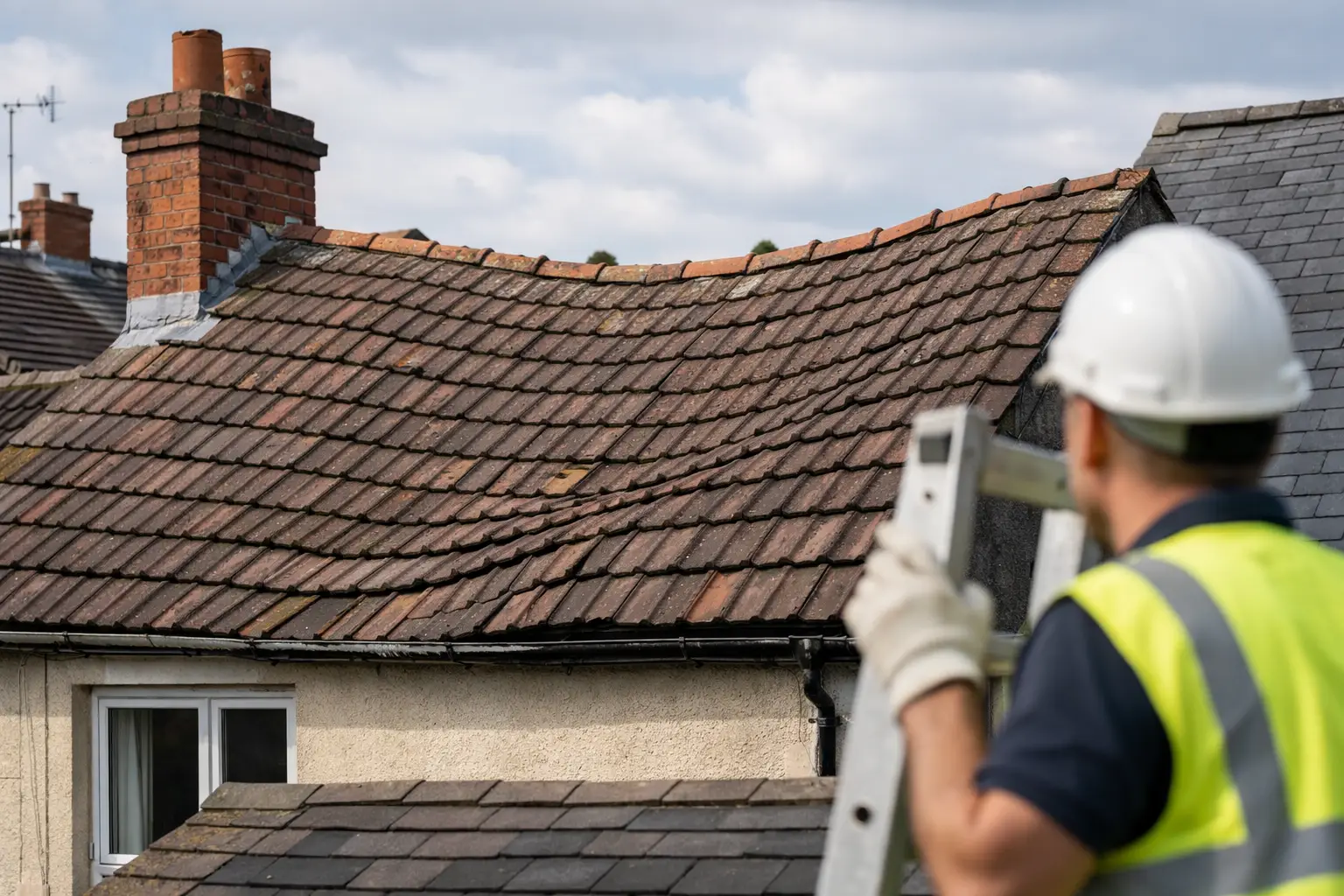
A roof should follow a clean, even line from the ridge to the eaves. If you can see a dip, bow or low patch from the garden or street, it is reasonable to ask, why is my roof sagging? A sagging roof is not always an immediate collapse risk, but it does mean part of the roof structure, covering or support system needs proper attention. Waiting for it to straighten itself out is rarely the right approach.
The cause may be localised and repairable, particularly where water has entered around a slipped tile or failed flashing. In other cases, the issue affects the roof timbers or walls supporting them and needs more substantial work. A professional roof survey establishes which it is before work is priced or started.
Why is my roof sagging? The usual causes
Water damage to roof timbers
In South Wales, repeated heavy rain and strong winds can expose weaknesses in an ageing roof covering. Broken, slipped or missing tiles allow water beneath the surface. Failed leadwork, damaged valleys and worn mortar can do the same.
Once moisture reaches the timber frame, rafters, purlins or battens can begin to rot. Timber loses strength as it decays, so it may bend under the normal weight of the roof. The visible sag is often the later symptom. There may have been a small leak in the loft for months or years before the roof line changed noticeably.
A damp patch on an upstairs ceiling, mould in the loft or a musty smell are useful clues, but their absence does not rule out water damage. Some leaks only appear in particular wind directions or during prolonged rainfall.
Roof timbers that are undersized, altered or poorly supported
Older homes can have roof structures that no longer suit the loads they carry. This is especially relevant where a loft has been converted, storage has been added, solar panels have been installed, or previous building work has changed the support arrangement.
Removing or cutting structural timbers without the correct design can weaken a roof considerably. In some properties, the original rafters may simply be undersized by modern standards, or a central support such as a purlin may have shifted. The repair depends on the cause. Strengthening sound timbers can be sensible, while rotten or badly distorted sections may need replacement.
Excessive weight on the roof
A heavy build-up of wet moss, several layers of old roofing material, or a poorly planned alteration can add unnecessary weight. Waterlogged insulation in a loft can also become surprisingly heavy after a leak.
Snow is less common as a long-term cause locally, but a period of heavy snow can reveal a roof that was already under strain. The same is true of storm damage. A roof may survive a severe weather event but be left with displaced tiles, cracked felt or weakened supports that deteriorate afterwards.
Ageing materials and movement over time
Every roof moves slightly through seasonal temperature changes, wind and settlement of the building. Over decades, fixings loosen, timber dries and shifts, and mortar wears away. This does not automatically mean the roof is unsafe, but uneven movement can leave a section of the roof line lower than the rest.
A shallow, long-standing dip may be less urgent than a new or worsening sag. Even so, it should be checked. A good survey distinguishes cosmetic unevenness from a structural problem that could worsen under bad weather.
Problems with supporting walls
Not every apparent roof sag starts in the roof itself. Movement in an external wall, a failing lintel, chimney defects or spread at the eaves can affect how the roof is supported. Cracks in brickwork, a leaning chimney or gaps opening where the ceiling meets the wall should be mentioned during the survey.
This is one reason a quote should follow an inspection rather than a guess from ground level. Replacing tiles alone will not resolve a problem caused by movement below the roof.
Signs that mean you should arrange an inspection promptly
Do not climb on a roof or lean a ladder against a visibly weak section to investigate it yourself. From a safe position on the ground and inside the loft, look for changes that help explain what is happening.
Arrange a roof inspection promptly if you notice four or more of the following warning signs:
- a dip that has appeared recently or is becoming more pronounced;
- cracked, slipped or missing tiles around the affected area;
- daylight, water staining, wet insulation or dripping in the loft;
- split, bowed or darkened timbers;
- ceiling cracks, a ceiling that is bowing, or doors and windows suddenly sticking nearby;
- a chimney that appears to lean or cracked masonry close to the roof line.
If there is active water ingress, loose materials following a storm, or a visible change in the roof shape, treat it as urgent. Keep people away from the affected room if the ceiling is sagging, move valuables where safe to do so and seek professional advice. Do not attempt to prop up roof timbers without knowing how the load is being carried. An improvised support can create a new risk.
What happens during a proper roof survey?
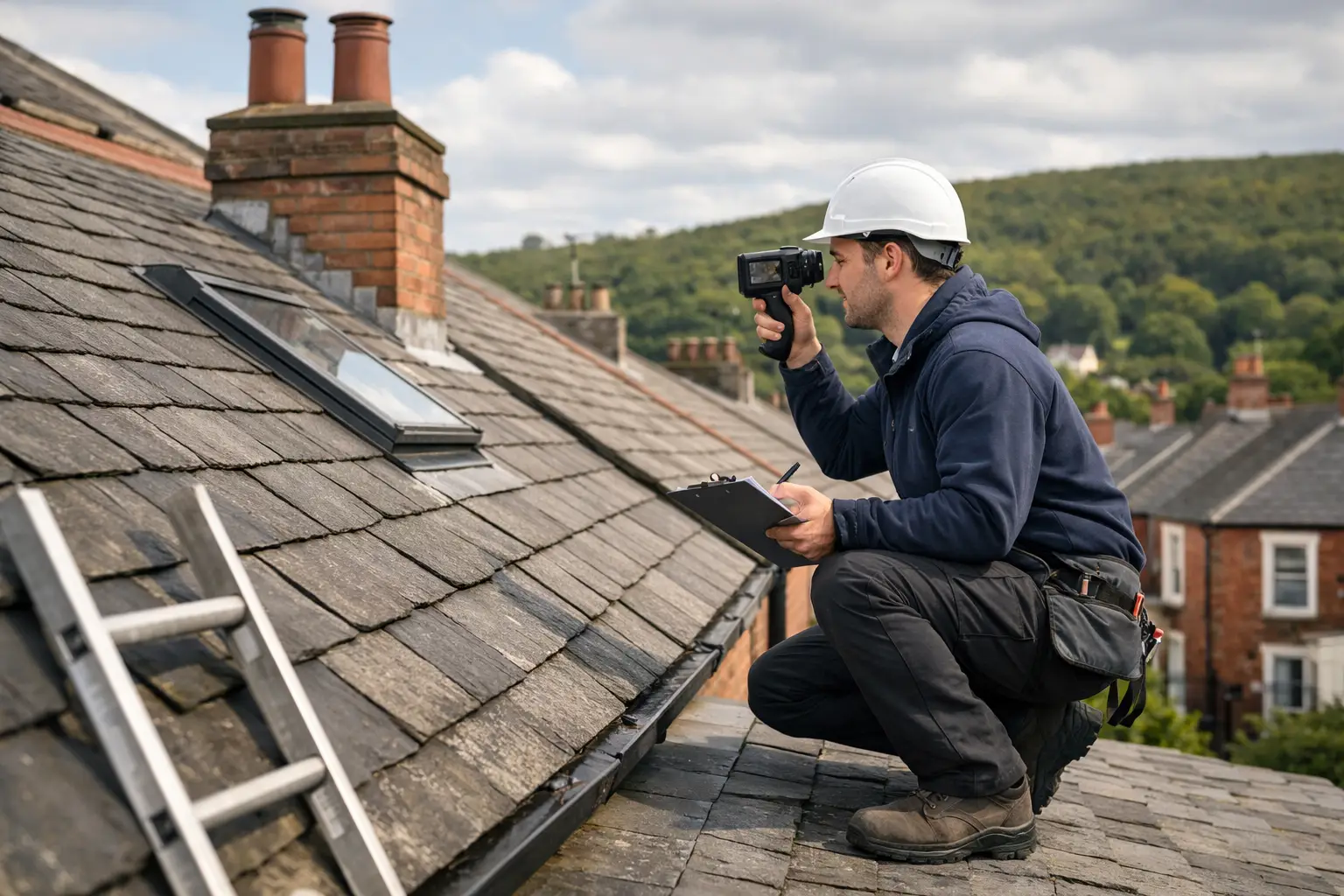
A reliable inspection starts with the outside of the roof. The contractor checks the condition of tiles or slates, ridges, valleys, flashing, gutters and the roof line itself. They will then assess the loft space where access allows, looking at rafters, battens, purlins, fixings, insulation and signs of damp or decay.
The aim is not just to identify the visible dip. It is to find the route water may be taking, establish whether the timbers are sound, and check if the issue is limited to one area or affects the wider roof. Photographs and a straightforward explanation are valuable here. You should understand what has failed, why the proposed work is needed and whether there are sensible repair options.
There are occasions when a roofing contractor will recommend that a structural engineer or building professional becomes involved. That is not a reason to panic. It is the correct step where wall movement, major timber alteration or significant structural loading may be involved. It helps ensure the right repair is designed from the start.
Repairing a sagging roof: what may be needed
The solution depends entirely on the survey findings. A local leak with early timber damage may only require replacement battens or rafters, new membrane, and reinstatement of the tiles or slates. Damaged flashing, valleys or ridges may be renewed at the same time to stop water returning.
Where rot is widespread, the roof may need a larger strip and re-roofing project. This allows failed timbers to be replaced properly and gives the roof a sound, weatherproof covering rather than patching around several weak areas. If the roof is near the end of its useful life, this can offer better long-term value than repeated repairs.
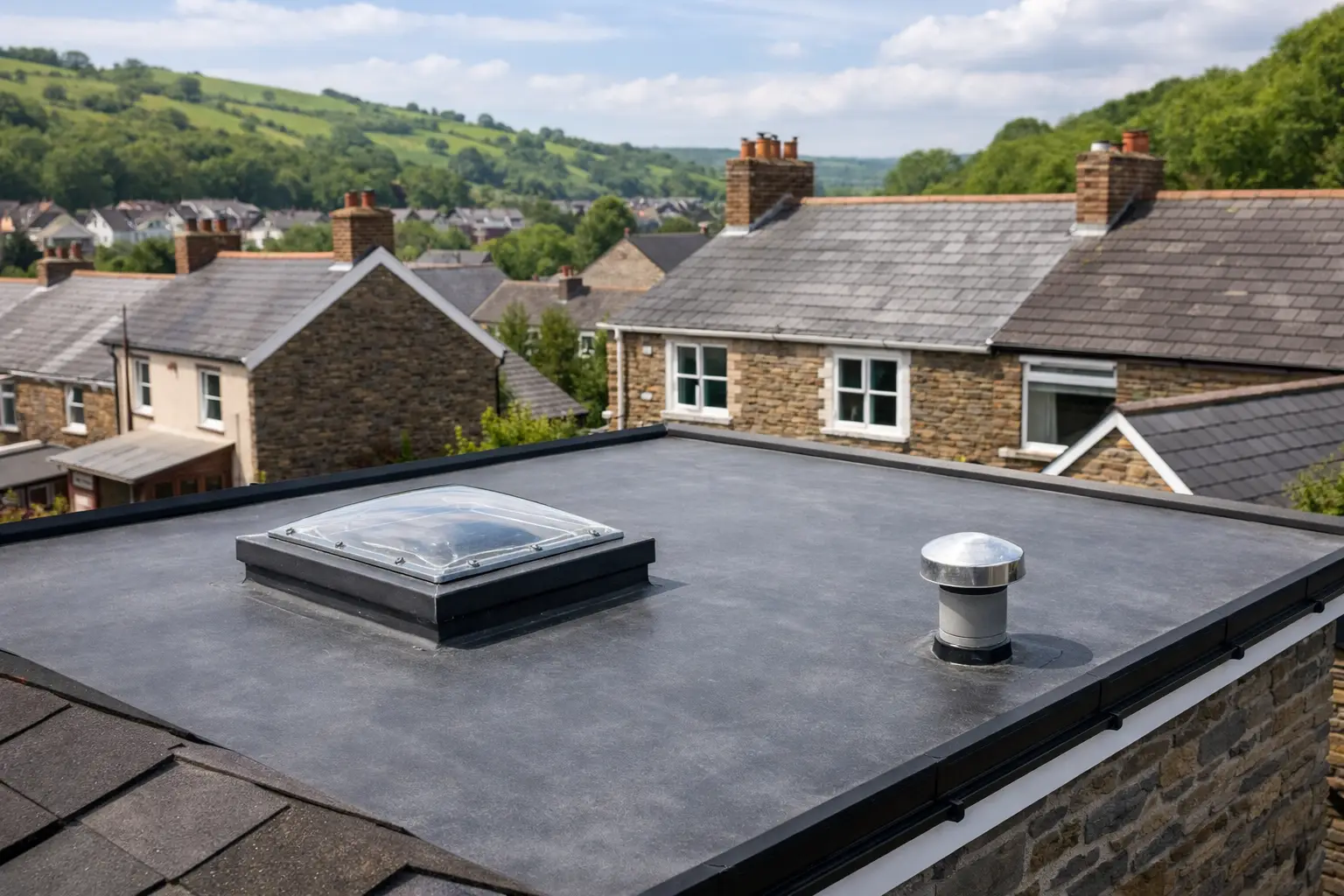
For flat roofs, standing water, failed deck boards and damp insulation can create a similar appearance of sagging. The repair may involve renewing the deck, correcting falls so water drains properly, and installing a suitable flat roof system. A flat roof should not hold water for extended periods after rainfall.
The key trade-off is between the lowest immediate cost and a repair that deals with the underlying fault. A small repair is the right answer when the structure is sound and the cause is clearly local. It is poor value when water damage or weakness extends beyond the visible area.
What you can do while waiting for help
Take clear photographs from the ground and inside the loft if it is safe to enter. Note when you first saw the dip, whether it changed after wind or rain, and any signs of leaks. This gives the roofer useful context and can speed up diagnosis.
Keep gutters and downpipes clear where they can be reached safely from ground level, but do not put pressure on the roof edge or work at height without suitable equipment. If water is entering, use containers to catch drips and protect furniture, but avoid placing anything heavy against a bulging ceiling. Contact your insurer if there has been storm damage, although it is still sensible to arrange prompt action to prevent further deterioration.
A sagging roof deserves a clear answer, not a rushed guess. Roof Renovations Ltd can inspect the problem, explain the condition in plain English and provide an itemised quote for the work genuinely required. Acting while the issue is contained gives you the best chance of protecting the structure, your home and your budget.
Other Articles