Blog
Emergency Roof Repair: What to Do First
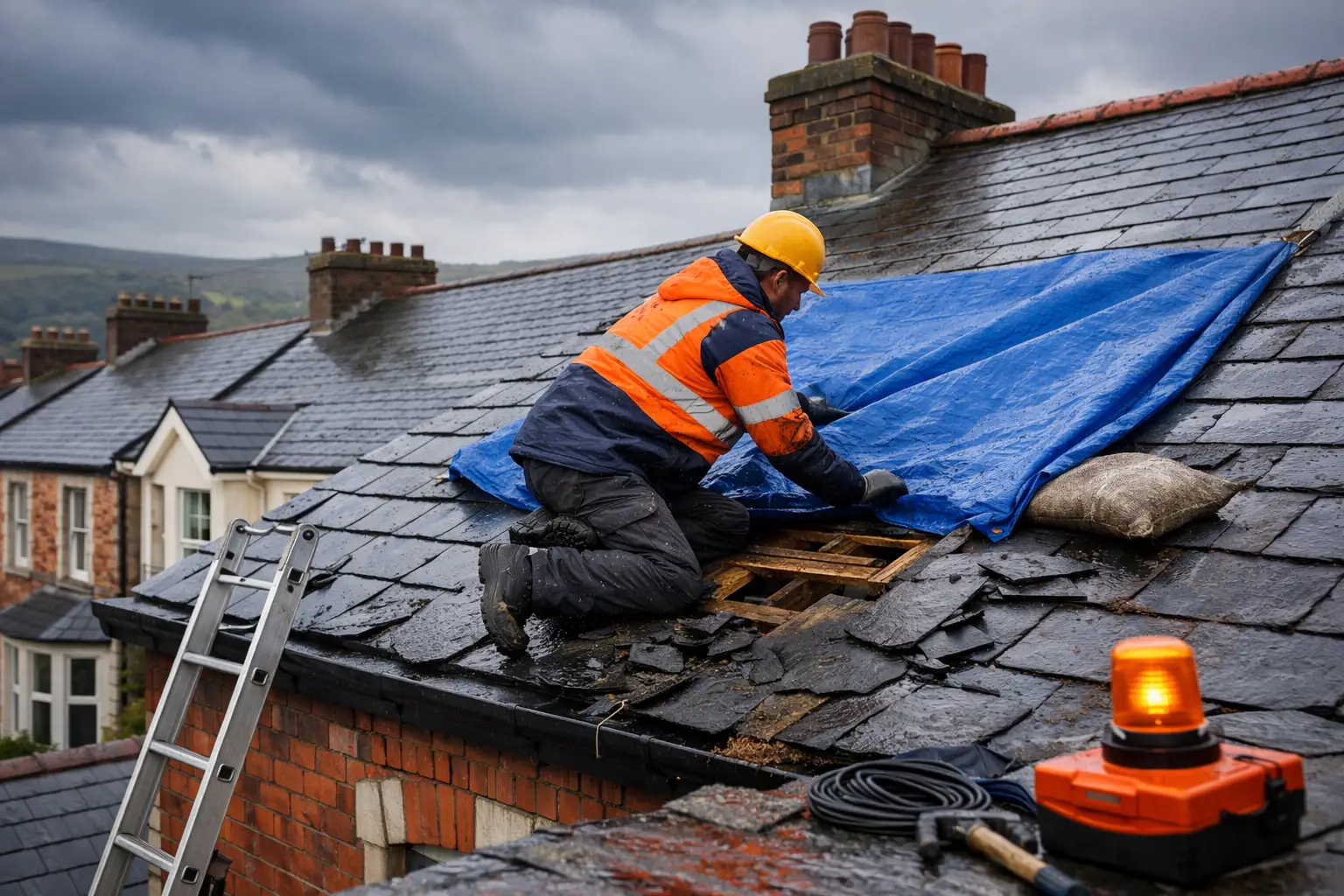
A roof leak rarely waits for a convenient time. Water can appear through a bedroom ceiling during heavy rain, a slipped tile can leave a section exposed after high winds, or storm damage can make part of the roof unsafe without warning. Emergency roof repair is about acting promptly to protect people, belongings and the structure of your home - then making sure the proper repair is not overlooked.
The first aim is not always to complete every part of the repair on the spot. In poor weather or after severe damage, the immediate priority may be to make the roof safe and weatherproof, assess what has failed, and arrange the lasting work under suitable conditions. A dependable roofing contractor will explain that clearly, rather than promising a quick fix that will not hold.
When Does a Roof Problem Need Urgent Attention?
Not every missing tile requires an emergency call-out, but it is better to act early when water or safety is involved. A small defect can become a larger repair quickly once rain reaches the roof lining, timbers, insulation or ceiling finishes.
Urgent attention is usually needed where water is actively entering the property, slates or tiles are loose and at risk of falling, or a visible section of roof covering has been lifted by wind. Damage around a chimney, ridge line, valley, rooflight or flat-roof edge also deserves a prompt inspection. These areas direct large amounts of water away from the property, so a failure there can cause a leak some distance from the actual problem.
On flat roofs, bubbling, splits, lifted felt, cracked flashing and pooling water may signal that the waterproof layer has failed. A leak in a garage or extension may seem less pressing than one above a living space, but water can still damage the deck beneath and spread into adjoining rooms.
If there is a bulging ceiling, keep people out of the affected room where possible. A ceiling holding a large amount of water can become unstable. Water near lights, switches or electrical fittings should be treated with particular caution. If it is safe to do so, switch off electricity to the affected circuit and seek advice from a qualified electrician as well as a roofer.
What to Do Before Emergency Roof Repair Arrives
Your safety comes first. Do not climb onto the roof, lean ladders against damaged guttering or try to replace tiles in high winds. Roofing work requires the right access equipment, secure footing and an understanding of how the surrounding materials are fixed. What looks like one loose tile can be a wider area of unstable roof covering.
Inside the property, move furniture, rugs and valuables away from the leak. Use buckets or containers to collect drips and place towels around them to protect flooring. If water is collecting in a plasterboard ceiling, do not assume the visible stain shows the full extent of the issue. Keep clear of the area and monitor it from a safe distance.
Take photographs of the damage from ground level and of any internal water marks. This can help a roofer understand the situation before arrival and may be useful if you need to speak with your insurer. Avoid covering the roof yourself with a loose tarpaulin. In strong winds, it can create further damage or become a hazard.
For landlords, clear communication with tenants matters. Ask them to keep the affected area clear, report any change in the leak, and avoid attempting repairs. A quick report, supported by photographs where safe, gives the contractor a better chance of preparing the right materials for the visit.
What a Proper Emergency Roof Repair Visit Should Include
A professional emergency visit should start with a practical assessment, not guesswork. The roofer will inspect the visible roof damage and, where access allows, identify how water is getting in. They should also consider nearby details such as flashing, mortar, valleys, gutters and roof junctions. Water often travels beneath the surface before it becomes visible indoors.
The right repair depends on the cause. A few displaced tiles may be refixed or replaced immediately. Damaged lead flashing may need to be secured and sealed as a temporary measure before a more complete repair is carried out. A flat roof split may need a local patch to stop water entering, while wider deterioration could mean the roof covering is nearing the end of its working life.
In severe weather, a temporary weatherproof repair can be the sensible choice. This may involve securing loose materials, fitting an appropriate temporary covering, or closing an exposed section until conditions allow for permanent work. That is not cutting corners when it is done properly. It is a controlled way to protect the property while avoiding unsafe work at height.
You should be told what has been found, what has been completed that day, and whether further work is recommended. An itemised quote is especially useful where there is a difference between the immediate repair and a larger planned job. It gives you the information needed to decide without pressure or surprise costs.
Temporary Repairs and Permanent Repairs Are Not the Same
A repair that stops a leak tonight may not be the final answer. This is particularly true after a storm, where wind can lift tiles, damage fixings and disturb surrounding sections that initially appear sound. A temporary repair buys time. A permanent repair addresses the materials, fixings and details that caused the failure.
There are times when a local repair is the best value. If the rest of the roof is in good condition and the damage is confined to one area, replacing broken tiles or renewing a section of flashing can provide a durable result. There are other occasions when repeated patching is false economy. A roof with widespread wear, failing underlay, recurring leaks or multiple damaged areas may need more extensive renovation.
An experienced contractor should be straightforward about that difference. Homeowners deserve to know whether they are paying for a sound, long-term solution or a necessary short-term measure. The answer depends on the roof’s age, material, overall condition and the extent of water damage beneath the covering.
Common Causes of Emergency Roof Problems in South Wales
South Wales roofs need to withstand persistent rain, strong winds and seasonal changes in temperature. Storms can loosen ridge tiles, lift slates, damage flashing and block gutters with debris. Older roofs may be more vulnerable where mortar has deteriorated or fixings have weakened over time.
Blocked gutters and downpipes are also a frequent cause of trouble. When rainwater cannot drain freely, it can overflow onto fascias, masonry and roof edges. In colder spells, trapped water can freeze and worsen small cracks. Regular maintenance is less dramatic than an emergency call-out, but it can prevent a number of avoidable leaks.
Poorly completed previous repairs can create problems too. Incompatible materials, inadequate seals and incorrectly fitted flashing may hold for a while before heavy rain exposes the weakness. This is why identifying the source of a leak matters more than simply sealing the point where water appears indoors.
Choosing a Roofer When Time Matters
An urgent situation can make it tempting to accept the first offer available. It is still worth looking for clear signs of a professional service: prompt communication, a willingness to explain the problem plainly, safe working practices and a clear account of costs.
Be cautious of anyone who insists a complete roof replacement is the only option before properly inspecting the damage. Equally, be wary of vague assurances that a simple patch will solve everything without discussing the wider roof condition. A good roofer will give a balanced view and set realistic expectations about access, weather and timescales.
Roof Renovations Ltd provides emergency roof repairs for homeowners and property owners across South Wales, with a focus on punctual attendance, tidy work and clear, itemised recommendations. The objective is simple: make the property safe, stop further water damage and give you a sensible route to a lasting repair.
If your roof is leaking or has been damaged by wind, keep the area safe, protect what you can indoors and arrange an inspection as soon as possible. Fast action can often turn a stressful emergency into a manageable repair before the next spell of rain makes the damage worse.
Other Articles