Blog
Roof Leak Repair Cost: What Affects the Price?
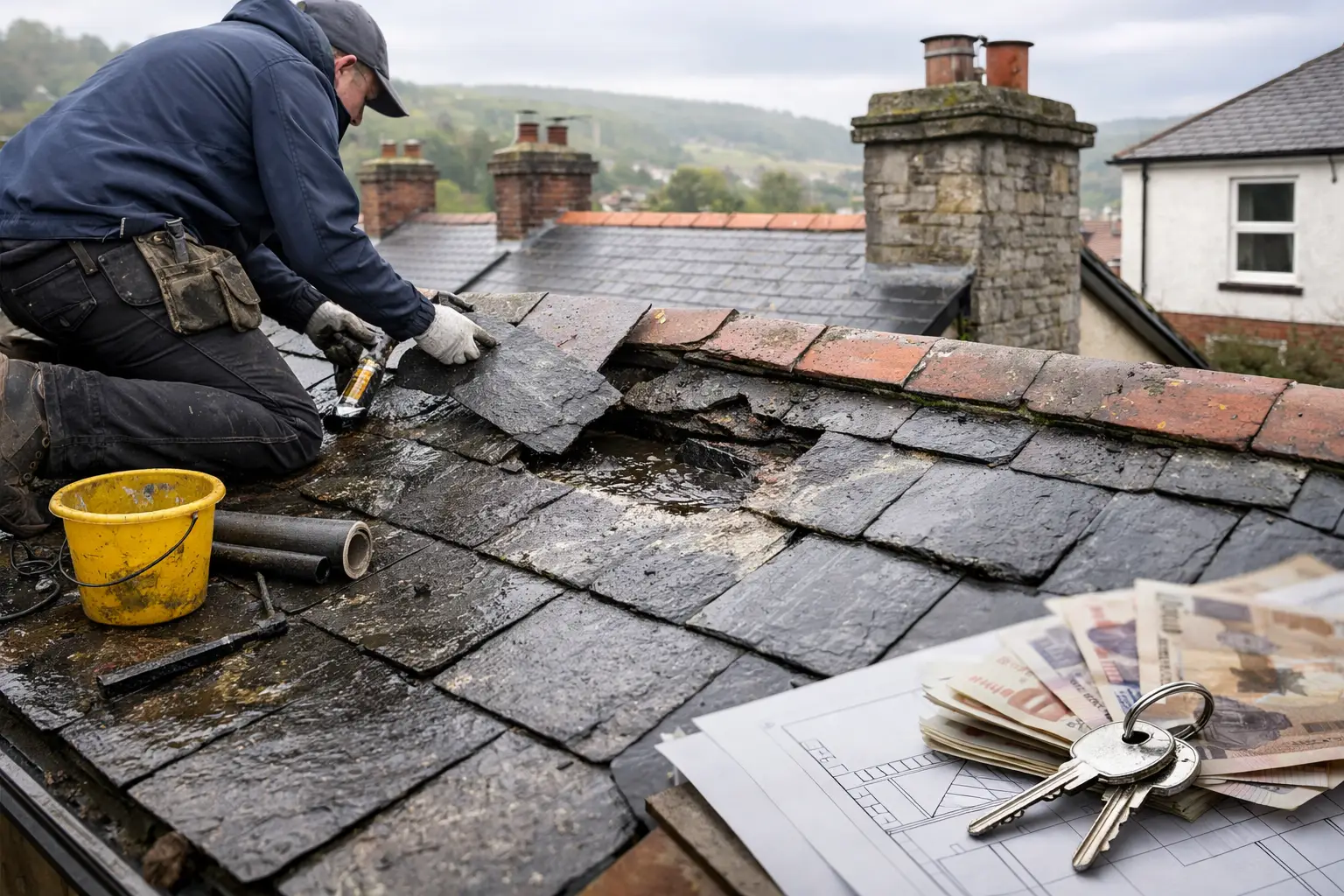
A leaking roof rarely turns up at a convenient time. It usually starts as a damp patch on the ceiling, a drip in the loft or water finding its way down a bedroom wall after heavy rain. When that happens, the first question most homeowners ask is simple - what is the roof leak repair cost, and is this a quick fix or something more serious?
The honest answer is that it depends on what is causing the leak, how far the damage has spread and how easy the roof is to reach safely. A small repair can be relatively straightforward. A leak that has been left for months, or one caused by wider roof failure, can be a very different job. What matters most is getting the problem checked properly before guessing at the price.
What affects roof leak repair cost?
The cost of repairing a roof leak is not based on the water mark you can see indoors. It is based on the fault outside, and the route water has taken to get there. In many cases, the visible leak inside is not directly below the actual point of failure on the roof.
One of the biggest factors is the type of roof. A pitched tiled roof, a slate roof and a flat roof all fail in different ways and need different repair methods. Replacing a few slipped tiles is usually a more contained job than tracing a leak in an ageing flat roof where the membrane has started to split or lift around joints.
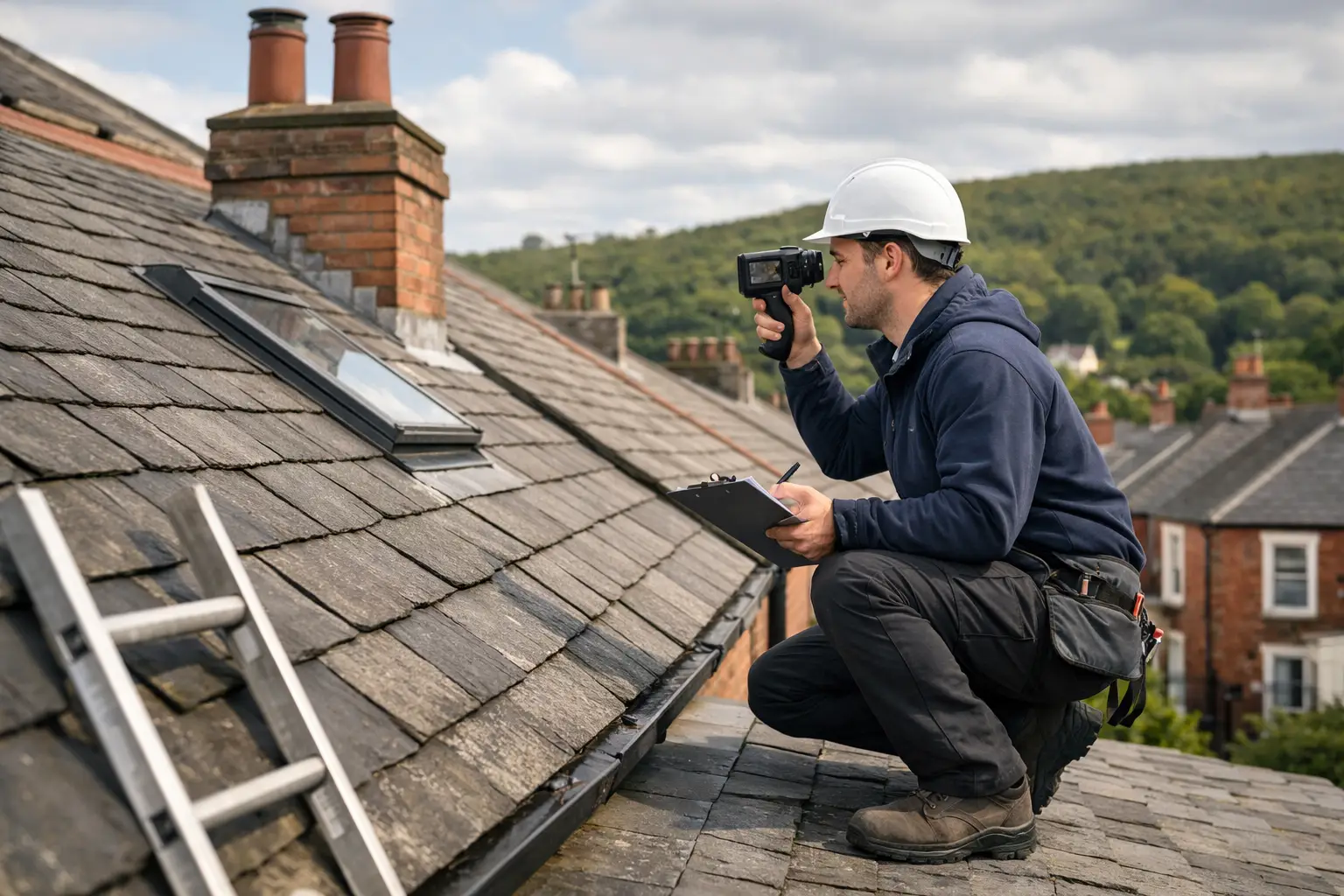
Access also affects price. If a repair can be carried out safely from a ladder with the right precautions, the cost will usually be lower than a job that needs scaffolding or specialist access equipment. Chimneys, valleys, dormers and roof sections above conservatories or extensions can all add time and complexity.
Then there is the condition of the surrounding roof area. A single cracked tile is one thing. Rotten battens, damaged underlay, failed flashing or saturated timbers are another. Once roofers lift the affected section, they may find that the leak has been developing for longer than first thought.
Typical roof leak repairs and how costs vary
Some leaks come from obvious wear and tear. Slipped or broken tiles, damaged ridge tiles, cracked lead flashing, blocked valleys and failed seals around vents are common causes. These are often localised repairs, which means the work can be targeted to the damaged section rather than the whole roof.
Repairs of this kind tend to sit at the lower end of the scale, especially where the materials are standard and the area is easy to reach. The final figure still depends on labour time, matching materials and whether the repair needs to be made watertight straight away in poor weather conditions.
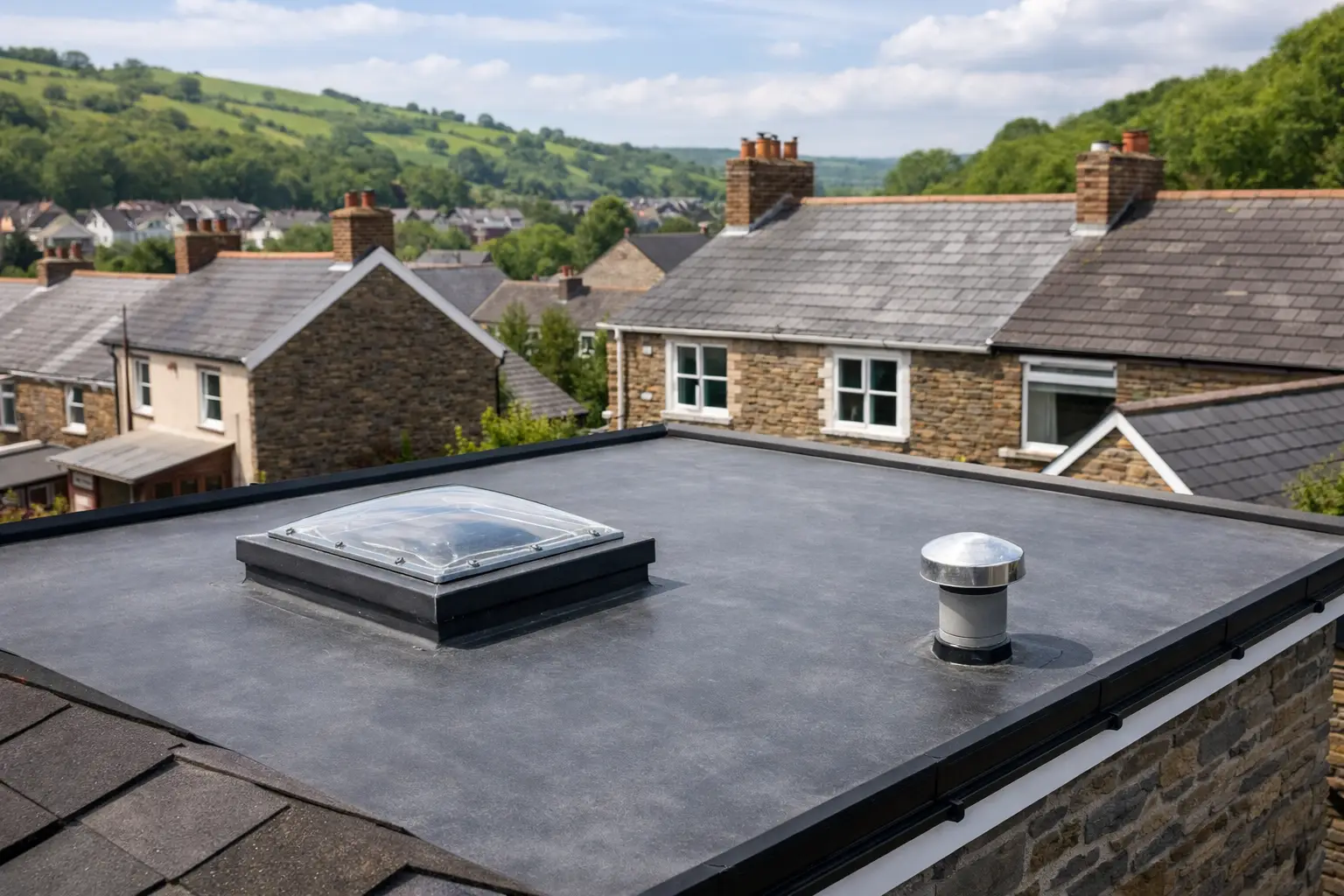
Flat roof leaks can be more variable. If the problem is a small split, a failed edge detail or a weak point around a rooflight, the repair may be modest. If water has got beneath the surface and affected a wider area, patching may only be a temporary measure. In that case, part replacement or a full new covering can be better value than paying for repeated call-outs.
Leaks around chimneys and roof junctions can also cost more than expected. That is because the issue is often not just one loose component. It may involve leadwork, mortar failure, damaged tiles and water getting in around more than one point.
Why two quotes can look very different
Homeowners are often surprised when one roofer gives a low figure over the phone and another insists on a proper survey first. In practice, the second approach is usually the more reliable one.
A leak can be simple, but it can also be misleading. Quoting without seeing the roof often leads to vague pricing, missed problems or a cheap headline figure that rises once work starts. A proper inspection should identify the likely source of the leak, the condition of nearby materials and whether there is any sign of deeper water damage.
Transparent pricing matters here. A good quote should explain what is included, what materials will be used and whether anything may only become clear once the area is opened up. That does not mean the contractor is being evasive. It means they are being honest about the condition of the roof and the risks of hidden damage.
Emergency leak repairs versus planned repairs
If water is actively coming in, speed becomes part of the cost. Emergency call-outs can be more expensive than standard booked work, particularly outside normal working hours or during severe weather. That is not unusual. You are paying for rapid response, temporary weatherproofing and immediate action to protect the property.
In some cases, the first visit is about making the roof safe and watertight rather than carrying out the full permanent repair there and then. For example, a roofer may apply a temporary covering or secure damaged sections before returning in safer conditions to complete the job properly.
That can actually save money in the long run. Stopping water ingress quickly helps limit internal damage to ceilings, insulation, plaster and electrics. The roof repair bill is one part of the cost. The damage caused by delay is often the more expensive part.
When a small leak is not really a small repair
It is easy to assume that a minor drip means a minor job. Sometimes that is true. Sometimes it is not.
Roof leaks have a habit of exposing problems that have been hidden for years. Water may have been soaking into felt, battens or decking long before it reached the room below. By the time a stain appears on the ceiling, there may already be timber decay, mould or insulation damage in the loft space.
This is especially common on older roofs and on properties where previous repairs have been patch-and-mend rather than properly dealt with. Replacing one or two visible components might stop the immediate leak, but if the surrounding roof is near the end of its life, that fix may not last.
A dependable contractor should tell you that plainly. There is no sense in selling a cheap repair if the roof needs wider attention within months.
Roof type makes a real difference
Pitched roofs
Pitched roofs often leak because of damaged or displaced tiles, slate failure, flashing issues or problems at ridges and valleys. These can sometimes be repaired in isolated sections, which keeps costs more manageable. The challenge is tracing the source accurately, because water can travel before it appears inside.
Flat roofs
Flat roofs on garages, extensions and dormers can fail through splits, ponding water, deteriorated seams or ageing materials. Repair cost depends on whether the fault is confined to one detail or whether the covering has generally worn out. On an older flat roof, repeated repairs can become false economy.
Roof features and junctions
Chimneys, rooflights, vents and abutments are common weak points. They also take more time to repair properly because the work needs care and precision. A rushed repair in these areas often leads to the same leak coming back.
How to keep the cost sensible
The cheapest way to deal with a roof leak is usually to deal with it early. Once water starts getting into the structure of the roof or the inside of the house, the scope of work expands quickly.
It also helps to choose a roofer who explains the job clearly. A proper inspection, an itemised quote and a realistic view of the roof condition are worth more than a low estimate that leaves out access, materials or follow-on work. If scaffolding is needed, if matching tiles are harder to source or if internal damage has to be allowed for, it is better to know from the start.
Maintenance plays a part as well. Keeping gutters clear, checking for slipped tiles after storms and acting on small signs of trouble can prevent larger repair bills later. In areas exposed to strong wind and heavy rain, roofs take more punishment than many people realise.
Should you repair or replace?
This is where cost needs to be weighed against value. If the leak comes from a single failure on an otherwise sound roof, repair is usually the right answer. If the roof has multiple recurring leaks, ageing materials and widespread wear, replacement may work out better than repeated repairs.
That decision should not be based on pressure. It should be based on condition, lifespan and the likely cost of carrying on with short-term fixes. An experienced roofer should be able to explain the difference in plain English.
For homeowners across South Wales, where wind-driven rain can quickly expose weak points in older roofs, sensible advice matters just as much as the repair itself. Roof Renovations Ltd takes that practical approach - assess the issue properly, explain what is needed and price the work clearly.
If you are worried about a leak, the best next step is not to guess the cost from the stain on the ceiling. Get the roof checked, find the cause and make a decision based on the actual problem rather than the hope that it will sort itself out.
Other Articles