Blog
Signs You Need Flat Roof Installation — And What to Do Next
Signs your flat roof needs full installation — not just a patch
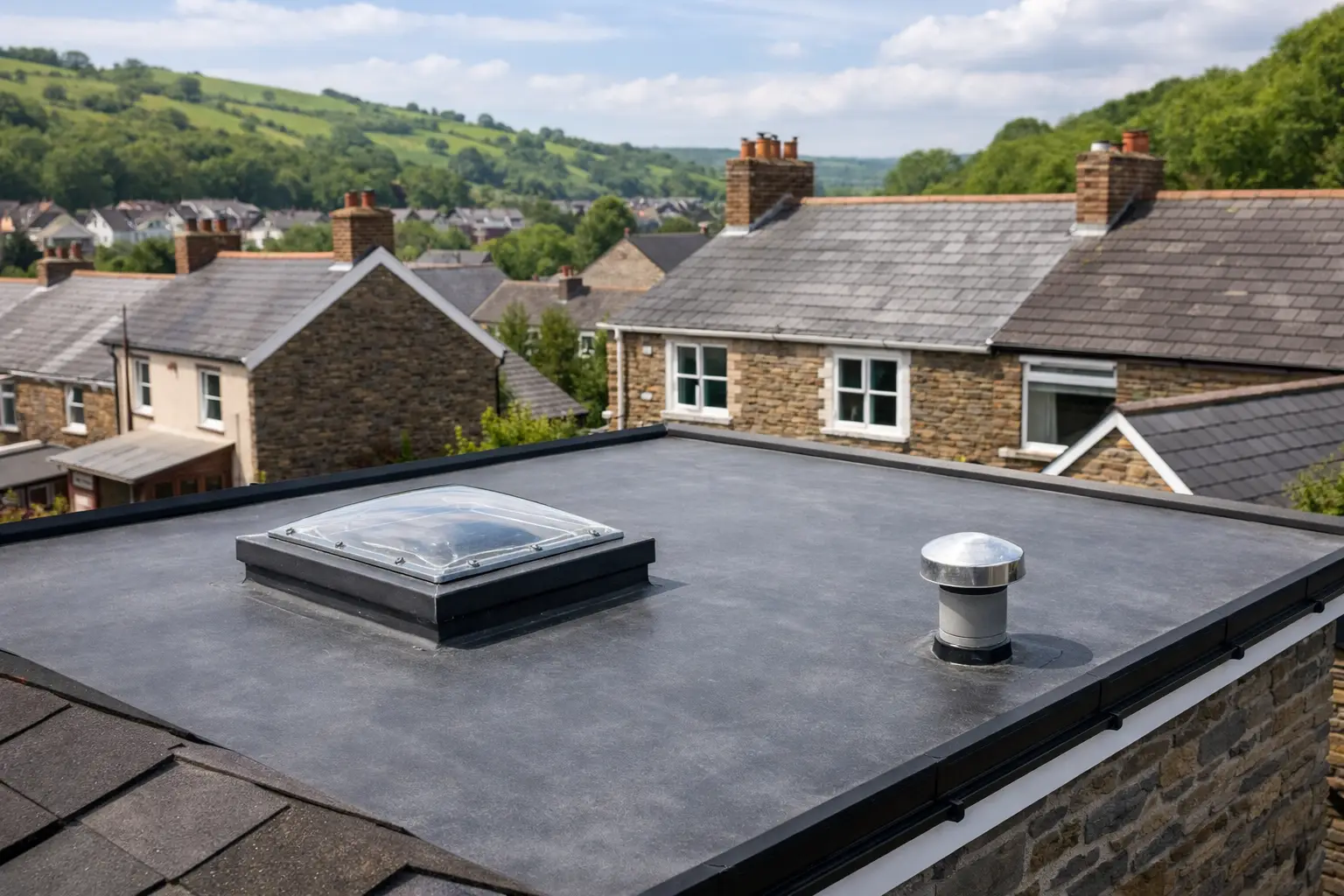
Flat roofs are common on bungalows, rear extensions, garages and commercial units across South Wales. Many small problems can be repaired, but there are clear, repeatable signs that a roof needs a full flat roof installation rather than another patch-up.
1. Persistent ponding water
If water sits on the roof longer than 48 hours after rain, that’s ponding. Ponding leads to membrane stretching, sagging and eventual leaks. Short-term fixes rarely stop the problem; a new installation will correct falls and drainage.
2. Frequent leaks or recurring repairs
If you’re calling a roofer every season for the same leak, the underlying deck or insulation is likely compromised. Replacing the roof is more cost-effective long term than continual emergency repairs.
3. Blistering, bubbling or cracking of the membrane
Materials such as felt, torch-on or older single-ply membranes can blister or split with age or poor installation. Large areas of bubble or cracked membrane indicate the waterproof layer has reached the end of its life.
4. Rot or soft spots on the deck
Lift a small section of upstand or check in the loft/ceiling below. Softness in timber decking or structural timbers means moisture has penetrated — replacement is essential to restore structural integrity.
5. Rising heating bills and poor insulation
An old flat roof without adequate insulation will let heat escape. A full flat roof installation allows you to upgrade to a warm-roof system with modern insulation and vapour control layers.
6. Age and finish of the existing roof
Most traditional flat roofs reach the end of their service life between 15–30 years depending on material and maintenance. If the roof is within that age range and showing multiple defects, plan for replacement.
What to do next — practical, step-by-step advice
Step 1: Quick checks you can do today
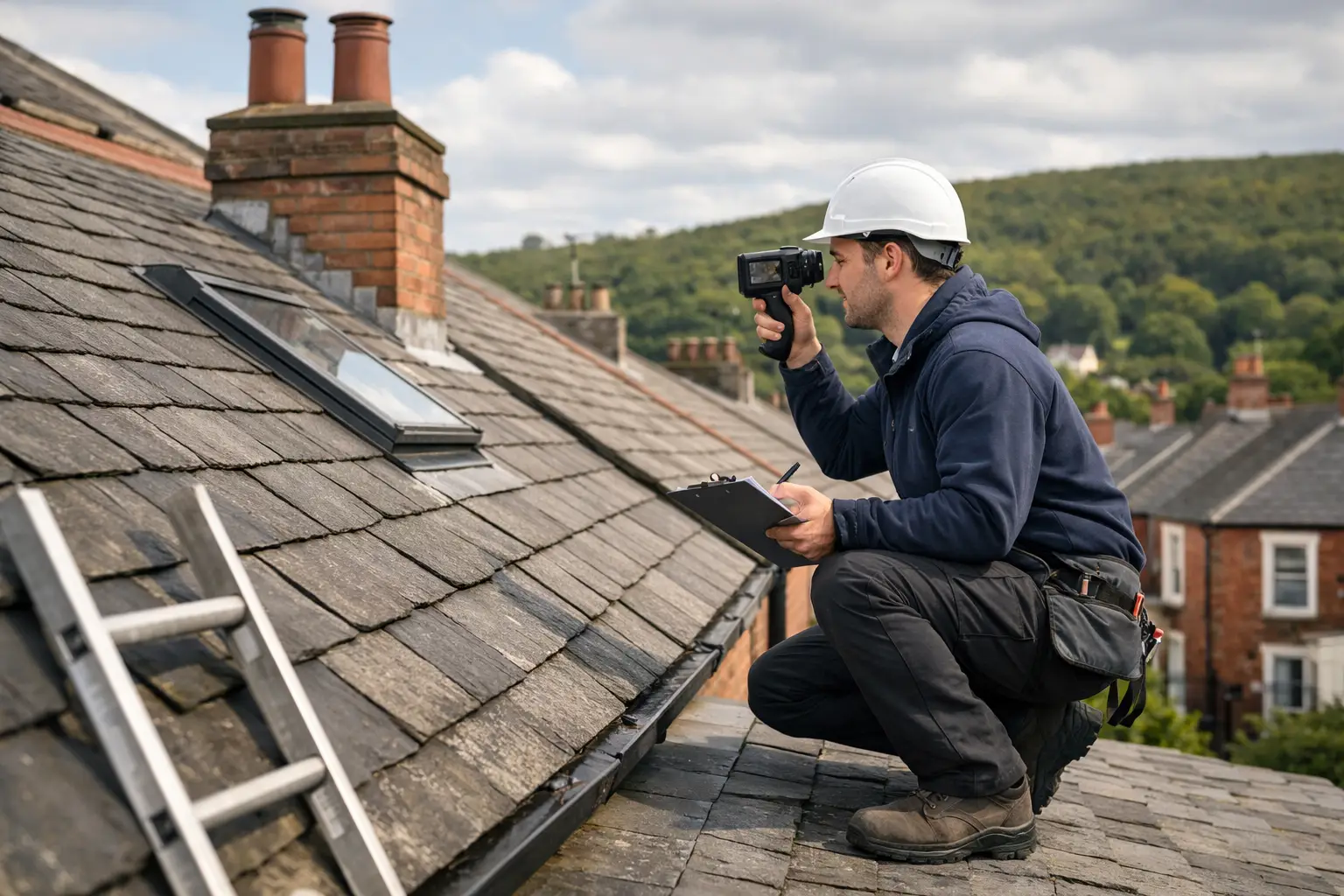
- Walk around the property after rain and photograph areas of ponding and leaks.
- Check the interior ceilings for fresh stains or bulging plasterboard.
- Look at upstands, flashings and gutter junctions for splits or gaps.
Keep photos; they’re invaluable when getting quotes and proving recurring problems.
Step 2: Make temporary measures if you need them
If water is getting in now, do simple temporary actions while you arrange a professional repair:
- Move furniture away from leak areas and place buckets under drips.
- Use a tarp or pond liner as an emergency cover where safe to do so (only short term).
- Avoid DIY torch-on repairs unless you have training — wrong application causes more harm.
Step 3: Choose the right replacement system
Common, reliable flat roof systems for South Wales properties:
- EPDM rubber: durable, good for simple profiles and low maintenance.
- GRP fibreglass: tough, seamless finish suitable for complex details.
- Warm roof with PIR insulation and single-ply membrane: best for energy efficiency.
- Modified bitumen (torch-on): proven for many domestic and commercial roofs but requires skilled installers.
Consider lifetime, maintenance, insulation value and local weather exposure when selecting a system.
Step 4: Get an informed quote — what to expect
Ask potential contractors for:
- A site visit and written specification (not just a rough price).
- Details on materials, insulation thickness, falls and drainage solutions.
- Timescale, start date and clear neighbours’ access arrangements.
- Guarantees on workmanship and manufacturer’s warranties on materials.
- Evidence of certification — Roof Renovations LTD is Federation-certified and has 28 years’ experience in South Wales.
Compare like-for-like: one low price may mean thinner insulation, no proper upstands or no vapour barrier.
Step 5: Plan for site standards and aftercare
A professional installer will protect your garden and leave the site tidy daily. Confirm who clears waste, checks gutters after completion and provides a maintenance schedule. Routine checks every 12 months will extend the life of your new flat roof.
Common mistakes to avoid
- Picking the cheapest quote without a full specification.
- Allowing contractors to use torches near combustible materials without protective measures.
- Ignoring ventilation and vapour control; condensation causes internal decay even on a watertight roof.
Final word — when to call a professional
If you have persistent ponding, repeated leaks, or soft decking, do not delay. A full flat roof installation stops damage to insulation and structure and improves energy performance.
For practical, punctual roofing across South Wales — from garage roofs in Bridgeend to flat-roofed extensions in Cardiff — Roof Renovations LTD offers Federation-certified installers with 28 years of experience. We provide clear written specifications, tidy site standards and long-term warranties. Contact us for a site visit and a no-nonsense quote tailored to your property.
Other Articles