Blog
EPDM Flat Roof Review for South Wales Homes
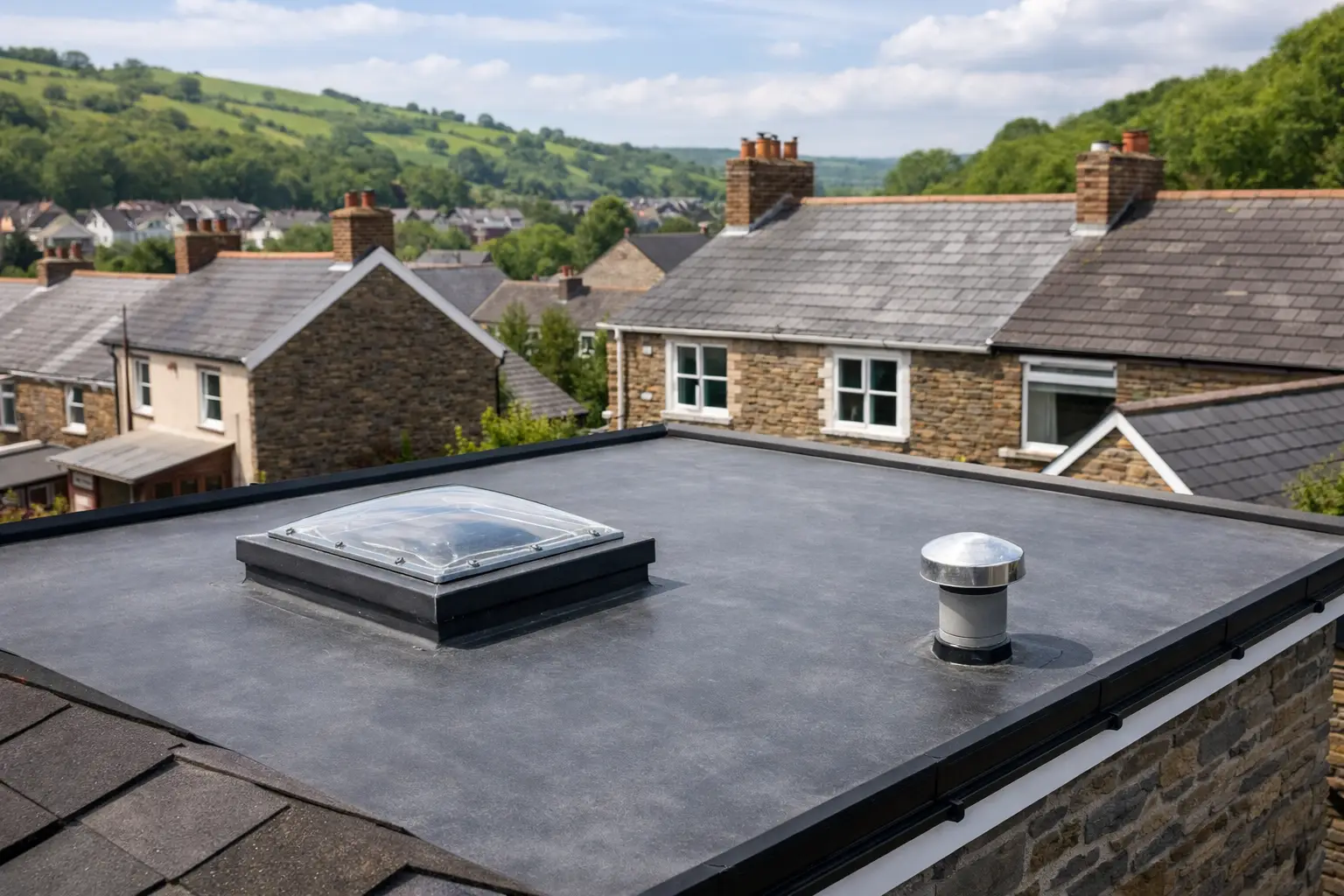
A flat roof that starts holding water after a heavy downpour is not a minor annoyance. On an extension, garage or porch, it can soon become a leak, damaged ceiling or expensive repair. This EPDM flat roof review looks at whether this popular rubber membrane is a sound choice for residential properties, including where it performs well and where careful planning matters.
EPDM is widely used because it is a practical, long-lasting material rather than a short-term patch. However, the quality of the finished roof depends on more than the membrane itself. The condition of the deck, the falls that carry water away, the detailing around edges and outlets, and the standard of fitting all play a part.
What is an EPDM flat roof?
EPDM stands for ethylene propylene diene monomer. In plain terms, it is a tough synthetic rubber membrane installed over a suitable roof deck. It is commonly supplied in large sheets, which means many domestic flat roofs can be covered with few or no seams across the main surface.
For homeowners, that matters. Fewer joints generally mean fewer potential weak points for water to find. The membrane is bonded or mechanically fixed to the prepared roof, then finished carefully at perimeter edges, walls, rooflights, pipes and drainage outlets.
It is a very different system from older felt roofs that were often built up with several heated layers. Modern felt systems can still be effective when properly installed, but EPDM has earned its reputation through flexibility, straightforward maintenance and a clean finished appearance.
EPDM flat roof review: the main benefits
The strongest point in favour of EPDM is its expected service life. A well-specified and correctly fitted EPDM roof can provide several decades of weather protection. It does not become brittle in the same way as some older coverings, and it handles the changing temperatures of a British year well.
Its flexibility is particularly useful in South Wales, where roofs can face persistent rain, wind and sudden changes in temperature. The membrane can move slightly with the building without easily splitting. It is also resistant to UV exposure, so sunlight does not cause the same level of deterioration associated with some lower-grade materials.
EPDM is usually supplied in black, creating a neat, unobtrusive finish. It can be installed without the strong odours and open-flame work associated with traditional torch-on methods. That makes it a sensible option for many occupied homes, garages and extensions, provided the roof is prepared properly.
Maintenance is generally modest. Keeping gutters, outlets and surrounding areas clear of leaves and moss helps water drain as intended. Occasional visual checks are sensible, especially after storms, but an EPDM roof should not require frequent attention or regular coating.
The drawbacks to consider before choosing EPDM
No flat roofing material is right for every property. EPDM is durable, but it is not a cure for poor roof design. If the deck is soft, damaged or uneven, covering it with a new membrane will not solve the underlying problem. The roof may need new boarding, improved insulation or repairs to the structure before installation begins.
Drainage is another key point. A flat roof should have a designed fall towards gutters or outlets. It may look level from the ground, but it must not rely on luck to shed rainwater. Small areas of temporary ponding are not always a failure, yet standing water that remains for long periods needs investigating.
The membrane can also be punctured by careless foot traffic, sharp tools or unsecured items placed on the roof. It is tough, not indestructible. If access is needed for a window, solar equipment or maintenance work, this should be planned in advance and carried out with care.
Appearance can be a deciding factor too. Some owners prefer the look of fibreglass or a mineral-finished felt roof, especially where the roof is clearly visible from upper windows. EPDM is normally chosen for performance and value rather than decorative impact.
What makes the difference between a good roof and a poor one?
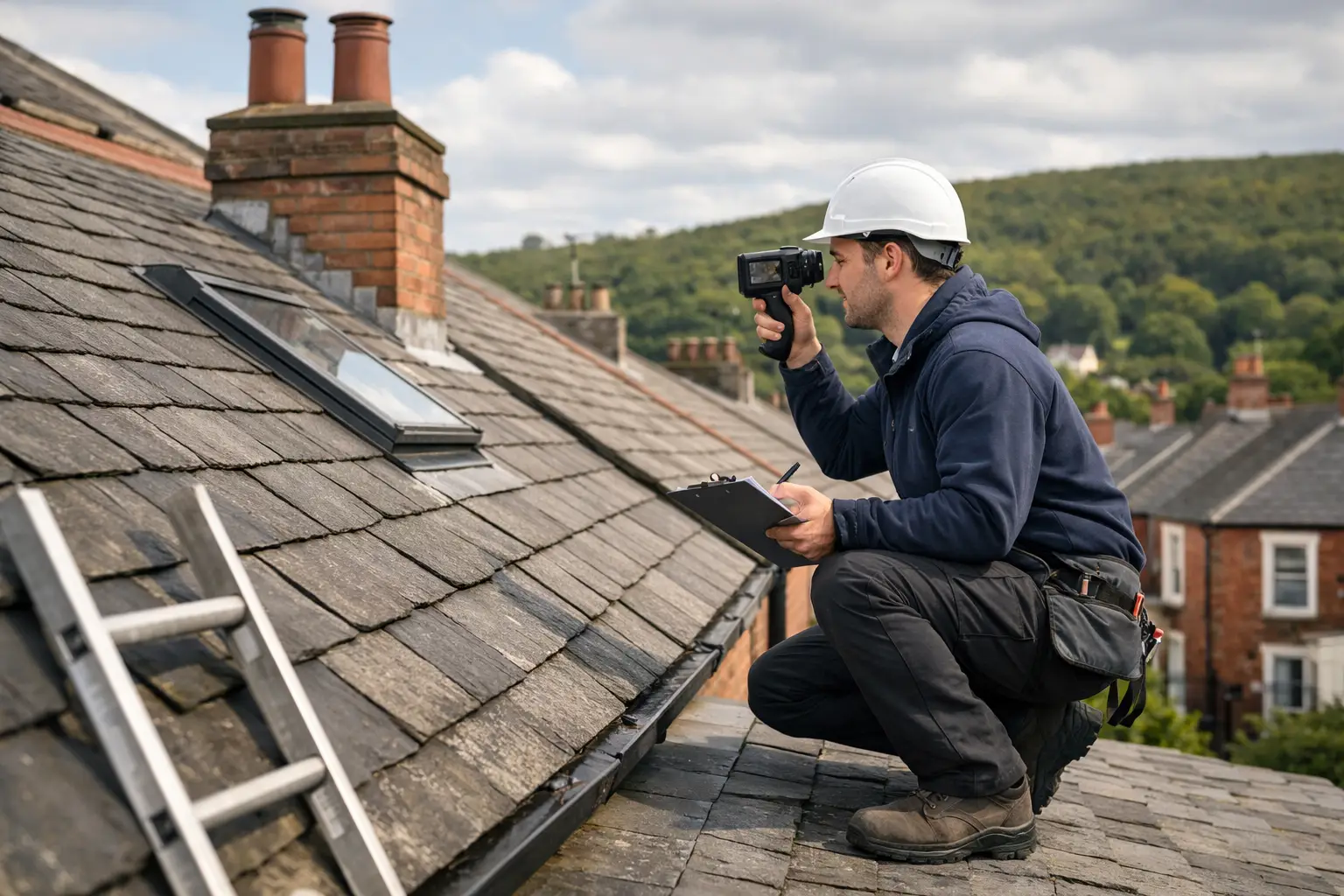
A reliable EPDM installation starts below the surface. The existing roof needs a proper survey to establish whether the deck is sound, whether there is trapped moisture, and whether the roof has enough fall. A contractor should also check the condition of fascias, gutters, wall flashings and any existing rooflight or pipe details.
The deck must be clean, dry and stable before the membrane is fitted. Depending on the roof build-up, this may involve replacing damaged boards, installing insulation or forming new falls. Trying to save time at this stage often leads to problems later.
Detailing is where workmanship shows. Edges need secure trims or appropriate upstands, while joins at walls and outlets must be watertight. These are the areas most likely to cause leaks when work has been rushed. A tidy roof is a good sign, but the unseen preparation and careful finishing are what protect the property.
For this reason, the lowest quote is not always the best value. Ask what preparation is included, how drainage will be handled, what membrane system is proposed and whether the price covers trims, flashing work, waste removal and making good. An itemised quote makes it easier to compare like for like.
How much does an EPDM flat roof cost?
The cost of an EPDM roof varies by size, access, roof shape and the condition of the existing structure. A straightforward garage roof with easy access will cost less than an extension roof with rooflights, awkward abutments, insulation upgrades and damaged decking.
It is tempting to compare only the price per square metre, but that figure rarely tells the full story. Safe access, removal of old materials, replacing rotten timber, new guttering and edge details can all affect the final cost. A proper survey should identify these requirements before work starts, reducing the risk of unexpected extras once the roof is open.
EPDM is often a good long-term value choice because its initial cost can be balanced against a long lifespan and limited maintenance needs. That said, a cheaper repair may be more appropriate if the rest of the roof is sound and the issue is confined to a small area. A reputable roofer should explain both options plainly rather than pushing a full replacement where it is not needed.
Is EPDM suitable for your property?
EPDM suits many domestic flat roofs, including garages, rear extensions, porches, bay windows, dormers and outbuildings. It is particularly useful where the owner wants a dependable, low-maintenance covering with a clean finish and minimal joints.
It may be less suitable where a roof has complex detailing that is better served by another system, or where the surface will be used regularly as a terrace. A roof intended for regular foot traffic needs a design built for that purpose, not simply a standard membrane with occasional protection added afterwards.
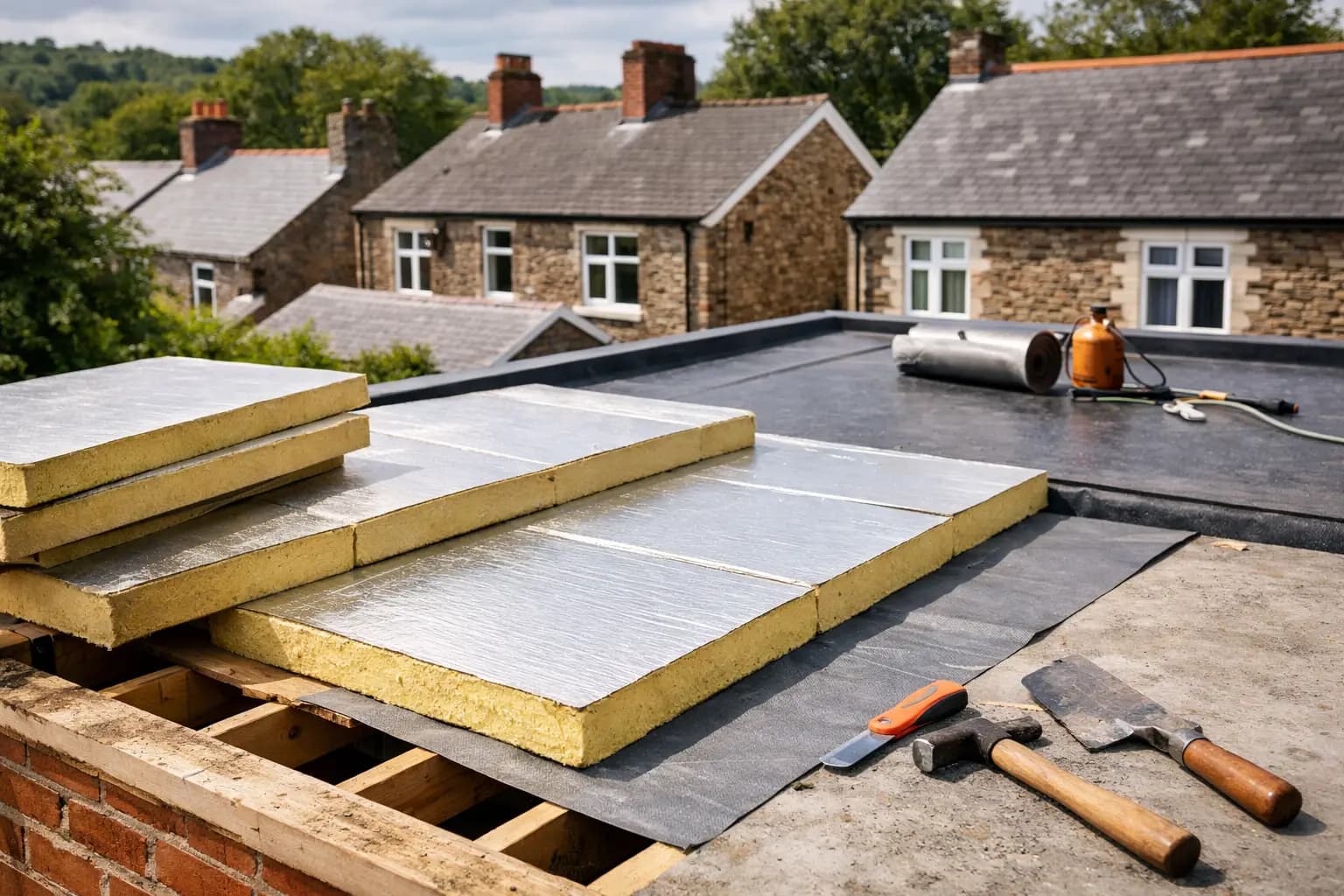
If insulation is being upgraded, it is also worth considering the full roof build-up rather than treating the covering as a separate job. A warm roof construction, where insulation sits above the deck, can improve thermal performance and reduce condensation risk when correctly designed. The right answer depends on the existing roof, the available height at doors and thresholds, and the budget.
Choosing a contractor for an EPDM roof
Before accepting a quote, make sure the contractor has inspected the roof rather than pricing from photographs alone. They should be clear about the proposed materials, how long the work will take, how the property will be protected during the job and what happens if hidden defects are found.
Reliable roofers turn up when agreed, keep the site orderly and leave the customer knowing what has been completed. Roof Renovations Ltd approaches flat roof work with that practical standard in mind, from the initial survey through to the finished details.
An EPDM roof is a strong option when it is matched to the property and installed on a sound, well-drained base. If your flat roof is ageing, leaking or showing signs of ponding, a clear survey and an itemised recommendation will give you a far better basis for action than another temporary repair.
Other Articles