Blog
How to Choose a Local Roofer Without Regrets
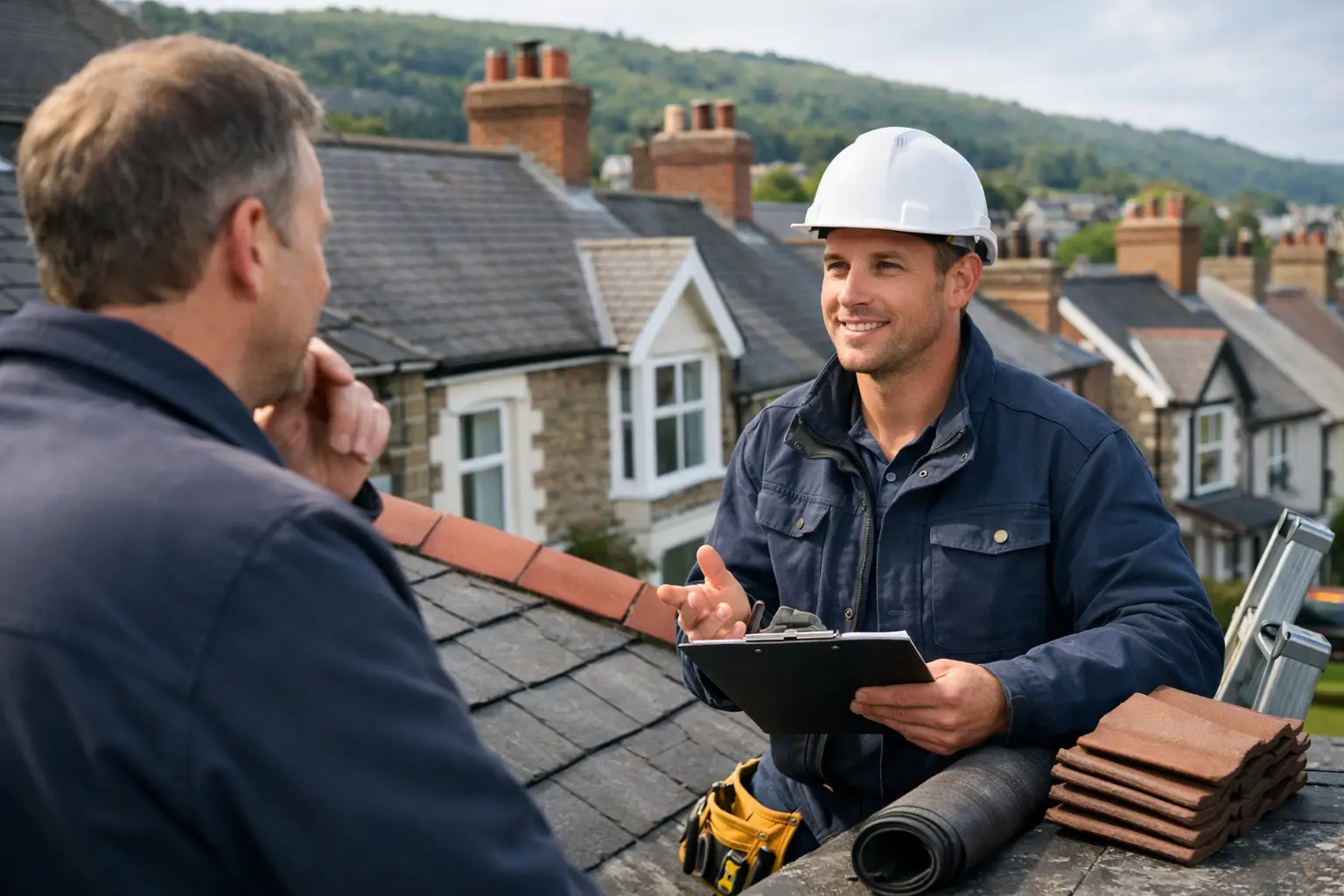
A roof problem rarely arrives at a convenient time. A stain spreading across the ceiling, slipped tiles after high winds or water coming through a flat roof can make anyone want the first contractor who answers the phone. Knowing how to choose a local roofer before agreeing to work helps you protect both your property and your budget.
The right roofer should make the situation clearer, not more confusing. They should inspect the issue properly, explain what they have found in plain English and provide a written price that shows what you are paying for. Whether you need an emergency repair in Cardiff or a new roof for a property elsewhere in South Wales, the same checks apply.
Start with a Proper Roof Survey
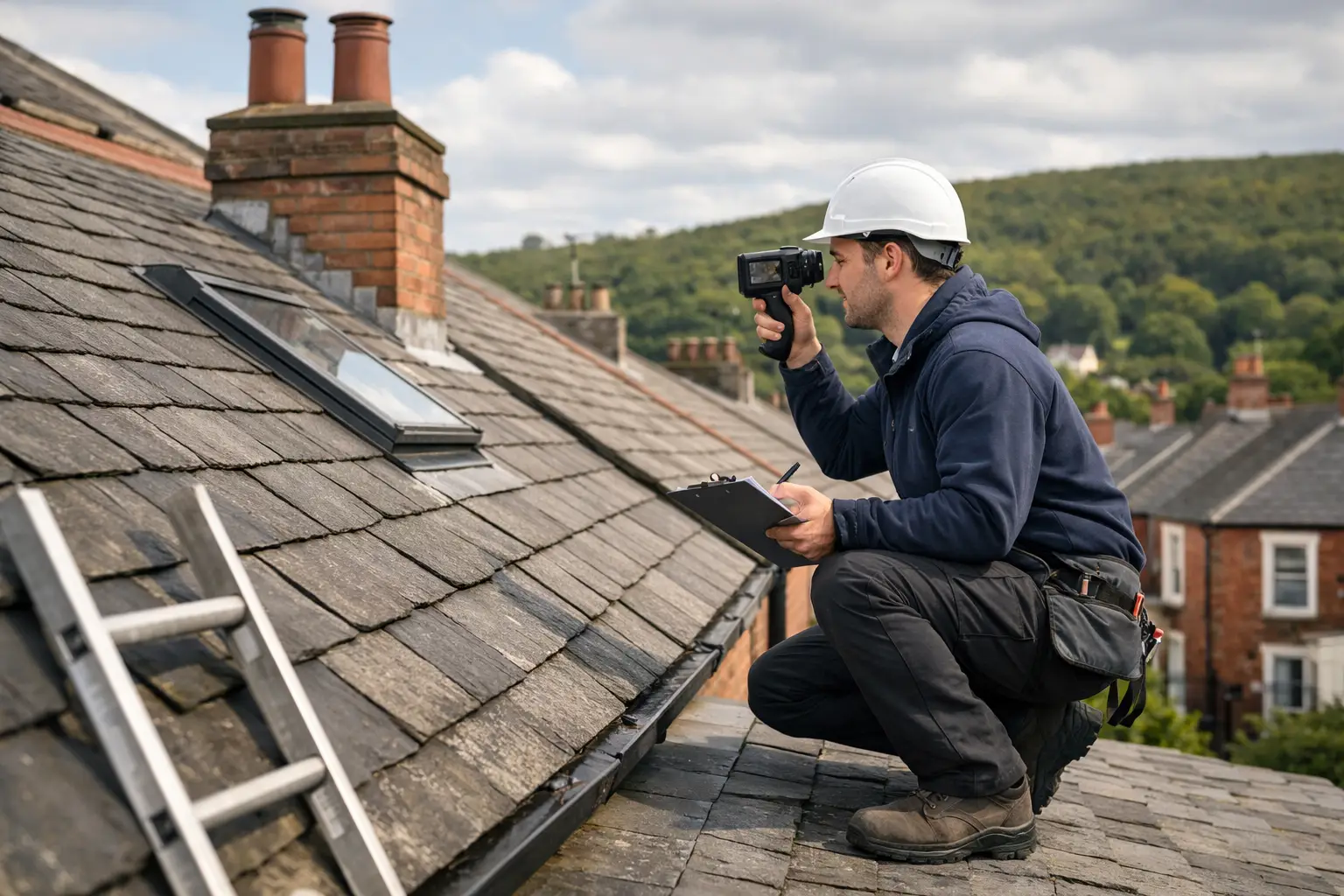
A reliable contractor does not diagnose every roof from ground level or give a fixed price after a quick phone call. Some faults are obvious, but many are not. A visible leak may have started at a cracked tile, worn flashing, blocked valley, damaged membrane or a problem around a chimney.
Ask the roofer how they will inspect the roof and what they expect to assess. For a repair, this should include the likely source of water entry and the condition of the surrounding roof area. For a replacement, it should cover the roof structure, coverings, leadwork, ventilation, gutters and the details where the roof meets walls, chimneys or extensions.
A survey is also your chance to judge communication. You do not need a technical lecture, but you should receive a straightforward explanation of the issue, the recommended work and any options worth considering. If a full replacement is being proposed, ask why a repair would not be suitable. Sometimes replacement is the sensible long-term answer; sometimes a well-planned repair is all that is needed.
Check Relevant Experience, Not Just Years in Business
Experience matters, particularly on older homes and roofs exposed to the wet, windy conditions common across South Wales. However, the most useful question is not simply, “How long have you been trading?” It is whether the contractor regularly carries out work like yours.
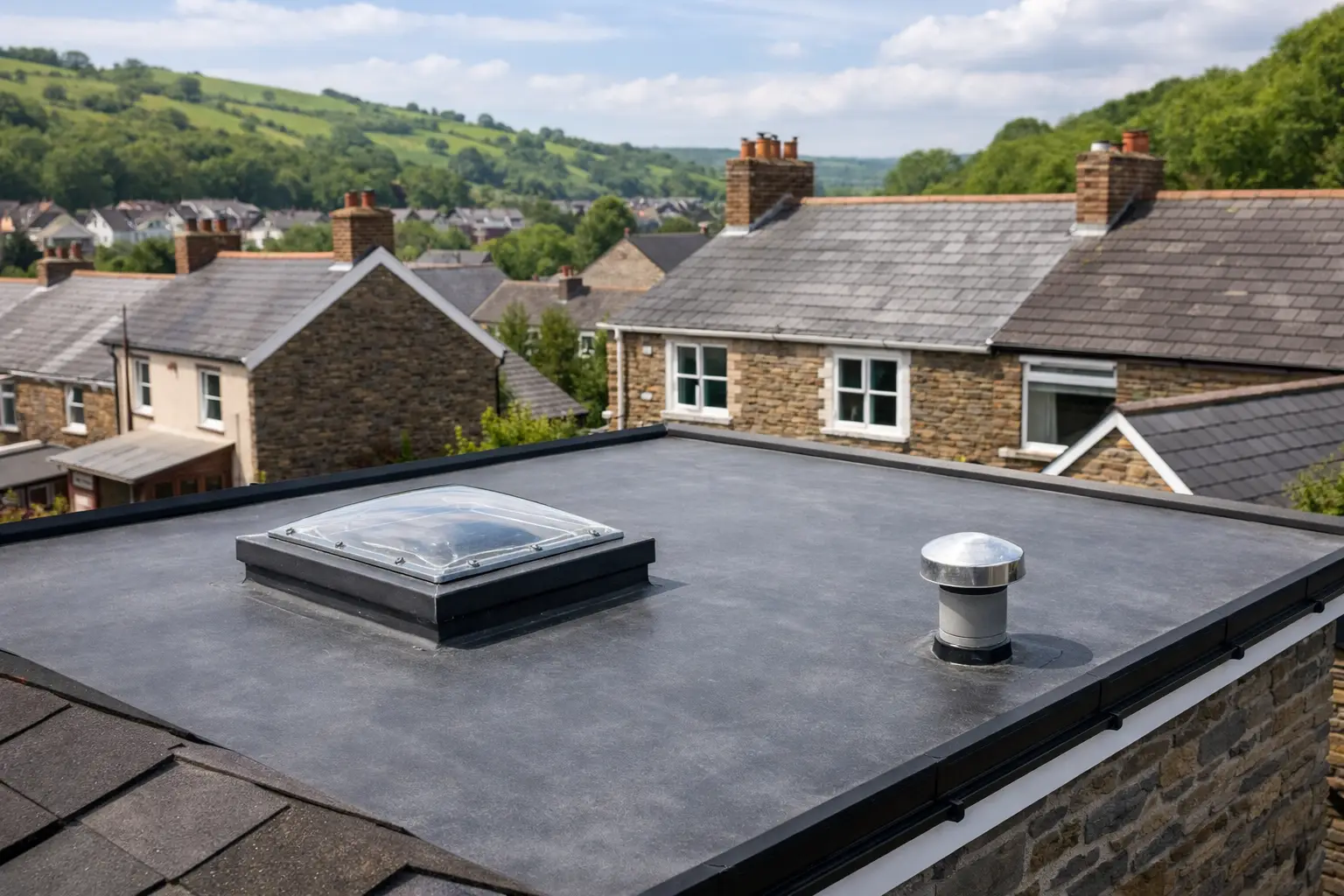
A roofer who mainly handles small repairs may not be the best choice for a full pitched roof installation. Equally, a contractor known for tiled roofs may not be the right fit for a modern flat roof on an extension, garage or dormer. Ask about similar projects and the materials they would recommend for your property.
Local experience has practical value. A roofer familiar with the area will understand the effect of driving rain, exposed locations and older building styles. They should be able to recommend a solution that suits the roof rather than push one product for every job.
Ask for an Itemised Written Quote
A clear quote is one of the strongest signs of a professional contractor. It gives both sides a shared understanding of what will be done and helps prevent disagreement once work has started.
The quote should set out the main materials, labour, access arrangements such as scaffolding, waste removal and VAT where applicable. For larger jobs, it should also state whether items such as replacement battens, membrane, leadwork, fascias, gutters or roof ventilation are included. You should know whether the price covers making good the areas affected by the work.
Do not choose solely on the lowest figure. A cheap quote may exclude essential work, use lower-grade materials or leave you responsible for disposal and unexpected extras. Compare like for like. If one estimate is much lower than the others, ask what it does not include before treating it as a bargain.
It is reasonable to ask how the contractor handles hidden defects. Rotten timber or damaged chimney brickwork may only become visible once coverings are removed. A trustworthy roofer will explain the possibility in advance and agree any additional work and cost with you before proceeding, except where immediate action is needed to make the roof safe.
How to Choose a Local Roofer You Can Verify
Being local should mean more than a nearby phone number. Look for a genuine trading address, a consistent local presence and evidence that the company works regularly in your area. Check recent reviews carefully, paying attention to comments about punctuality, tidiness, communication and how problems were handled.
A few poor reviews do not automatically rule out a contractor. What matters is the overall pattern and whether the feedback sounds specific and credible. Be wary of a long run of vague five-star reviews posted within a short period, particularly if there is little detail about the work completed.
You can also ask for examples of recent similar jobs. For a major installation, a reputable roofer should be comfortable discussing completed work and the type of roof involved. Respect customer privacy, of course, but there is a difference between sensible discretion and having no evidence of previous projects at all.
Confirm Insurance and Workmanship Cover
Roofing involves working at height and can affect the weatherproofing of your home, so insurance is not a minor detail. Ask whether the contractor holds public liability insurance and request confirmation if you would like to see it. This is especially relevant for work involving scaffolding, shared access, neighbouring properties or substantial structural repairs.
Ask what workmanship guarantee is offered, what it covers and how long it lasts. Materials may carry separate manufacturer warranties, but those are not the same as a contractor standing behind the installation itself. Get any guarantee terms in writing rather than relying on a verbal assurance.
The best guarantee is supported by good working practice: suitable materials, proper preparation, correct detailing and a team that does not rush the job. A lengthy promise has limited value if the installation is poor from day one.
Discuss the Work Plan Before It Starts
Roofing can be disruptive, particularly when a full replacement or conversion project is involved. A good contractor should set expectations before the first scaffold pole is delivered. Ask when the work can start, how long it is expected to take and what may cause delays, such as unsafe weather or additional repairs uncovered during the job.
You should also understand how the site will be managed. This includes access, parking, material deliveries, protection for paths and garden areas, daily clean-up and final waste removal. A tidy site is not just about appearances. It reduces avoidable hazards and shows respect for your home and neighbours.
For planned work, it is sensible to discuss payment stages. Avoid contractors who demand the full cost upfront. A reasonable schedule usually reflects progress, with clear amounts agreed before work begins. Emergency repairs can be different because the priority is to stop further damage quickly, but you should still receive written confirmation of the work and charges as soon as practical.
Watch for Pressure and Vague Promises
Most homeowners are not roofing experts, which is why high-pressure sales tactics can be effective. They are also a warning sign. Be cautious if someone claims the roof is dangerous without showing you why, insists that you decide immediately or offers a dramatic discount only if you sign that day.
The following behaviours deserve particular caution:
- A price given without a meaningful inspection of the roof.
- No written quote, scope of work or company details.
- Requests for full payment in cash before materials arrive or work begins.
- Claims that urgent, extensive work is needed but no clear explanation or evidence is provided.
A roof can genuinely require urgent attention after storm damage or a serious leak. In that case, a professional contractor can secure the property first and explain the permanent repair once the immediate risk is under control. Urgency should come from the condition of the roof, not from the salesperson’s timetable.
Choose the Right Solution for the Roof You Have
The best roofing work is not always the biggest job. A sound roof with a localised defect may need targeted repair, while an ageing roof with repeated leaks, brittle coverings and failing underlay may be better replaced in a planned way. The decision depends on the roof’s condition, its age, the extent of damage and your wider plans for the property.
The same applies to materials. A flat roof for a garage may have different requirements from one over a living space. A new roof on a period property may need to retain a certain appearance, while an extension may suit a modern flat roofing system. Ask the roofer to explain the advantages, expected lifespan and maintenance needs of the proposed option.
Roof Renovations Ltd approaches this by surveying the property first, then setting out practical recommendations and an itemised quote so customers can make a decision with the facts in front of them.
Make Your Decision on Trust and Clarity
The contractor you choose will be responsible for one of the main barriers protecting your home from the weather. Price matters, but so do the signs that the company will turn up when promised, keep you informed, protect your property and finish the work properly.
If you are comparing quotes, give extra weight to the roofer who has taken time to understand the job, answered questions directly and put the details in writing. A dependable local roofer should leave you feeling informed rather than pressured. That is usually the best starting point for work that lasts.
Other Articles