Blog
How to Plan a Roof Replacement Without Surprises
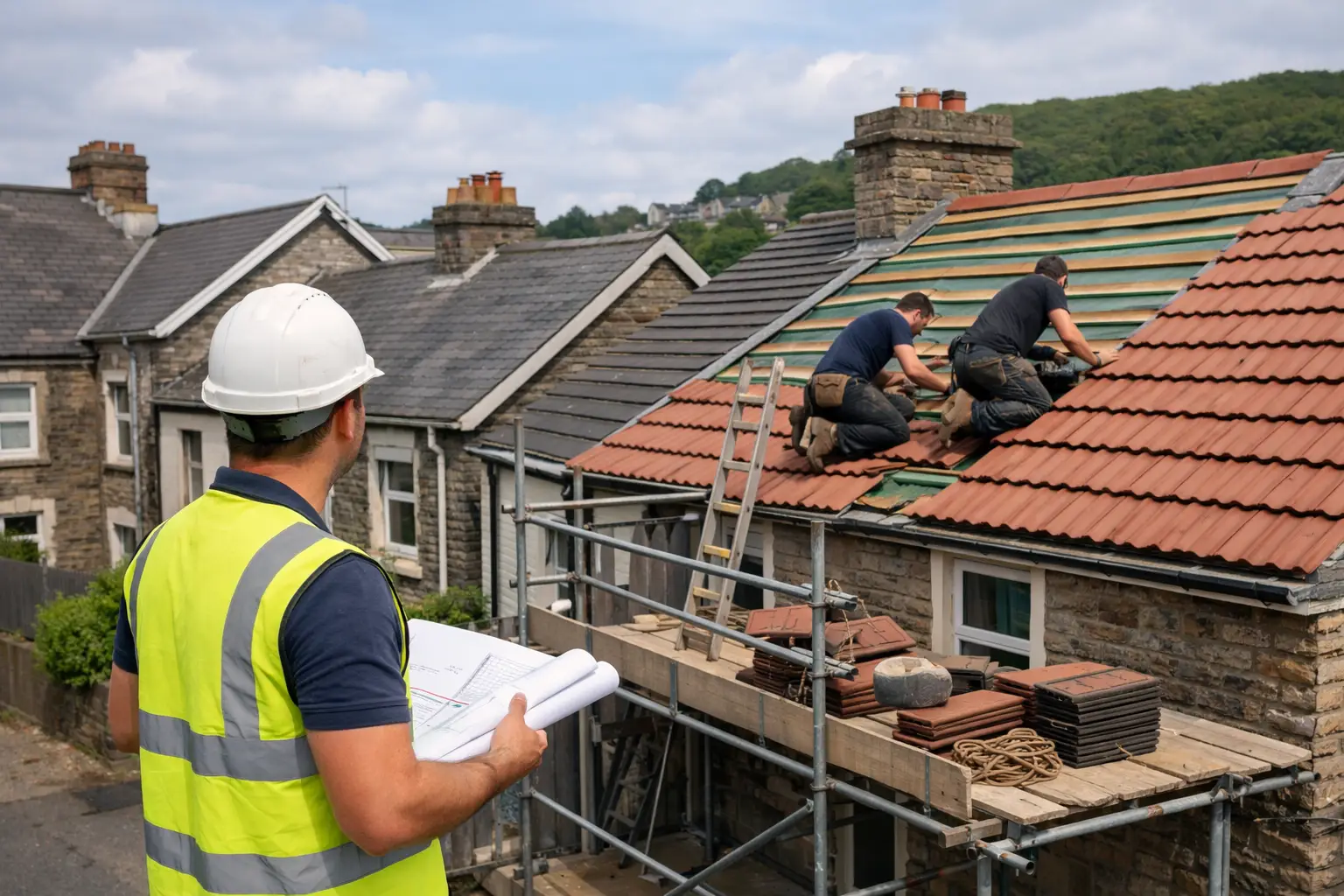
A roof replacement is one of those jobs that can look straightforward from the ground but involves several decisions that affect cost, timing and the long-term condition of your home. Knowing how to plan a roof replacement properly means more than choosing new tiles. It means understanding what is beneath the existing covering, setting a realistic budget and choosing a contractor who will keep the work clear, tidy and on schedule.
For homeowners and landlords, the aim is simple: a sound, weatherproof roof completed with as little disruption and uncertainty as possible. A little preparation before work starts makes that far more likely.
Start with a proper roof survey
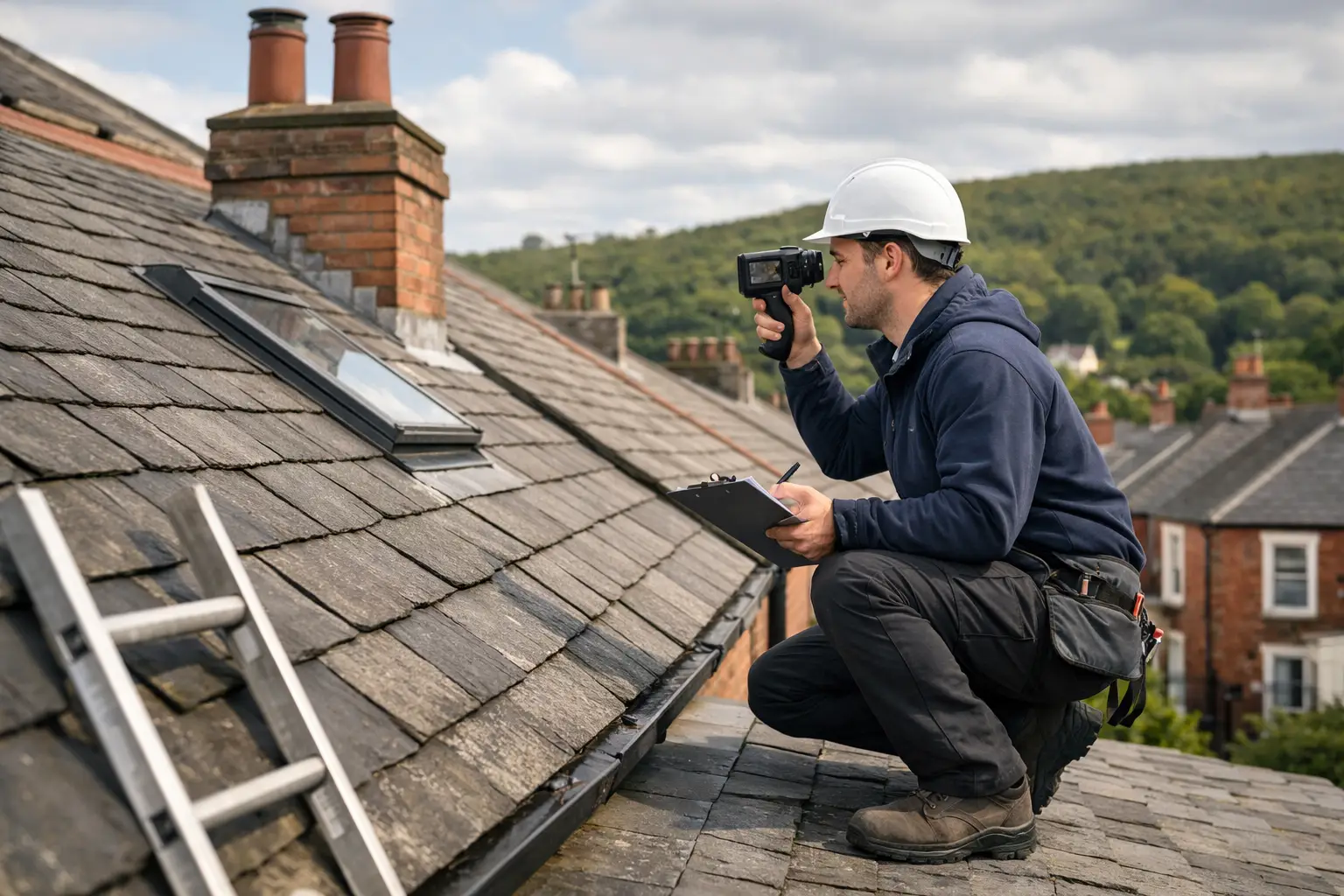
Do not plan a replacement based solely on a few slipped tiles or a damp patch on a bedroom ceiling. Those signs may point to a local repair, but they can also indicate wider problems with ageing felt, battens, flashings, valleys or the roof structure itself.
A proper survey should assess the full roof, including the main covering, ridge tiles, leadwork, chimneys, gutters and roofline. Where access allows, it should also consider the condition of the roof space and whether there are signs of moisture, poor ventilation or timber deterioration.
This is the point at which you establish whether a full replacement is genuinely required. A reputable roofer should explain the findings in plain English and distinguish between essential work and sensible optional improvements. If the roof is generally sound and one area has failed, a repair may be better value. If repairs are becoming frequent, materials are nearing the end of their life or water is getting through in several places, replacement is often the more dependable route.
In South Wales, persistent rain and wind-driven weather put particular pressure on exposed roofs. Details such as secure fixings, correctly formed valleys and properly installed flashings matter just as much as the tiles you can see.
Set a budget around the whole job
The cheapest quote is not always the lowest final cost. Roof replacement pricing can vary because no two properties are exactly alike. Roof size, pitch, access, chimney work, the type of covering, scaffold requirements and the condition of the underlying timbers all affect the price.
Ask for an itemised written quote that sets out what is included. It should make clear whether the price covers removal and disposal of the old roof covering, scaffold, breathable membrane, battens, tiles or slates, ridges, flashings, guttering work and making good afterwards. This avoids the uncomfortable situation where essential elements are described later as extras.
It is also wise to allow a contingency. Once old materials are removed, hidden issues can come to light, such as rotten battens or damaged decking on a flat roof. A good contractor will contact you, explain the issue and agree any additional work before proceeding. Transparent communication is more valuable than an unrealistically low estimate that leaves no room for the actual condition of the roof.
If you are comparing quotes, compare the specification rather than the total at the bottom of the page. A quote for a new covering only is not equivalent to one that includes new membrane, treated battens, leadwork and disposal.
Choose materials that suit the property
Your replacement roof should suit the building, your budget and the exposure of the site. For a pitched roof, concrete tiles are a widely used, durable option and are available in a range of profiles and colours. Clay tiles can suit period properties and offer a distinctive finish, while natural or fibre-cement slates may be appropriate where a lighter or more traditional appearance is needed.
There are trade-offs. Some materials cost more upfront but may better match neighbouring homes or planning expectations. Heavier coverings may need the structure assessed. A like-for-like replacement is often the simplest option, but it is not always the best one if the existing material has performed poorly or is no longer available.
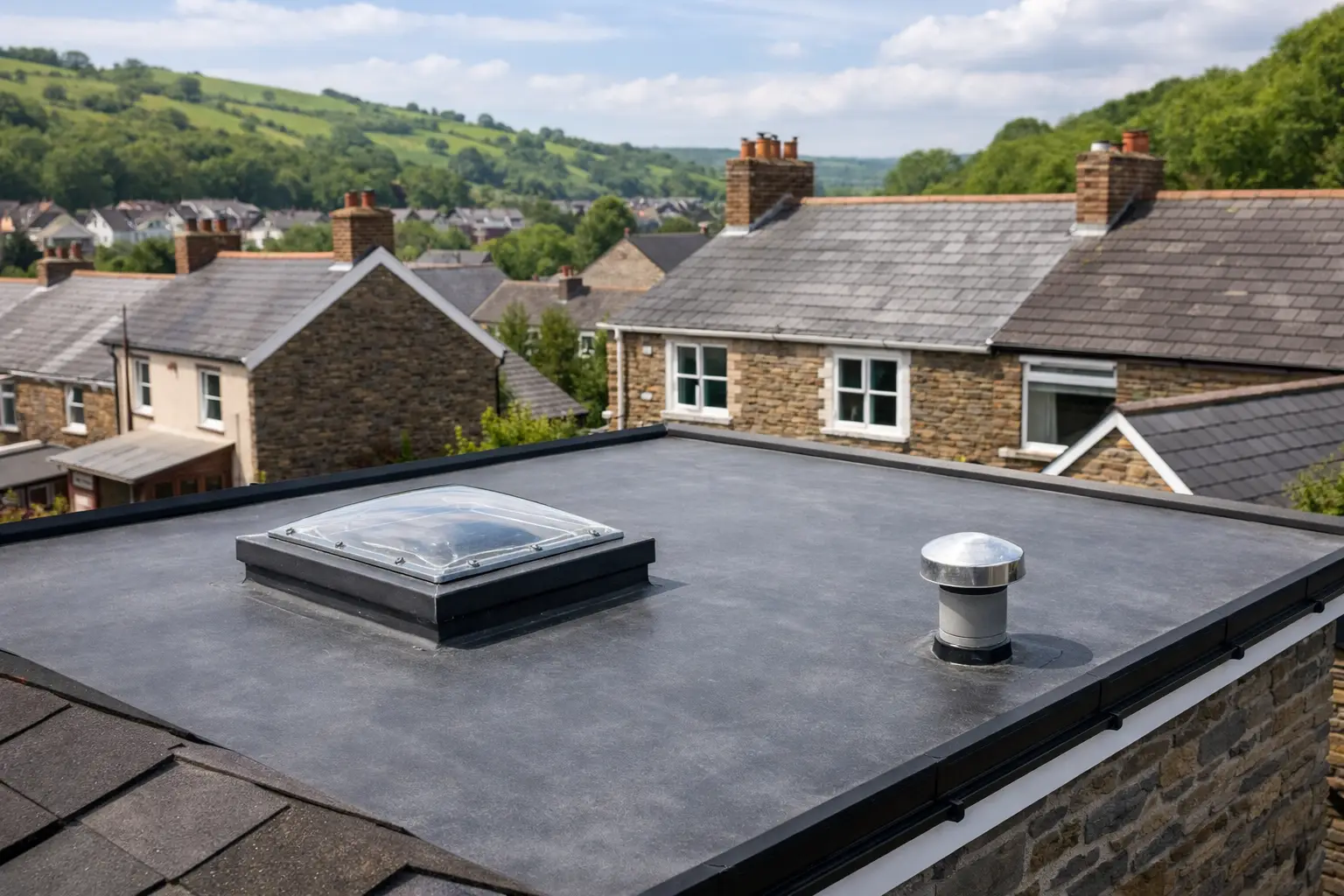
Flat roofs need an equally considered approach. Modern systems such as EPDM rubber, GRP fibreglass and high-performance felt can all provide a long-lasting finish when installed correctly. The right choice depends on the roof’s size, shape, detailing, foot traffic and how it joins the main building. The key is not simply the material name but the quality of the preparation, falls and edge details that keep water moving towards the outlets.
If your property is listed or within a conservation area, check whether there are restrictions before ordering materials. A contractor can advise on the roof work itself, but responsibility for planning or listed building consent should be clarified early.
Plan the timing and access
Roofing work can be completed throughout much of the year, provided conditions are safe and suitable. Dry, settled weather is helpful, but waiting indefinitely for a perfect forecast is rarely practical. An experienced team plans temporary weather protection and works in manageable sections so the property is not left exposed.
The best time to schedule the work depends on urgency. A roof that is leaking, unsafe or losing tiles in high winds should be inspected promptly, regardless of season. For a planned replacement, booking ahead may give you more choice over dates, particularly during busy periods.
Before the start date, discuss access clearly. Scaffold will usually be required for a full replacement, and this may affect driveways, paths, gates and neighbouring properties. Let the contractor know about restricted parking, overhead cables, conservatories, fragile garden features or shared access. If a skip is needed on a public road, permits may be required, so this should be arranged in good time.
Move vehicles away from the work area and protect or relocate garden furniture, pots and anything that could be damaged by dust or falling debris. Roofing is inevitably noisy for parts of the day, especially when old coverings are being removed. Giving neighbours a courteous warning can prevent unnecessary friction.
How to plan a roof replacement with less disruption
A well-run project has a clear sequence. You should know when scaffold is due to go up, when the roofing team will start, what working hours to expect and how long the job is likely to take. Weather and unexpected defects can affect the programme, but you should not be left chasing updates.
Inside the house, take a few sensible precautions. Clear valuable items from the loft and cover stored belongings, as dust can work its way through gaps while the old roof is stripped. If you have a loft conversion, protect furniture and make the team aware of any sensitive ceilings, lighting or access points.
Outside, a tidy site is a sign of professional control, not an optional extra. Materials should be stored safely, access kept as clear as possible and waste removed or contained. At the end of the project, check that gutters have been cleared, debris has been collected and any disturbed areas have been left in good order.
It also helps to agree one main point of contact before work begins. Questions arise on every substantial job, and quick decisions about a tile choice, a discovered defect or an access issue prevent delays.
Check the specification before work starts
Before accepting the quote, confirm the key details in writing. You should know the roofing system being installed, the colour and profile of tiles or slates, the treatment of ridges and verges, and what will happen around chimneys, skylights and abutments.
Ask how ventilation will be addressed. A new roof covering can make an older roof space more airtight, and poor ventilation may contribute to condensation. The appropriate solution depends on the construction of your roof and loft, but it should be considered rather than ignored.
You should also ask about workmanship guarantees and manufacturer-backed cover where applicable. Read what is covered, for how long and whether there are conditions attached. A guarantee is reassuring, but careful installation and a contractor who remains accountable are what give it value.
Choose a contractor you can rely on
A replacement roof is not the job to award on price alone. Look for clear written quotations, evidence of relevant experience, proper insurance and a willingness to answer direct questions. Be cautious if you are pressured to decide immediately, offered a vague cash-only deal or given a price without a thorough inspection.
The right contractor will be realistic about timescales, explain any uncertainty before work begins and treat your home with respect while the job is underway. At Roof Renovations Ltd, that means punctual attendance, straightforward advice and a tidy, durable finish suited to the weather conditions homes face across South Wales.
A new roof should leave you with fewer worries, not a list of loose ends. Take the time to survey the property properly, agree a full specification and choose people who communicate clearly. Then, when the next spell of heavy rain arrives, you can be confident the roof above you is ready for it.
Other Articles