Blog
Roof Replacement Cost for South Wales Homes
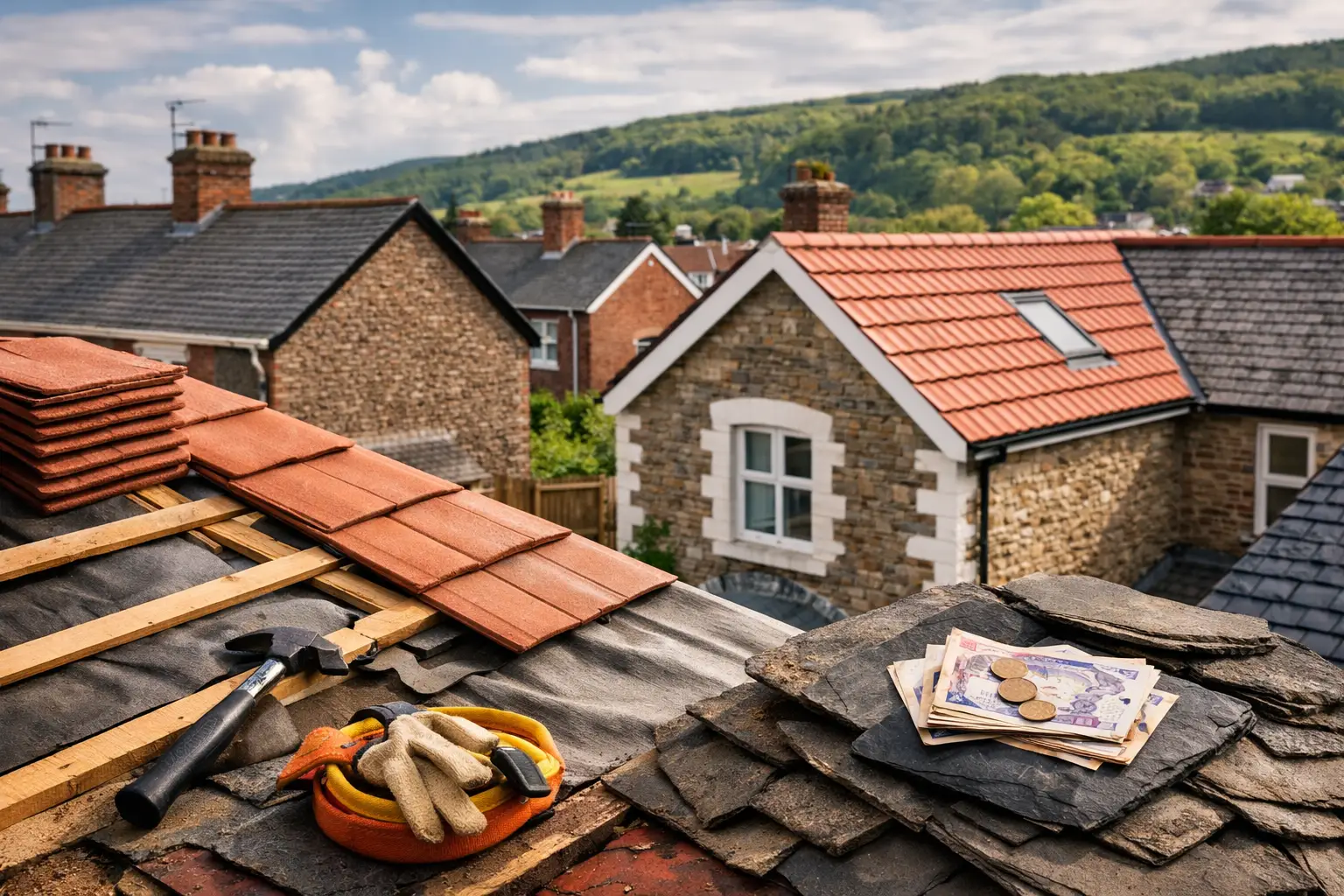
A roof that is repeatedly leaking, dropping tiles or showing clear signs of age is rarely a problem that becomes cheaper by waiting. Roof replacement cost is one of the first questions homeowners ask, and rightly so. The answer depends on the roof itself, access to the property and the standard of work required to leave the home properly weatherproof for years ahead.
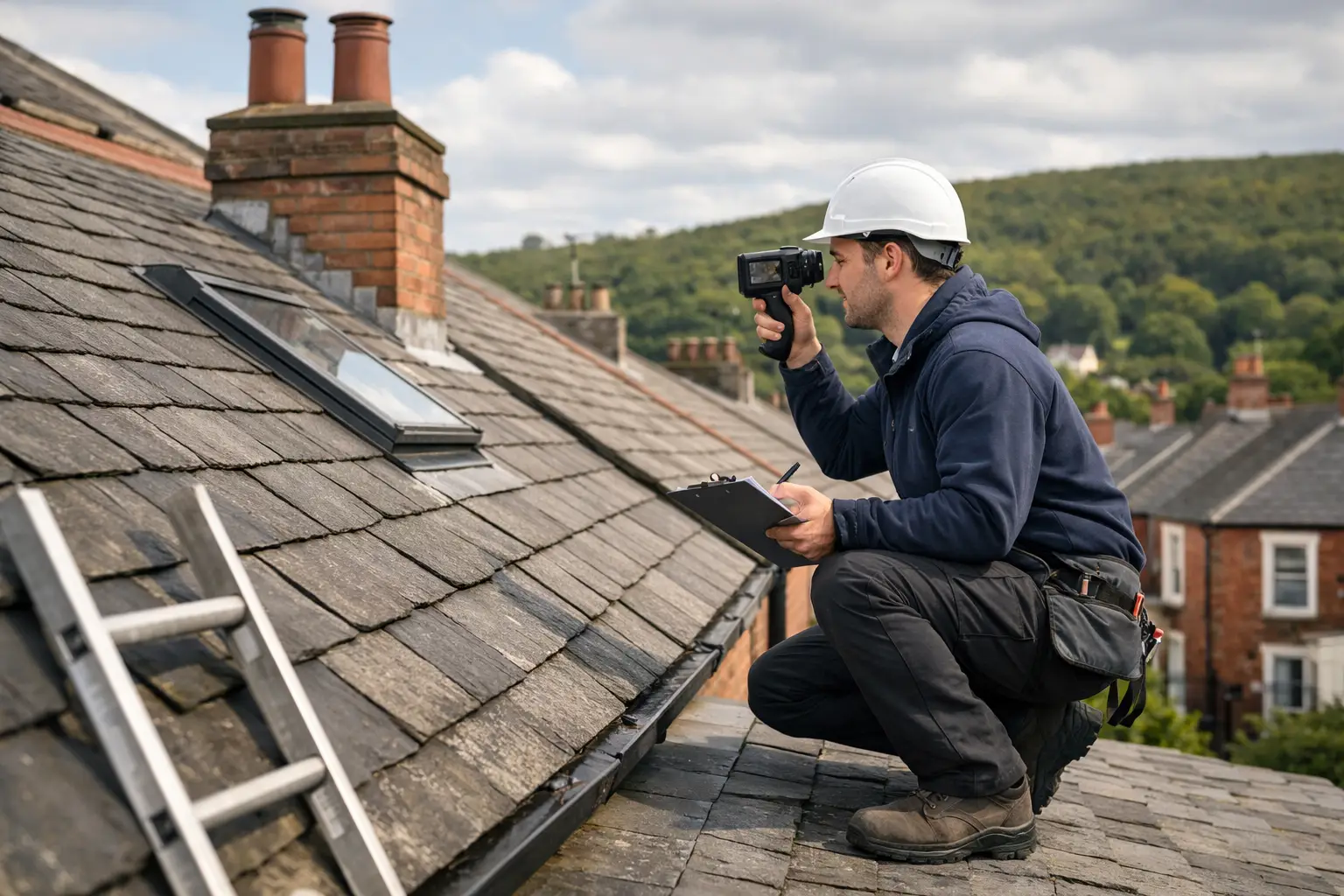
A proper price should not be a guess made from the pavement. It should follow a survey that identifies the condition of the covering, timbers, leadwork, valleys, chimney details and rainwater goods. That is how you avoid a low initial figure becoming a much larger bill once work has started.
What does a roof replacement cost?
For a typical South Wales home, a full pitched roof replacement can range from around £6,000 to £18,000 or more. Smaller, straightforward terraced properties may sit towards the lower end of that range, while larger detached houses, steep roofs and properties with complex details can cost considerably more.
These figures are useful for early budgeting, but they are not a substitute for a written quote. Two houses that look similar from the road can need very different work. One may only require a new covering and associated details, while another may have failing battens, worn underfelt, damaged timber or chimney work that needs attention before the new roof can be fitted correctly.
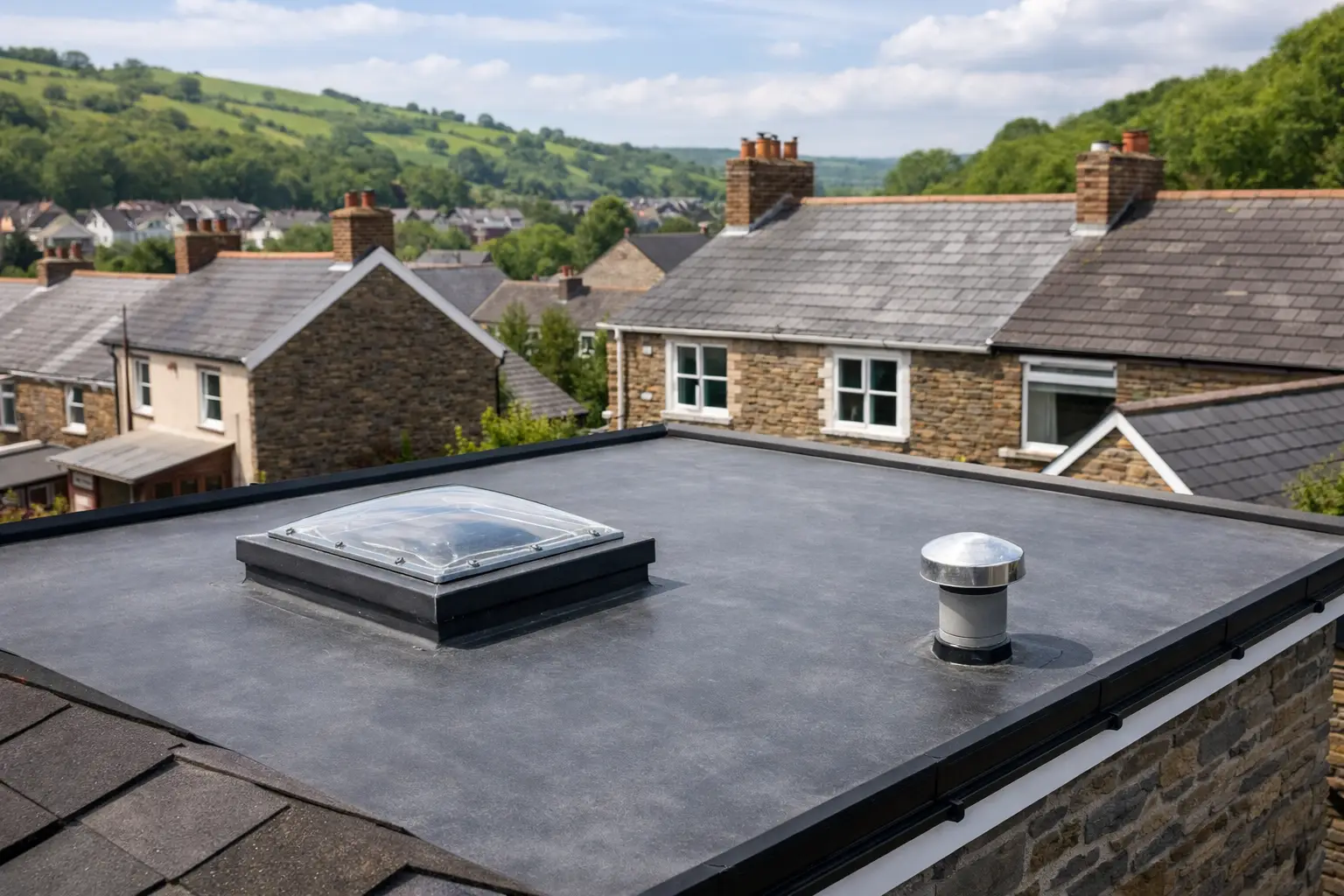
For flat roofs on garages, extensions and dormers, costs are normally based on the size of the roof, the existing deck condition, insulation requirements and the chosen system. A small flat roof repair is very different from installing a complete new flat roof with upgraded insulation, new trims and proper drainage falls.
The main factors behind roof replacement cost
The size of the roof is an obvious factor, but square metres alone do not tell the whole story. Roof shape, pitch and access can make a significant difference to the labour, scaffold and materials needed.
Roof type and complexity
A simple two-sided roof is generally quicker to strip and recover than a roof with multiple valleys, hips, dormers, skylights or extensions. Every junction needs careful detailing to prevent water getting in. Those details take time and materials, but they are not areas where cutting corners makes sense.
Chimneys can also affect the final cost. Repointing, replacing lead flashings, rebuilding loose brickwork or fitting new chimney pots may be sensible while scaffold is already in place. It can add to the immediate budget, but may prevent the need for a separate repair job shortly afterwards.
Material choice
Concrete tiles are widely used and can offer good value, while clay tiles, natural slate and specialist roof systems usually cost more. The right choice should suit the property, the local area and the roof structure, rather than simply being the cheapest option available.
Slate, for example, can be an excellent long-term material but requires skilled fitting and can increase labour costs. A homeowner replacing an existing slate roof may also need to consider planning restrictions or the appearance of neighbouring properties, particularly in older streets and conservation areas.
What is found beneath the old covering
Until old tiles or slates are removed, it is not always possible to see every part of the roof structure. A reliable contractor should explain this clearly before work begins. If rotten battens, damaged rafters or deteriorated decking are found, they should be photographed, discussed and priced openly before additional work goes ahead.
This does not mean every project will uncover major problems. It means the quote should set out what is included, what assumptions have been made and how any genuinely unforeseen issues will be handled.
Access, scaffolding and waste removal
Safe access is essential. Scaffolding protects the workforce, helps work progress efficiently and reduces the risk of damage to gutters, paths and garden areas. Its cost will vary according to property height, access restrictions and how much of the building needs to be covered.
A full replacement also creates a substantial amount of waste. The removal and disposal of old tiles, felt, battens and associated materials should be included in the quote. It is worth checking this point, as a vague price can leave customers facing extras that should have been clear from the start.
What a proper replacement quote should include
When comparing roof replacement costs, do not compare the bottom line alone. Ask what is actually included in each proposal. A lower figure may exclude scaffolding, waste removal, new underlay, battens, leadwork or replacement guttering. Those omissions can make a quote look attractive while failing to cover the work required.
A clear, itemised quote should explain the proposed materials, the scope of stripping and replacement, scaffolding arrangements, disposal, any associated repairs and the expected timescale. It should also make clear whether fascias, soffits, gutters and downpipes are included or priced separately.
For most homeowners, an itemised quote brings more reassurance than a one-line estimate. You can see where the money is going and make sensible decisions before the work starts. If you want to change materials or add related work, the effect on the price can be discussed upfront rather than becoming a surprise halfway through the job.
Is a repair better value than a new roof?
Not every roof needs replacing. A few slipped tiles, localised flashing damage or a small leak around a valley may be repaired effectively, particularly where the rest of the roof remains in sound condition. A good survey should distinguish between a repairable fault and a roof that has reached the end of its working life.
However, repeated patch repairs on a roof with widespread wear can become false economy. If underfelt is failing across the roof, tiles are brittle, several areas leak and the roof has already been repaired multiple times, a replacement may offer better value over the long term. It also gives the opportunity to renew details that are difficult to access once the roof covering is back in place.
The key is honest advice. Homeowners should not be pushed into a replacement where a repair will do, but neither should they spend money repeatedly chasing leaks caused by a roof that is no longer reliable.
Ways to plan the cost without compromising the work
If a replacement is needed, planning the project properly can make the process more manageable. Arrange a survey before a small leak becomes internal damage to ceilings, insulation and electrics. Water ingress is rarely contained to the visible stain.
It can also be practical to combine related exterior work while access is in place. Replacing tired fascias, soffits or guttering at the same time may reduce disruption and prevent a new roof being paired with old components that are close to failure. That said, only include additional work that is genuinely needed and affordable for the project.
Be cautious of quotes that are dramatically lower than the others. The difference may be legitimate, but it deserves a direct question: what materials, safety measures, preparation and finishing work have been allowed for? A roof is not just tiles or slates. Its performance depends on the layers and details underneath, along with the care taken at every edge and junction.
Getting a clear figure for your home
The most useful next step is a site survey by an experienced roofing contractor. This allows the roof to be assessed properly, measurements to be taken and the condition of the existing structure to be considered. It also gives you the chance to ask straightforward questions about materials, timings, access and what happens if hidden damage is uncovered.
Roof Renovations Ltd provides clear, itemised quotations for homeowners and property owners across South Wales, with practical advice on whether repair or replacement is the sensible route. A dependable roof should not come with confusion around the work or the price.
If your roof is ageing, leaking or has suffered storm damage, arranging a survey early gives you more control over the timing and budget. It is far easier to plan a replacement on your terms than to make rushed decisions after water has found its way into the house.
Other Articles