Blog
Felt Roof Versus EPDM Membrane Which Is Best?
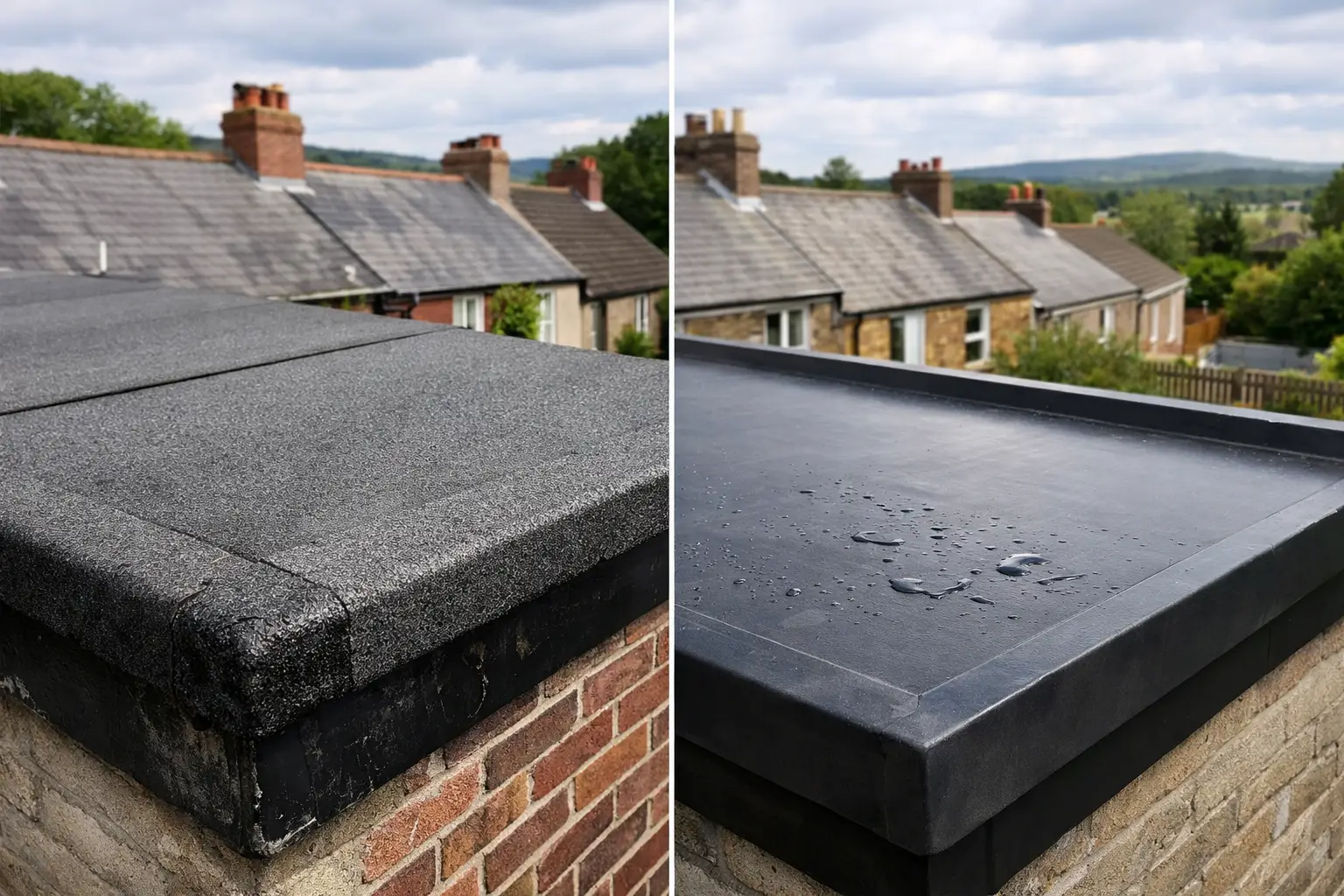
A flat roof that begins to leak rarely waits for a convenient time. Whether it is over a garage, kitchen extension or porch, the choice between a felt roof versus EPDM membrane affects how well that roof handles rain, wind, standing water and everyday wear for years to come. Both systems can provide a dependable finish when specified correctly and fitted properly. The right option depends on the roof itself, your budget and the condition of the existing structure.
What is a felt roof?
Modern felt roofing is not the thin, short-lived material some homeowners remember from older sheds and garages. A quality felt flat roof is normally a multi-layer system, built up with reinforced bitumen layers and finished with a mineral surface. It is fitted using heat, adhesive or a combination of methods, depending on the roof design and materials involved.
Felt remains a popular choice for extensions, garages, bays and outbuildings because it is versatile and familiar. It can be shaped around roof details, outlets, corners and changes in level. When the roof deck, insulation, flashings and edges are all properly prepared, a modern felt system can give reliable weather protection.
Its performance is not simply about the visible top layer. A flat roof needs the right falls so water can drain, sound edge details, properly sealed joints and careful work around pipes, walls and rooflights. These details matter with every roofing material.
What is an EPDM membrane?
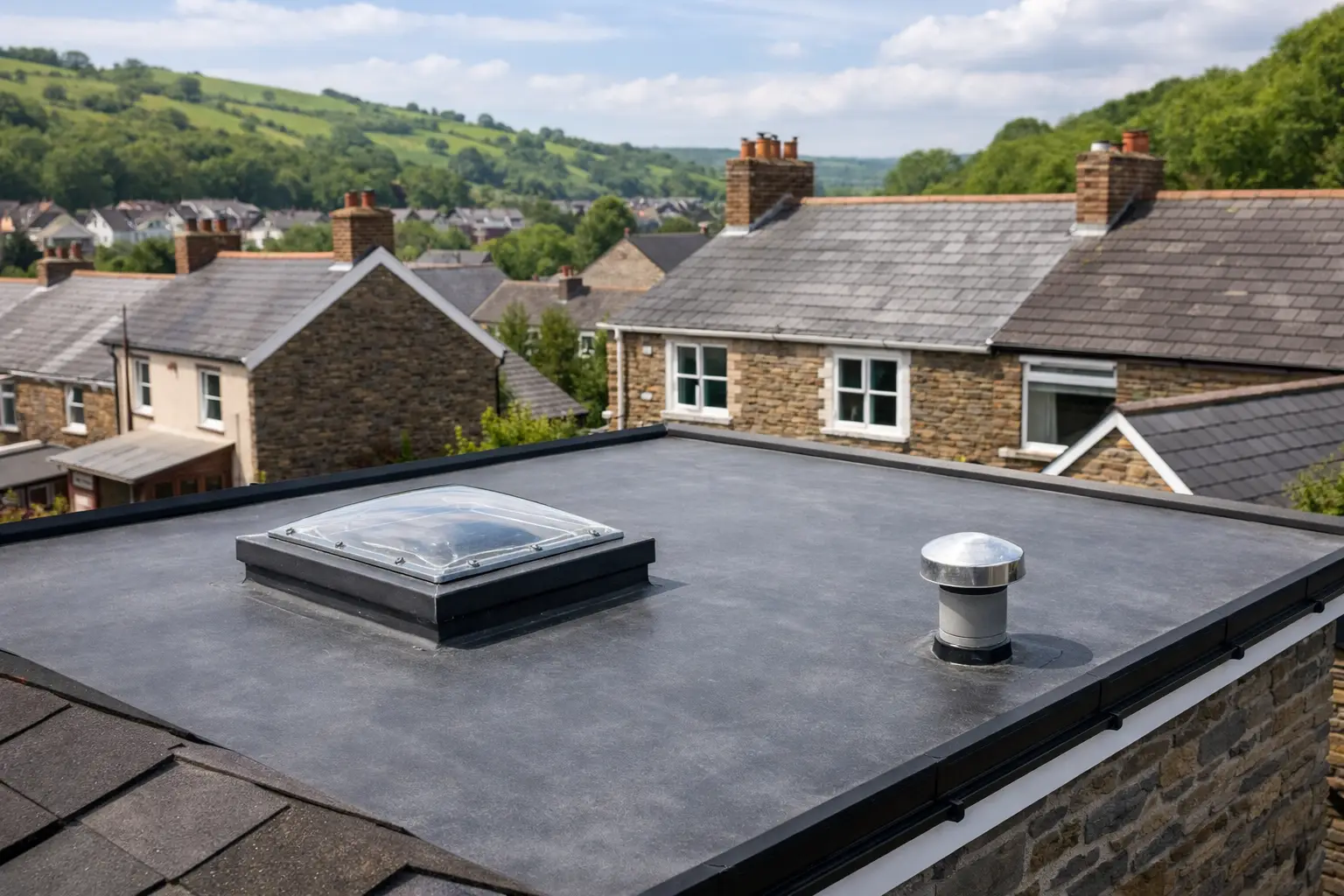
EPDM is a flexible synthetic rubber membrane used on flat and low-pitched roofs. It is commonly supplied in large sheets, which means a straightforward roof can often be covered with few seams. The membrane is bonded to a prepared roof deck, with trims and flashing details installed around the perimeter and any penetrations.
The finished surface is plain, dark and flexible. EPDM is known for coping well with changes in temperature, as the material can move slightly without becoming brittle. That makes it particularly suitable for roofs exposed to the wet, changeable conditions often seen across South Wales.
A good EPDM installation still depends on preparation. The deck must be stable and dry, the adhesive must be applied correctly, and the edges must be securely finished. A membrane is only as dependable as the workmanship beneath and around it.
Felt roof versus EPDM membrane: the key differences
Lifespan and long-term performance
Both materials can last well when installed by an experienced roofer and maintained sensibly. As a general guide, a well-fitted modern felt roof may provide around 15 to 25 years of service, while EPDM can often last 25 years or more. Actual lifespan will vary with the product specification, the exposure of the roof, drainage and the standard of installation.
EPDM generally has the advantage where flexibility is concerned. It does not rely on as many overlaps across an uncomplicated roof area, and it is less likely to crack as it ages. Felt is still a strong practical option, particularly where a roof has awkward details that need a system capable of being formed neatly around them.
Joints, water and weather exposure
Standing water is a warning sign on any flat roof. Neither felt nor EPDM should be expected to compensate for poor drainage or a sagging deck. Water that remains on the surface for long periods places extra strain on seams, outlets and roof edges.
EPDM's larger sheet sizes can reduce the number of joints across the main roof area. Fewer seams can mean fewer potential weak points, especially on a simple rectangular garage or extension roof. Felt systems use lapped layers, but these are highly effective when heat-welded or bonded correctly and finished with care.
Wind exposure also deserves attention. Roofs in open locations, on elevated properties or near the coast need secure perimeter details. Loose trims, failing flashings and poorly bonded edges cause problems regardless of the membrane chosen.
Appearance and suitability for the property
EPDM has a clean, uniform rubber finish that suits many modern extensions and garages. Felt has a more traditional mineral surface, usually black or dark grey, and can blend well with existing flat roof areas. Appearance is rarely the only deciding factor, but it can matter on a visible bay roof or extension.
If access will be needed for occasional maintenance, such as clearing gutters or checking a rooflight, tell the roofer during the survey. Neither material should be treated as a regular walkway unless the roof has been designed with suitable protection in place.
Cost: look beyond the first quote
Felt is often less expensive at the outset, particularly for smaller roofs. It can offer good value where the roof is in a straightforward location and a full replacement is needed without stretching the project budget.
EPDM may cost more initially, but its longer expected service life and lower number of seams can make it better value over time. That does not automatically make EPDM the right answer for every property. A low quote for either system can become expensive if it leaves out essential items such as deck repairs, insulation upgrades, new fascias, guttering adjustments, leadwork or proper edge trims.
A clear, itemised quote should explain what is being removed, what is being renewed and how the roof will be finished. It should also make clear whether rotten decking or hidden structural issues would be charged separately if found after work begins. Straight answers at the quote stage prevent unwanted surprises later.
Repairs and future maintenance
Small damage can often be repaired on both felt and EPDM roofs, provided the surrounding material remains sound. Felt repairs may involve patching and resealing the affected area. EPDM repairs are normally carried out with compatible primer and patch materials, creating a bonded repair over a clean, prepared surface.
The condition of the wider roof is what matters most. If a felt roof has widespread cracking, blistering, lifted edges or repeated leaks, patching may only delay a full replacement. The same applies where an EPDM roof has failed because the deck below has deteriorated or water is unable to drain away.
A quick visual check after heavy weather is worthwhile. Look for blocked outlets, lifted trims, damaged flashing, pooling water and visible splits. Do not climb onto a roof if it is unsafe or slippery. A prompt inspection is usually far cheaper than allowing a small leak to damage insulation, ceilings and timbers.
Which option is right for your roof?
EPDM is often the stronger choice for a simple flat roof where long service life, flexibility and a low-seam finish are priorities. It works particularly well on garages and extensions with a sound deck, good drainage and uncomplicated detailing.
Felt can be an excellent option where budget is a key consideration, where the roof shape has more complex details, or where a compatible felt system is already in place. Modern felt should not be dismissed based on poor experiences with older materials. A properly specified, multi-layer felt roof is a serious roofing system, not a temporary cover.
The decision should also account for what sits beneath the covering. If the roof has insufficient falls, soft decking, damaged joists or poor insulation, changing the top membrane alone will not solve the underlying problem. A proper survey should identify these issues before work is priced.
For homeowners planning an extension or garage upgrade, it can also be worth considering the whole roofline at once. Replacing worn fascias, gutters or defective wall flashings during the roofing work can protect the new roof finish and avoid paying for access twice.
Start with a proper roof survey
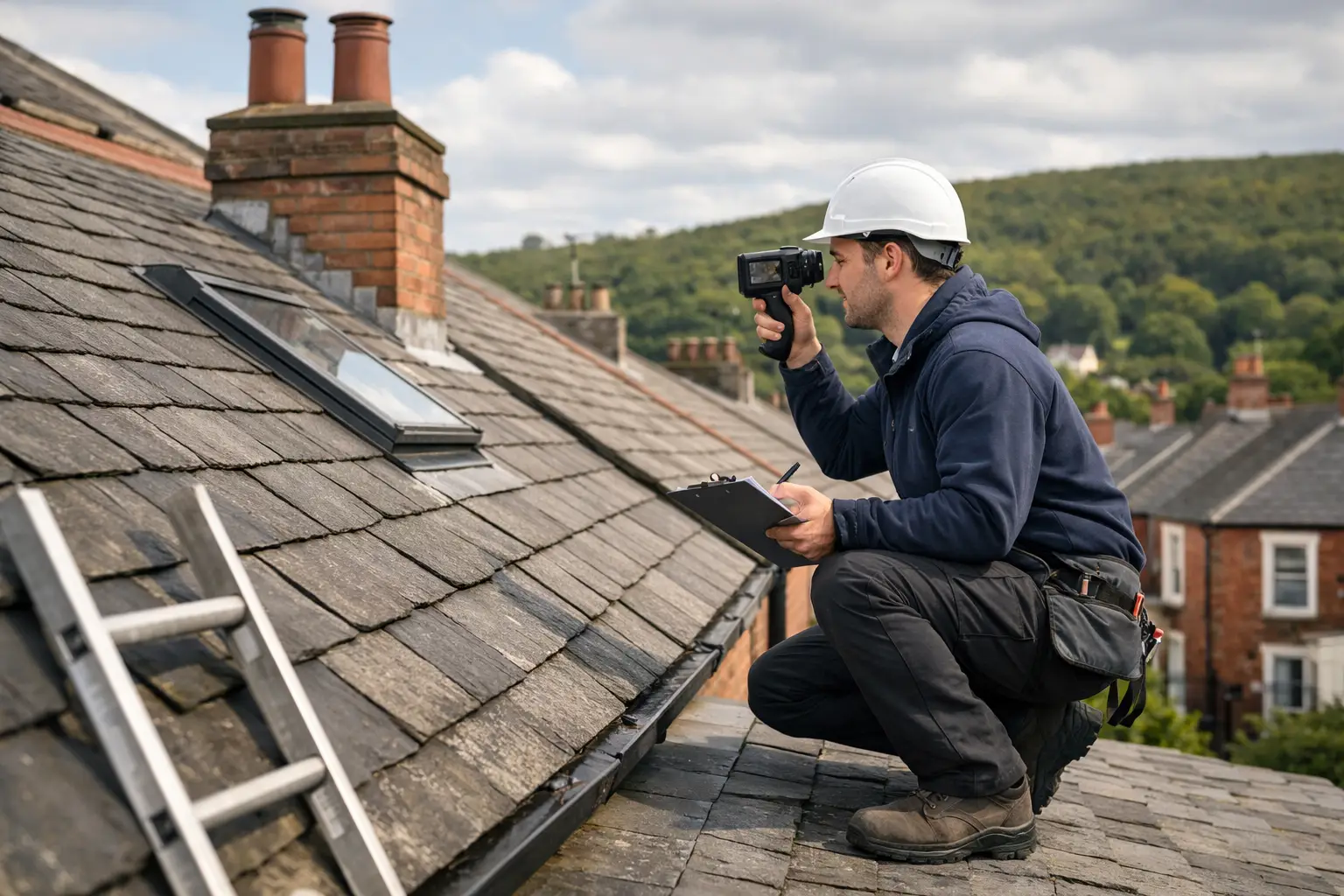
The best material is the one that suits your roof and is installed without shortcuts. An experienced roofer should inspect the existing covering, deck condition, drainage, roof edges, adjoining walls and any signs of trapped moisture before recommending felt or EPDM.
At Roof Renovations Ltd, the focus is on explaining those findings in plain English and providing a clear scope of work, so you know what is being repaired or replaced before the job starts. For a roof that has already leaked, acted on storm damage or simply reached the end of its life, arranging a survey early gives you more choice and helps keep a manageable job from becoming an urgent one.
Other Articles