Blog
Flat Roof Installation Guide for Homeowners
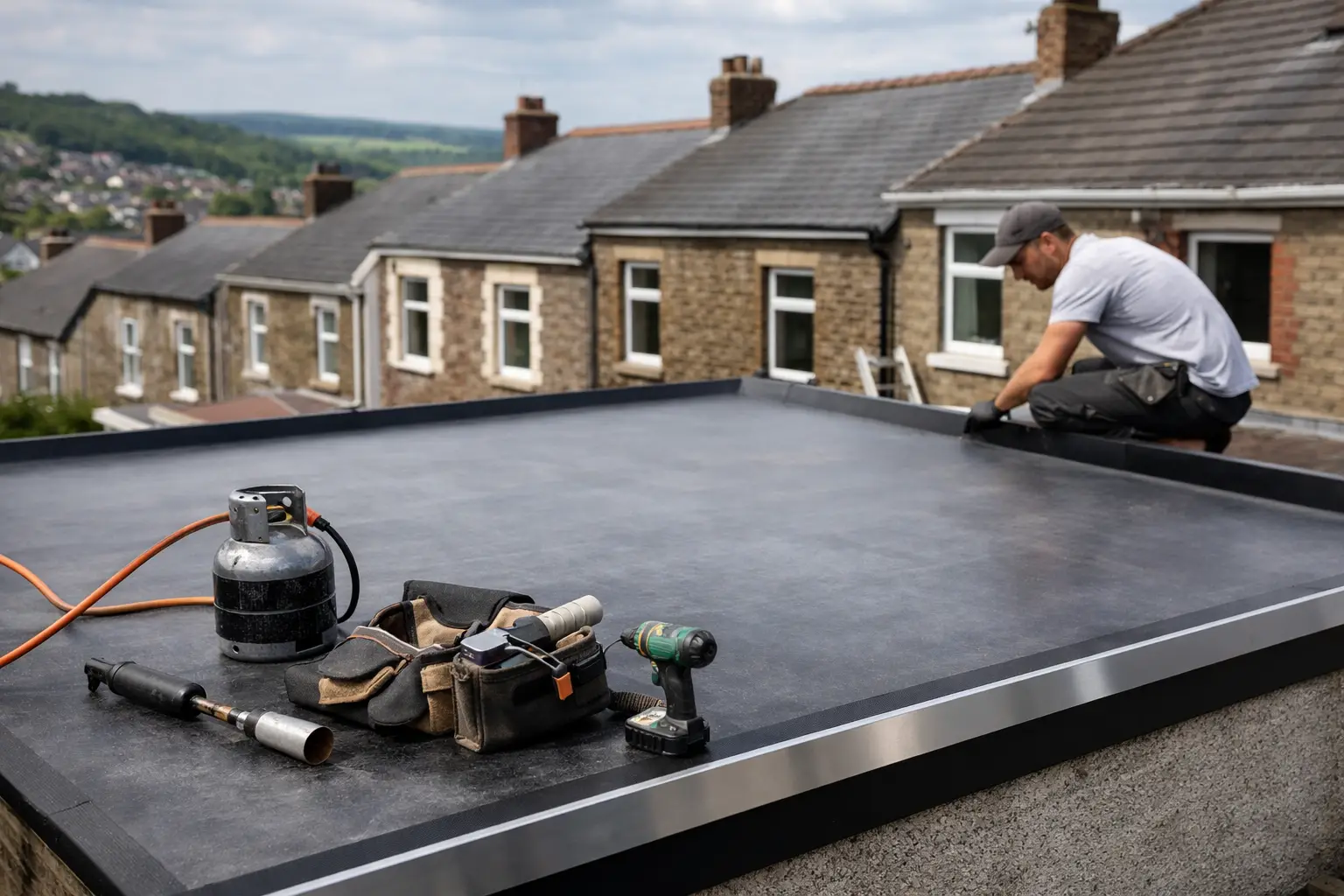
A flat roof should not be treated as a cheaper or simpler version of a pitched roof. It has to carry rainwater safely to the right outlets, resist wind-driven weather and remain watertight around every edge, joint and roof penetration. This flat roof installation guide explains what a properly planned installation involves, so you can make a sound decision for a home extension, garage, porch or dormer roof.
Start with the roof's condition and purpose
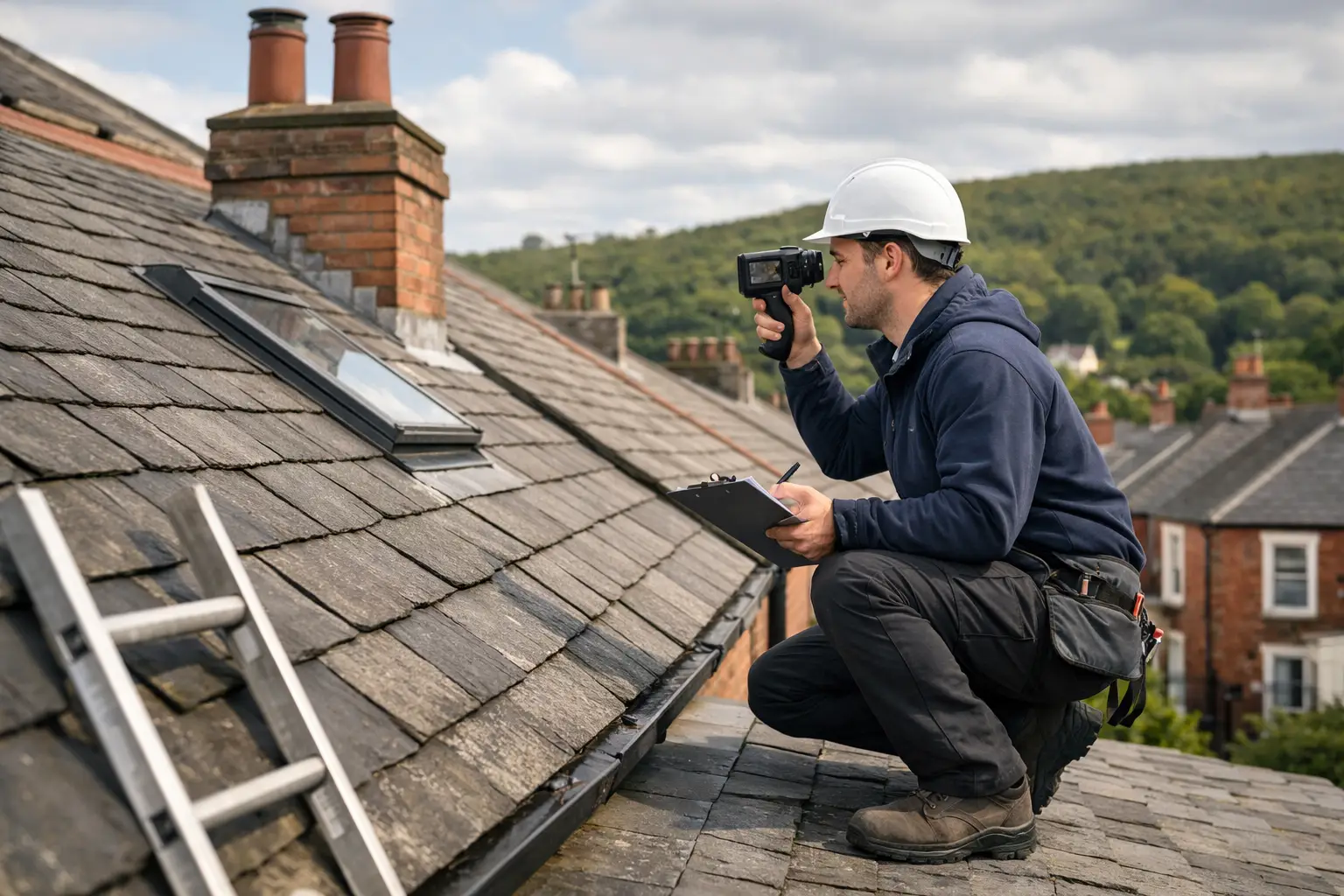
The first question is not which covering looks best. It is whether the existing roof structure is sound enough for the new system. On a replacement project, a contractor should inspect the deck, joists, fascias, roof edges and any signs of trapped moisture before quoting for the work.
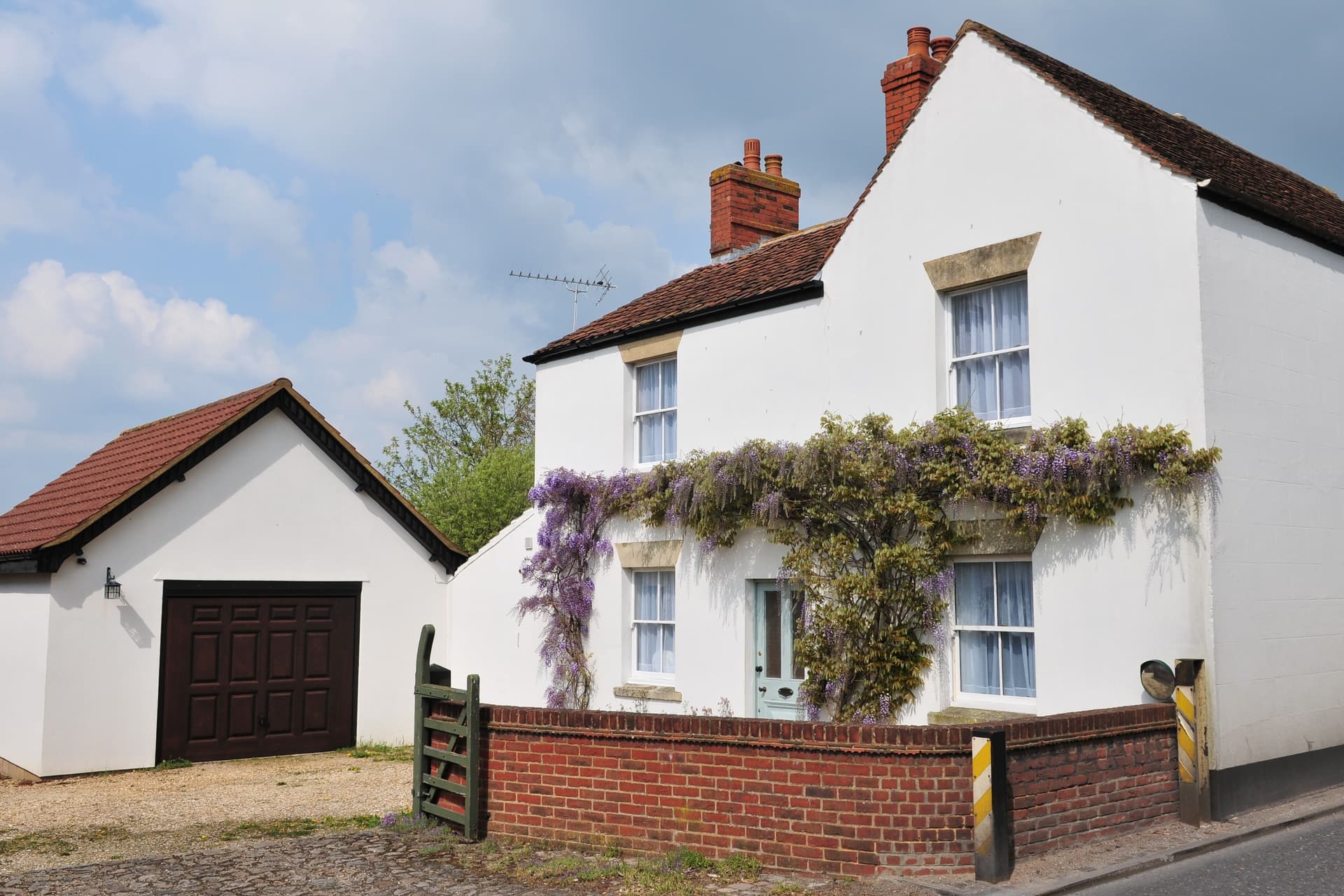
A small garage roof and a large extension roof may both be flat, but they do not necessarily need the same specification. A roof over a heated extension needs particular care around insulation and condensation. A garage may have different access requirements, drainage arrangements and expectations for future use. If solar panels, a rooflight or a roof terrace are planned, these must be considered at the design stage rather than added as an afterthought.
In South Wales, regular rainfall and exposed conditions make drainage and edge detailing especially important. A roof that appears dry on the day of installation can still fail early if water is allowed to sit around outlets or work its way behind poorly finished trims.
Choose a flat roof system that suits the job
Most modern domestic flat roofs are finished with either felt, EPDM rubber or GRP fibreglass. Each can provide dependable weather protection when it is installed correctly, but the right choice depends on the roof shape, budget, access and detail required.
Felt roofing
Modern torch-on felt systems are far removed from the basic coverings many homeowners remember. A quality multi-layer felt roof can be hard-wearing, practical and well suited to a wide range of garages, extensions and outbuildings. It is often a sensible option where a proven, cost-effective system is required.
The quality of the substrate, correct bonding and careful finishing around the perimeter matter as much as the membrane itself. Felt is not a job for rushed work or patchwork repairs over a failing base.
EPDM rubber roofing
EPDM is a flexible rubber membrane commonly used on domestic flat roofs. It is particularly useful on simple roof areas because it can often be laid with very few seams. Fewer joints can reduce potential weak points, although outlets, corners and wall upstands still need precise detailing.
EPDM can be an excellent choice for a clean, durable finish. However, it is not automatically the best answer for every roof. Complex shapes or numerous penetrations may affect the material choice and installation method.
GRP fibreglass roofing
GRP is a fibreglass system that forms a tough, continuous surface. It is often chosen for roof areas with more detailed shapes, as well as projects where a crisp finish is wanted around rooflights, upstands and edges.
The roof deck and weather conditions must be right during installation. Fibreglass work relies on proper preparation and controlled application, so it should be planned around suitable conditions rather than forced through in poor weather.
A flat roof still needs a fall
Despite the name, a flat roof should not be completely level. It needs a designed fall that directs rainwater towards a gutter, internal outlet or suitable drainage point. Without it, water can pond on the surface, adding unnecessary strain to the roof and increasing the risk of premature deterioration.
The fall may be formed through the roof structure, firring strips or tapered insulation, depending on the project. This is one reason a site survey matters. A contractor needs to understand where water currently goes, whether the outlets are adequate and whether the new roof level will affect adjoining walls, doors, flashings or gutters.
Poor drainage is one of the most common reasons a flat roof causes frustration. Clearing a blocked gutter may solve a minor problem, but it will not correct a roof that was built without enough fall or with an outlet in the wrong position.
Preparation determines the life of the roof
A new covering is only as reliable as the surface beneath it. Before installation begins, the roof should be stripped back as required to expose hidden defects. Soft or rotten timber, damaged decking and failed insulation should be dealt with properly, not covered over.
For a warm roof construction, insulation is placed above the structural deck, with the waterproof covering above the insulation. This approach is widely used because it helps keep the deck warmer and reduces condensation risk when designed correctly. A cold roof construction places insulation below the deck and depends on ventilation details being right. Both approaches can have a place, but the build-up must suit the property.
At this stage, the contractor should also check the condition of the fascias, soffits and gutters. Replacing a roof while leaving failing edge components in place can create avoidable work later. A clear itemised quote should explain what is being renewed, what is being retained and whether any timber repairs are provisional until the existing covering is removed.
What a professional installation should include
A reliable installation follows a sequence rather than simply laying material over the roof. The exact method varies by system, but the core work normally includes removing the old roof covering where necessary, preparing or renewing the deck, fitting insulation and vapour control layers where specified, installing the chosen waterproof finish, and completing edges, flashings and drainage details.
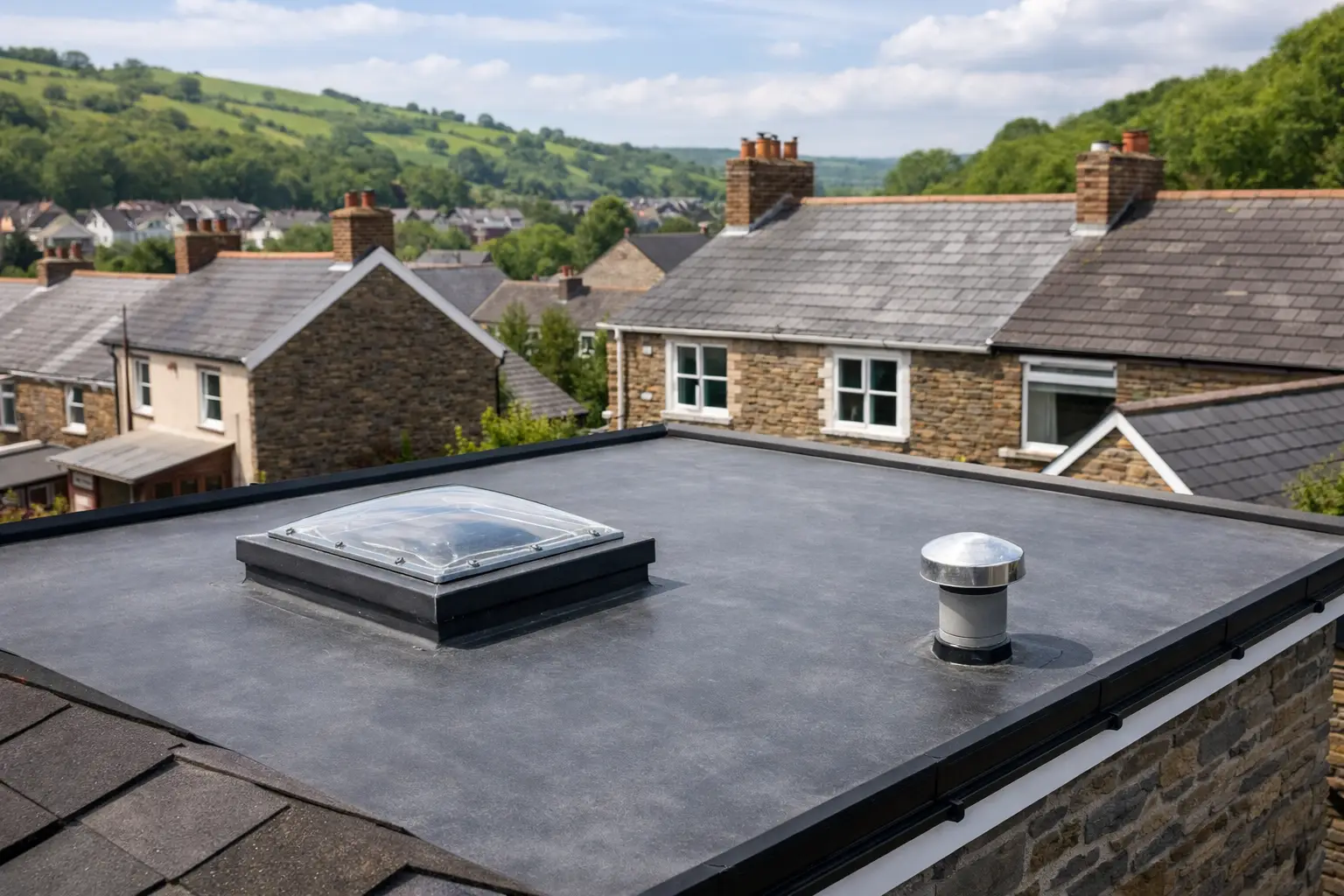
The details deserve close attention. Roof edges must prevent wind lift and direct water into the gutter. Upstands against walls need sufficient height and proper waterproofing. Pipe penetrations, rooflights and soil stacks must be sealed using compatible components rather than improvised mastic alone.
A tidy site also matters. Roofing work creates old felt, timber offcuts and packaging, particularly on replacement projects. A professional team should protect the area below, keep access routes as clear as possible and remove waste at the end of the job. It is a practical sign that the work is being managed properly.
Questions to ask before accepting a quote
Price matters, but the cheapest figure can be misleading if it leaves out insulation, timber repairs, drainage alterations or waste removal. Ask what system is being proposed, how the roof fall will be achieved and whether the existing deck will be inspected once the old covering is lifted.
You should also ask how the roof edges, abutments and outlets will be finished, what happens if hidden damage is found, and what workmanship guarantee applies. A straightforward contractor will explain these points in plain English and set out any assumptions clearly before work starts.
If you are comparing quotes, make sure they cover the same scope. One price may be for an overlay while another includes a full strip-back and renewed deck. They are not directly comparable, even if both are described as a “new flat roof”.
Aftercare and early warning signs
A well-installed flat roof needs little day-to-day attention, but it should not be ignored. Check gutters and outlets regularly, especially after autumn leaf fall or heavy storms. Keep moss, loose debris and overhanging branches from holding moisture on the roof surface.
If you notice standing water that remains for several days, lifted edge trims, cracks, visible splits, damp patches on the ceiling or staining around an adjoining wall, arrange an inspection promptly. Small faults are generally easier and less costly to correct before water reaches the structure or insulation.
For planned work, the best starting point is a proper survey rather than a guess based on photographs alone. A roof that is designed for the building, installed with care and finished neatly at the details will give you the weather protection you expect when the rain sets in.
Other Articles