Blog
Flat Roof South Wales Solutions That Last
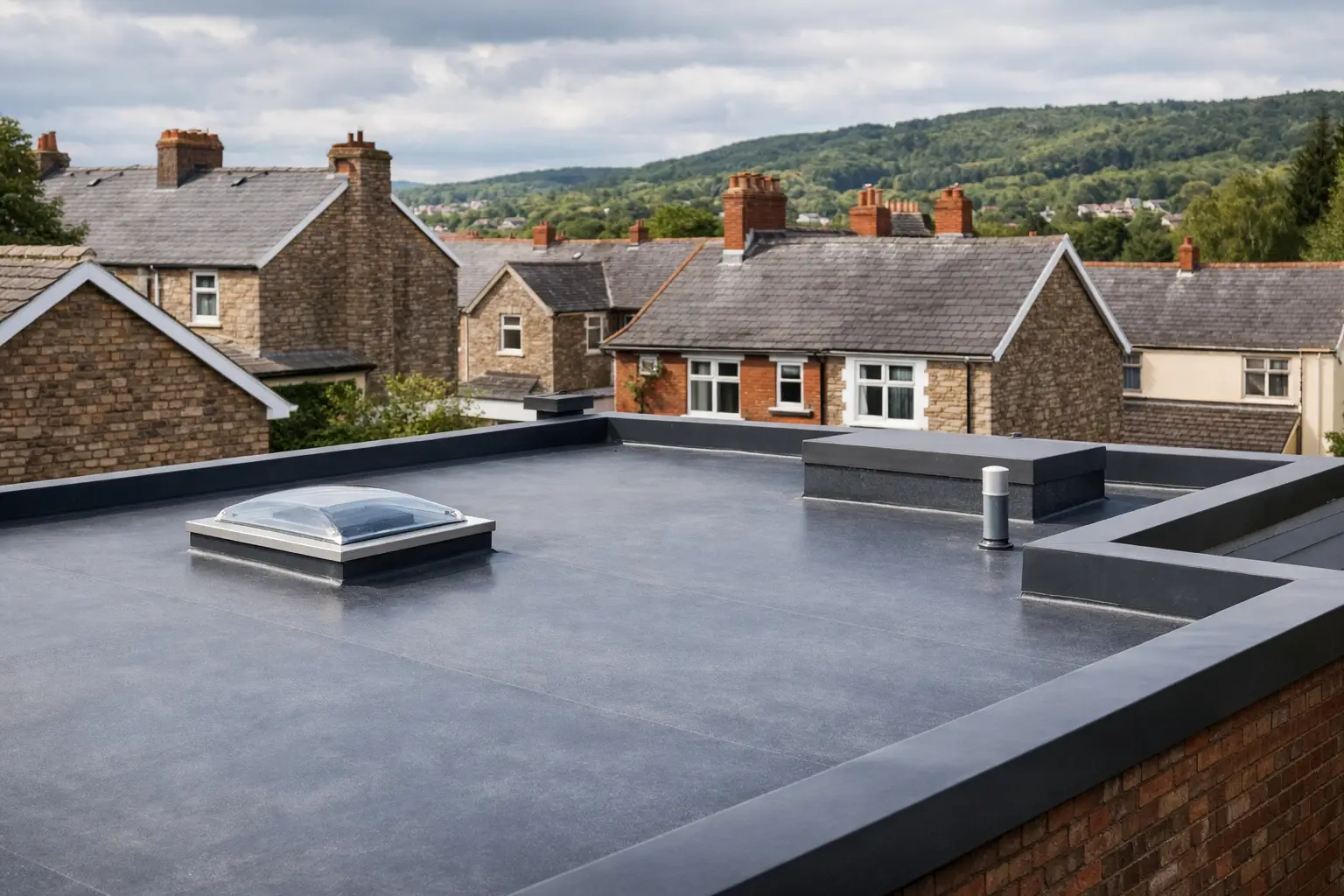
A flat roof has to cope with more than ordinary rainfall in South Wales. Driving rain, strong winds, damp conditions and sudden temperature changes all test the surface, edges and drainage. Whether you are planning an extension, replacing a tired garage roof or dealing with a recurring leak, choosing the right flat roof in South Wales is about getting the details right from the start.
The best result is not simply the material with the longest-sounding guarantee. It is a roof designed for the building, installed on a sound base and finished carefully around outlets, walls, skylights and edges. That is what keeps water where it belongs - outside.
Choosing a Flat Roof in South Wales
Flat roofs are not completely flat. They need a planned fall so rainwater can run towards a gutter, outlet or drainage point rather than sitting on the surface. Standing water does not always cause an immediate failure, but over time it can expose weaknesses in joints, flashings and old coverings.
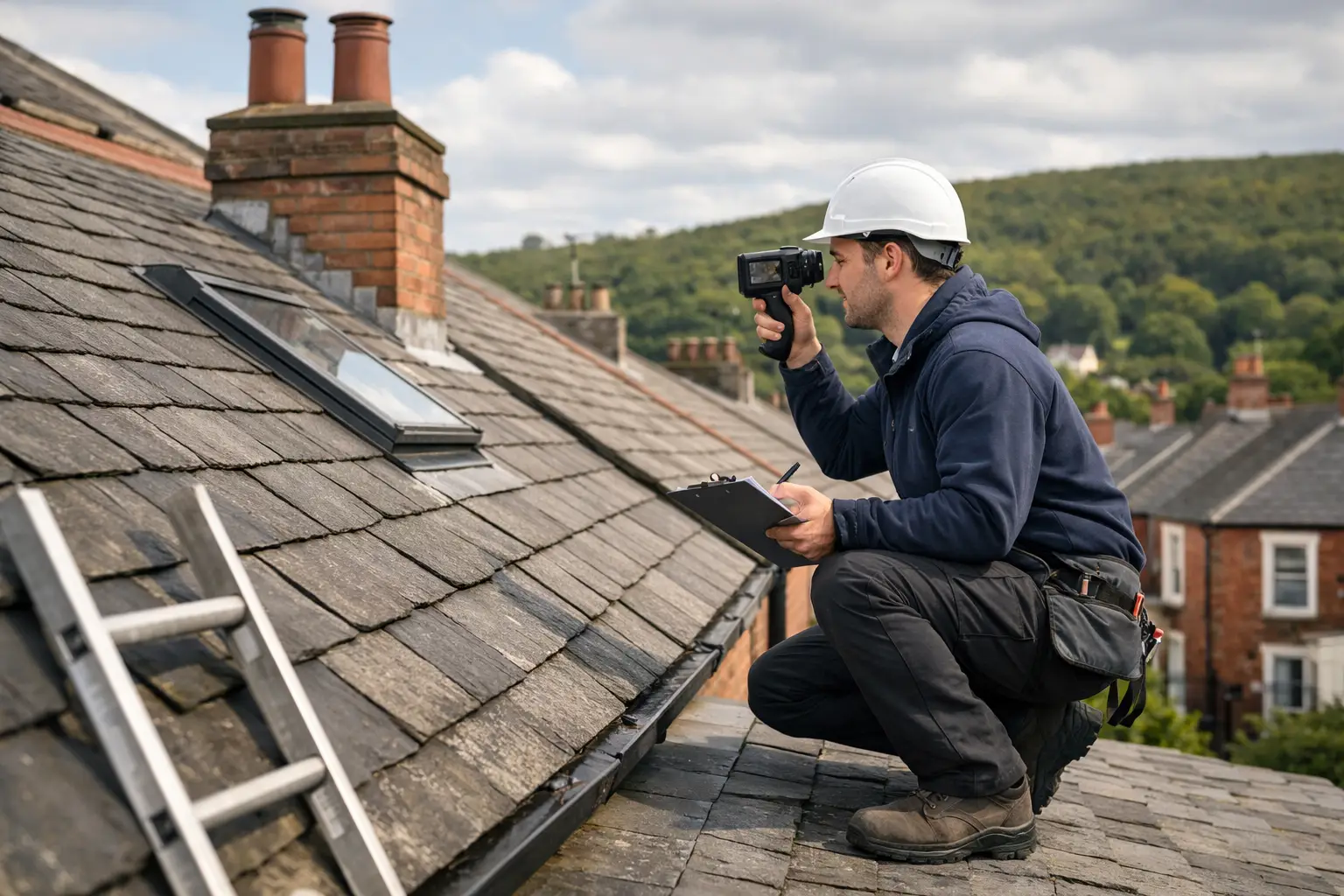
A proper survey should establish the roof's condition before anyone recommends a system. On an existing roof, this means checking whether the deck beneath is firm and dry, whether insulation is adequate, where water is draining, and whether the surrounding details are sound. Covering over a failing roof may look cheaper on paper, but it can trap damp or leave the original problem in place.
For a new extension or garage, the survey is the chance to plan the roof properly. Drainage, insulation height, adjoining walls, rooflights and access all affect the finished work. A straightforward explanation and an itemised quotation give you a clear view of what is being installed and why.
GRP fibreglass roofing
GRP, often called fibreglass roofing, creates a tough, joint-free finish. It is a popular option for smaller residential roofs such as garages, porches, dormers and extensions. The surface is formed on site and can provide a clean, smart appearance when installed over a suitable deck.
Its main advantage is the continuous finish. With no seams across the main roof area, there are fewer places for water to find a route through. It is also hard-wearing and low maintenance. However, preparation matters greatly. A poorly prepared deck or poorly finished edge can affect the life of an otherwise good GRP roof, so it is not a job to rush.
EPDM rubber roofing
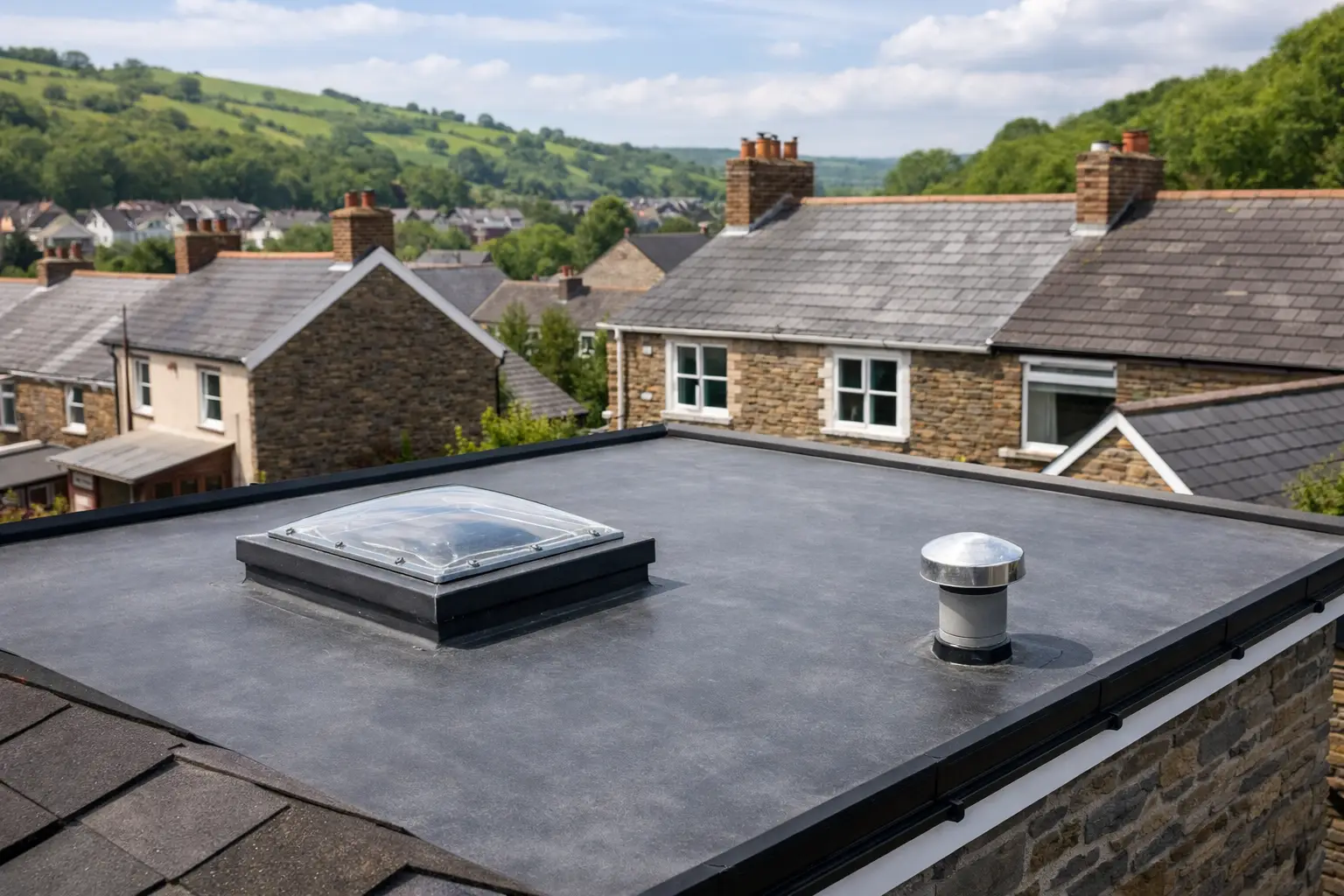
EPDM is a flexible rubber membrane commonly used on flat roofs of varying sizes. It is particularly useful where a large, continuous sheet can reduce the number of joints. The material handles changing temperatures well and is a practical choice for many home extensions and garage roofs.
The membrane still needs careful work at perimeter edges, outlets and upstands. These areas are often where leaks develop if corners are cut. EPDM can be an excellent long-term option, but the right choice depends on the roof shape, drainage arrangement and condition of the structure underneath.
Felt roofing systems
Modern felt systems are a world away from the thin, short-life coverings many homeowners remember. High-quality torch-on felt systems use layered membranes to produce a durable weatherproof finish and can be well suited to certain domestic roofs.
Felt is often a sensible option where the roof layout has more details to work around, although every project is different. The key is using an appropriate system, applying it safely and ensuring the roof has proper falls. The lowest quote is not always the best value if it leaves out preparation, insulation, edge trims or essential leadwork.
The Details That Make a Roof Weatherproof
Most flat-roof problems begin at a detail rather than in the middle of the roof. Water will always test the weakest point, particularly during prolonged rainfall and windy weather. That is why a professional installation pays close attention to the parts that are easy to overlook from ground level.
Upstands around walls and rooflights must be taken high enough and sealed correctly. Drip edges and fascias need to direct water cleanly into the gutter. Outlets must be positioned and sized to cope with the roof area, while the roof surface needs a clear path for water to reach them. If a roof joins an older wall, chimney or pitched roof, flashing work is equally important.
Insulation also deserves attention. A flat roof over a heated room should be designed to help retain warmth and manage moisture correctly. This is particularly relevant for extensions, conversions and rooms built above garages. A contractor should explain the proposed build-up in plain English, including whether the existing deck can be retained or needs replacement.
When Repair Is Enough and When Replacement Makes More Sense
Not every leak means a new flat roof is required. A local split, failed flashing, loose edge trim or blocked outlet may be repairable if the rest of the roof remains in good condition. Prompt repairs can prevent water reaching the deck, insulation and rooms below.
Replacement becomes the more practical option when there are repeated leaks, widespread blistering or cracking, soft areas underfoot, extensive ponding, or evidence that water has affected the structure. If several repairs have already been carried out over the years, spending more on patching can become false economy.
A clear survey matters here. You should be told what has failed, how far the issue appears to extend and what the realistic options are. There is no benefit in recommending a full replacement where a sound repair will do, but neither should a contractor apply a cosmetic patch to a roof that is already failing underneath.
Warning Signs You Should Not Ignore
A water stain on the ceiling is often the final sign of a problem, not the first. By the time it appears indoors, moisture may already have travelled beneath the roof covering. Checking your flat roof after severe weather and arranging an inspection early can limit the damage.
Look out for these common signs:
- water pooling for long periods after rainfall;
- bubbling, cracking or lifting on the roof surface;
- damaged flashings, loose trims or open seams;
- moss growth around outlets and gutters;
- internal damp patches, peeling paint or a musty smell;
- a roof deck that feels soft, uneven or springy.
Do not climb onto a roof if it is wet, damaged or difficult to access. It is safer to arrange a professional inspection, especially after storm damage or where the roof is above a conservatory, garage or extension.
What to Expect From a Professional Installation
Reliable flat roofing work starts before materials arrive. The contractor should assess access, protect nearby areas where needed and explain the likely schedule. If stripping the existing roof is necessary, the underlying deck can be inspected rather than guessed at. Any rotten timber or hidden damage should be discussed clearly before it is covered again.
During installation, a tidy site matters. Roofing work can create noise and disruption, but organised teams keep it to a minimum by managing waste, protecting the property and leaving the area clear at the end of the job. Punctual attendance and good communication are not extras - they are part of completing the work properly.
Once the roof is finished, ask how to look after it. Most modern flat roofs need little routine maintenance, but gutters and outlets should be kept clear, particularly in autumn. Avoid storing heavy items on the surface unless it has been designed for that use, and deal with accidental damage promptly.
For homeowners who want straightforward advice, Roof Renovations Ltd provides free roof surveys and clear, itemised quotes for flat roofing projects across South Wales. The aim should always be a practical recommendation that suits the property, the condition of the existing roof and the budget available.
A well-built flat roof should give you confidence when the weather turns, not leave you watching the ceiling during heavy rain. Arrange a survey while the issue is still manageable, and make sure the proposed work deals with drainage, structure and finishing details as well as the visible roof covering.
Other Articles