Blog
Which Roofing Materials Suit South Wales Homes Best?
The right roof covering depends on the building beneath it
Choosing a roof material is not simply a matter of comparing colours or selecting the finish seen on a nearby house. The covering has to work with the roof's pitch, structure, proportions, detailing and surroundings. A material that suits a traditional property in Bridgend may not be the right specification for a modern extension in Cardiff or a rural home around the Rhondda.
When we plan a Roof Installation, we look at how those factors work together rather than treating the slate or tile as an isolated product choice.
Start with the existing roof structure
Every roof covering places a load on the rafters and supporting walls. During a full replacement, the roof structure can also reveal issues that were hidden beneath the old covering, such as damaged timber, inadequate support or alterations made during previous work.
That matters when comparing natural slate with clay or concrete tiles. The choice must be compatible with the condition and capacity of the roof, not just the appearance you want. If the structure needs repair or strengthening, that should be understood before the final material is confirmed. Installing a heavier covering over unsound or unsuitable timber creates a structural problem beneath a new weatherproof finish.
A proper survey also considers the supporting battens, the underlay (the layer beneath the roof covering), fixings and edge details as one system. The covering is only one part of the roof's performance.
How property type changes the recommendation
Period and character properties
Natural slate is often considered where the roof's appearance is an important part of the building's character. Its proportions and texture can sit naturally on older houses and traditional properties, particularly where the existing roof already uses slate.
However, matching the visual character is not the only consideration. The available slate, fixing method, roof pitch and detailing around the roof edges, sloping corners, drainage channels and places where the roof meets another wall all affect the finished result. On a period property, replacing the covering without considering these details can leave the roof looking inconsistent even when the main surface appears sound.
If the building has architectural restrictions or sits within a designated area, you should establish whether additional consent or material requirements apply before work begins. We can identify specification questions during the survey, but the relevant authority determines any formal planning requirements.
New builds and tiled terraces
Clay and concrete interlocking tiles can suit new-build homes and tiled terraces where the roof has been designed around that covering. Their shape, size and fixing requirements influence the layout of the supporting roof battens (the strips that hold the tiles), the roof appearance and the way water is directed down the slope.
The existing or proposed roof pitch is particularly important. A tile system is not chosen independently of the angle of the roof. The pitch, tile profile and exposure of the site all affect how the covering sheds water and how the roof needs to be detailed at its edges and junctions.
Redland and Marley are among the manufacturers associated with materials we work with. That does not mean one brand is automatically right for every property. The specification still needs to match the roof design, the required finish and the manufacturer's installation requirements.
South Wales location affects the details
A roof in South Wales has to be specified for its particular setting. A property in coastal Cardiff may face different exposure and salt-laden air considerations from a sheltered street in Bridgend. A rural or elevated property near Merthyr may have different demands again.
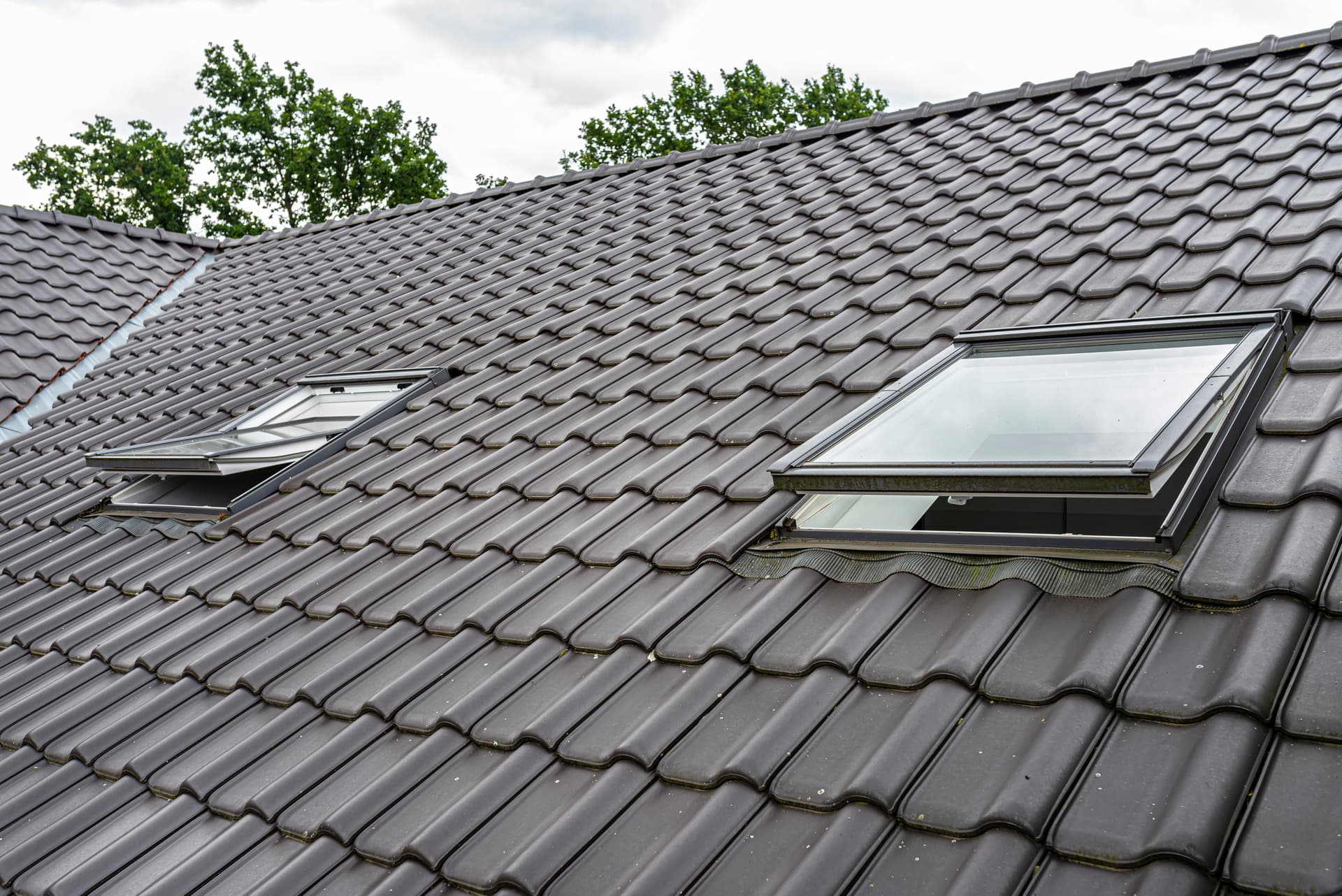
Those conditions influence more than the visible covering. They affect how the covering is secured, the detailing at the roof edges and top, the protective strips around joints, ventilation and the way the roof is finished around chimneys, raised roof windows and adjoining walls. A material can be suitable in principle but still perform poorly if the supporting details are weak or incomplete.
This is why we do not reduce the recommendation to a single list of supposedly best materials for every South Wales home. The roof's location and geometry determine how the system should be installed.
Moisture management matters as much as the covering
A new roof needs a controlled route for moisture to escape. Breathable underlays (layers beneath the roof covering), ventilation and correctly formed lower and upper roof edges help manage condensation and moisture within the roof structure. These components must be compatible with the selected slate or tile and installed continuously around roof windows, drainage channels and places where the roof meets another wall.
A roof can have a high-quality covering and still suffer internal moisture problems if ventilation is blocked, laps are wrong or junctions are poorly formed. We pay close attention to these concealed elements because they are difficult to assess once the roof has been finished.
What to ask before choosing a material
Before accepting a specification, ask:
- Is the existing roof structure suitable for the proposed covering?
- Does the material suit the roof pitch and the property's location?
- How will the new covering match neighbouring or original details?
- What underlay, ventilation and fixing system will be used?
- How will valleys, verges, hips, chimneys and roof windows be finished?
- Are any planning or Building Regulations requirements relevant to the work?
These questions move the decision beyond colour and product name. They also make it easier to compare quotations on the actual roof system rather than on the visible material alone.
At Roof Renovations Ltd, we install pitched roofs across Bridgend, Cardiff and South Wales, including properties in Rhondda, Neath, Merthyr and Newport. If you are considering a new roof or full replacement, contact us to arrange a site assessment and discuss a specification suited to your property.
Other Articles