Blog
How to Match Fascias, Cladding and Gutters on Your Home
Matching your roofline is about more than colour
A fascia can appear to match in a sample and still look wrong once it is fitted beside older gutters, brickwork or cladding. The difference usually comes from profile, surface finish, proportion and the way existing materials have changed over time.
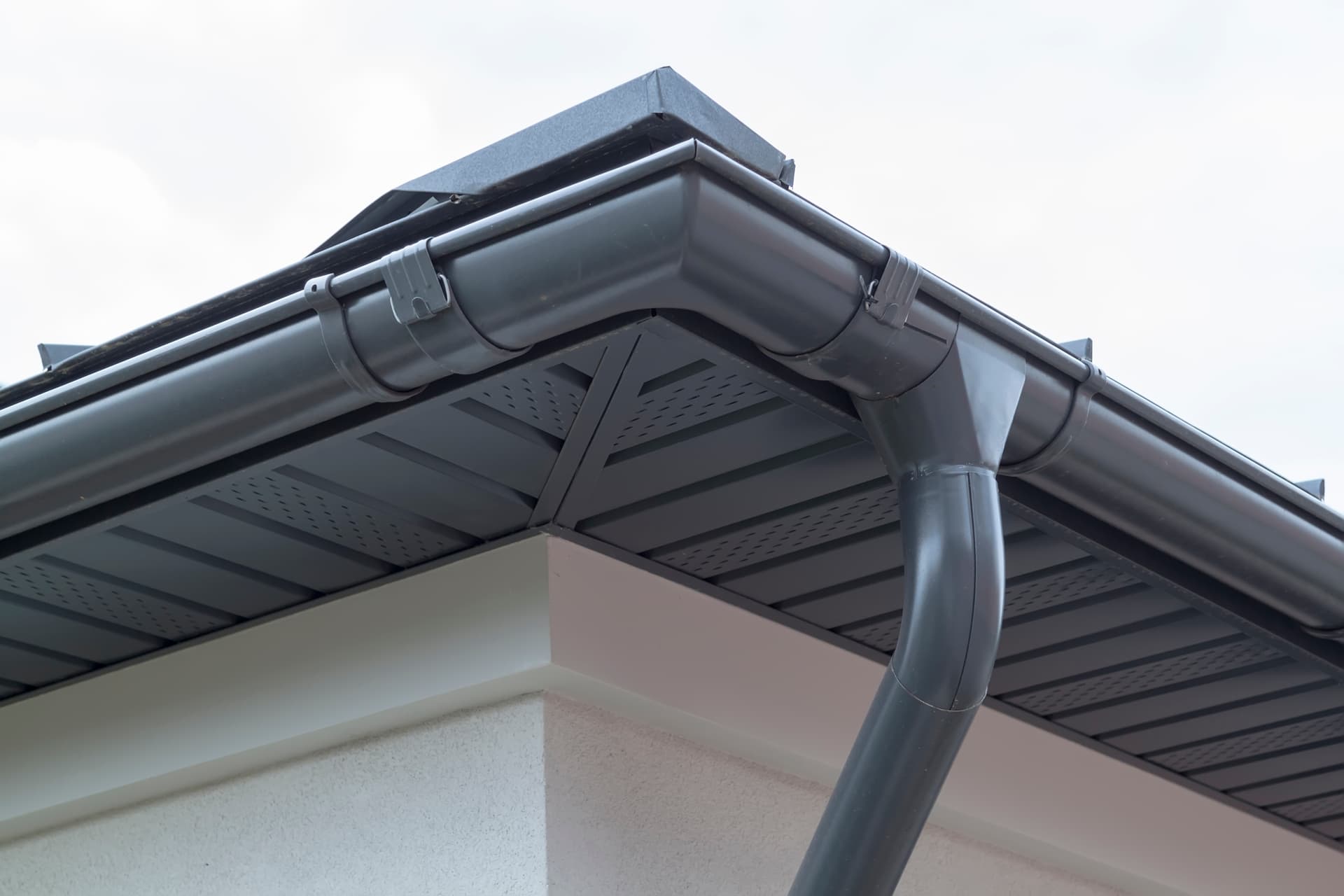
When we assess a roofline, we look at the complete edge of the building rather than treating the fascia as an isolated board. That means considering the fascia boards, the panels underneath them, the gutters, downpipes, roof-edge details, decorative boards and any external cladding together. The aim is a roofline that looks intentional from the pavement and works properly at the eaves.
For a general overview of the service, visit our Fascias and Cladding page.
Start with the existing roofline
Before choosing a finish, identify what is already on the property. A white fascia beside a bright white gutter may look consistent when both are new, but an older gutter can become duller or slightly discoloured. A new replacement part in the nearest available shade may then stand out more than expected.
The same issue applies to cladding. A rendered semi in Bridgend has different visual requirements from a stone faced terrace in Cardiff or a detached property in the wider South Wales area. The surrounding wall finish, window frames and roof covering all affect how prominent the roofline appears.
We also check whether the existing components have a particular shape. A straight-edged fascia, a rounded gutter and a traditional decorative board create a different appearance from a plain fascia with modern semicircular gutters. Matching the colour while ignoring the shape can leave the finished work looking pieced together.
Check these details before deciding
- The current colour of the fascia, soffit and gutter
- Whether the surface is matt, satin or noticeably glossy
- The profile and depth of the existing boards
- The shape and size of the guttering
- The colour of downpipes, window frames and external doors
- The relationship between the roofline and brick, stone, render or painted timber
- Whether the property has traditional details that should be retained
A small sample viewed outside the home is more useful than relying on a screen image or indoor lighting. If you are unsure, keep a clean piece of the existing material available for comparison during a survey.
When an exact match is not the best match
There are situations where replacing one section with a near identical colour produces an untidy result because the surrounding materials have aged at different rates. In that case, matching the new fascia to the gutter may be more effective than matching it to a faded section of old cladding. Alternatively, replacing connected roofline elements together can create a more consistent finish than carrying out isolated repairs across several elevations.
This is a decision rather than a rule. The right approach depends on how visible the affected area is, whether the adjoining components are sound, and whether the existing colour is consistent around the property. A small rear elevation may tolerate a practical blend, while the front of a period terrace usually demands closer attention to proportion and detail.
We do not recommend choosing a colour from a catalogue alone. Samples need to be considered against the actual building, including the brick or render, roof covering and joinery. The most suitable result may be a close blend, a deliberate contrast or a coordinated replacement of adjoining elements.
Period homes and modern properties need different treatment
A traditional property in areas such as Rhondda or Neath may have deeper fascia boards, decorative roof-edge boards or timber details that contribute to its character. Replacing these with a very plain profile can make the roofline look visually thin, even when the colour is correct. The decision should consider the original proportions and how the lower roof edge looks from street level.
Modern homes and extensions often suit simpler lines and a tighter relationship between cladding, fascia, windows and gutters. Aluminium or composite elements may create a sharper appearance, while a restrained colour can help the roofline sit back against the wall finish. The material choice still needs to suit the fixing requirements and the condition of the underlying roof edge.
What we assess before recommending a finish
At Roof Renovations Ltd, we examine the roofline from ground level and closer inspection points where safe access allows. We check for uneven lines, open joints, damaged timber behind the fascia, gutters that are out of line and signs that water has been reaching the roof edge. A colour match is not useful if the supporting detail is damaged or the gutter falls are incorrect.
We then compare the proposed finish with the existing elements that will remain. If the match is straightforward, the work details can focus on consistency. If it is not, we explain the visual and practical choices clearly, including whether a wider replacement would give a cleaner result.
You should receive advice based on your property, not a generic colour recommendation. Ask to see samples, confirm which components are being replaced and check how new work will meet the existing gutters, roof edges and cladding. Those details often determine whether the finished roofline looks properly integrated.
Get a roofline finish that looks planned
If your home in Bridgend, Cardiff or elsewhere in South Wales needs new fascias, soffits or cladding, we can assess the existing roofline and talk through the matching options with you. Contact Roof Renovations Ltd to arrange a survey and request a quote based on the materials, access and extent of work involved.
Other Articles