Blog
Do We Replace Insulation and Vapour Control in a Flat Roof?
Why the layers beneath a flat roof matter
A flat roof can look sound from above while the layers underneath are already failing. The membrane is only one part of the roof system. Insulation, vapour control, the roof deck (the structural board beneath it) and the supporting structure all need to work together if the roof is to remain dry, thermally efficient and stable.
When we assess a flat roof in Bridgend, Cardiff or elsewhere across South Wales, we do not treat insulation and vapour control as items to add automatically or ignore automatically. We look at what is already there, how the roof is built and whether the existing layers can safely form part of the new installation.
That distinction matters because simply covering an old problem with a new membrane can leave condensation, damp insulation or a defective deck trapped below the surface.
What vapour control actually does
Warm air inside a property carries moisture. In a flat roof, that moisture can move upwards towards colder layers. If it reaches a surface cold enough for condensation to form, water can collect within the roof build-up rather than appearing as an obvious internal leak.
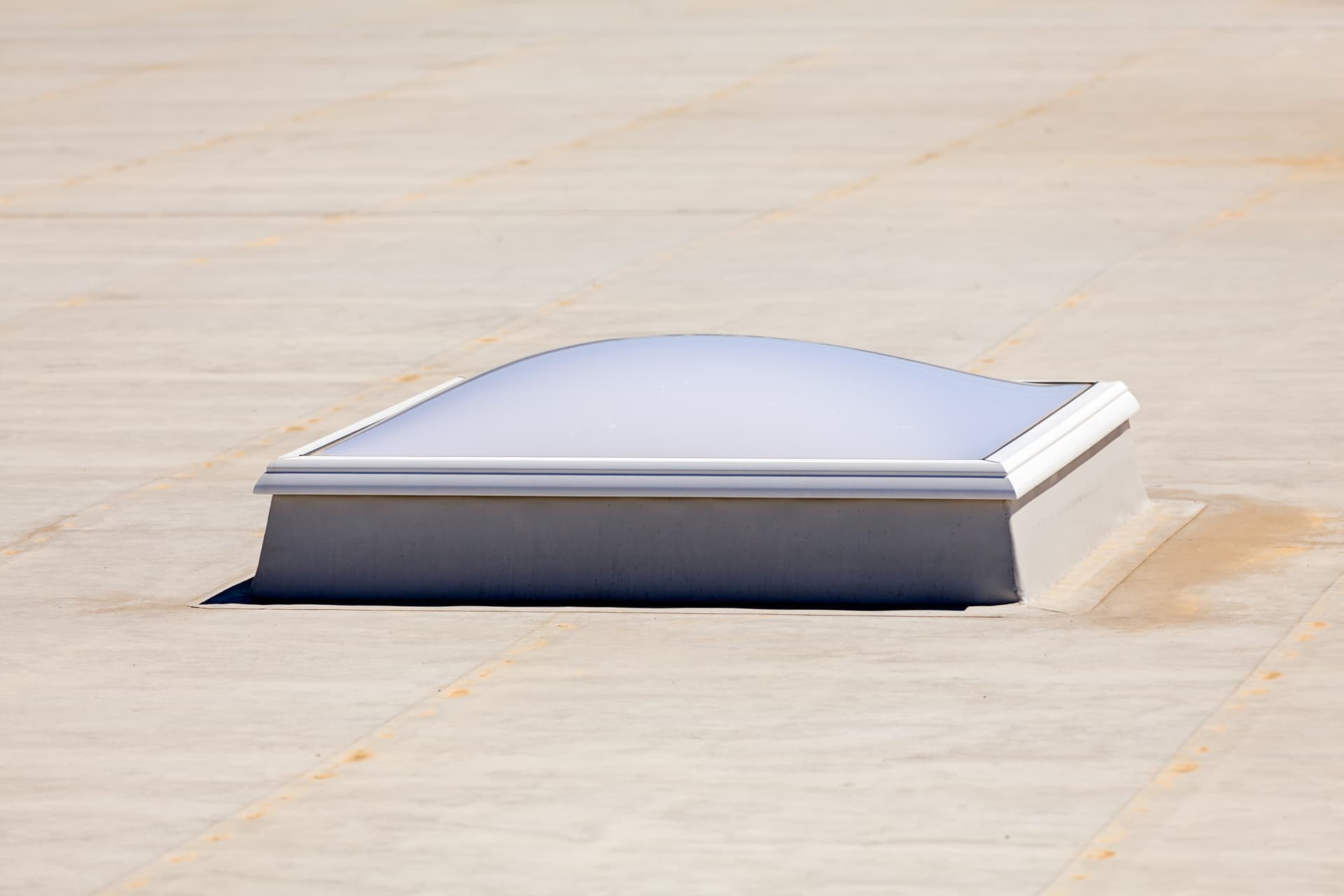
A vapour control layer helps limit that movement. Its position and continuity are important. Gaps around rooflights, pipes, joists, walls and places where pipes or cables pass through the roof can create weak points where moisture still travels into the structure. A layer that is present but poorly joined may offer far less protection than a correctly sealed installation.
This is why we inspect junctions rather than judging the roof solely by the visible membrane. The roof needs a continuous approach around its edges and any features passing through it. Where the existing vapour control layer is damaged, incomplete or unsuitable for the proposed construction, replacement becomes part of making the new roof work properly.
How we assess existing insulation
Old insulation is not automatically reusable. It may have become damp, compressed, contaminated or displaced. Once insulation has absorbed moisture, its thermal performance can reduce and the added weight may create further concerns within the roof structure.
We look for signs such as staining, soft areas, uneven surfaces and evidence of previous leaks. We also consider whether the existing thickness and arrangement are suitable for the roof design. A roof that was acceptable when first built may not provide the same performance after years of alterations, leaks or repairs.
The deck underneath is equally important. If it is swollen, weakened or affected by prolonged moisture, installing new layers over it can conceal a structural defect. We need a suitable, sound surface for the roof system, not simply a convenient surface to cover.
What happens during the installation
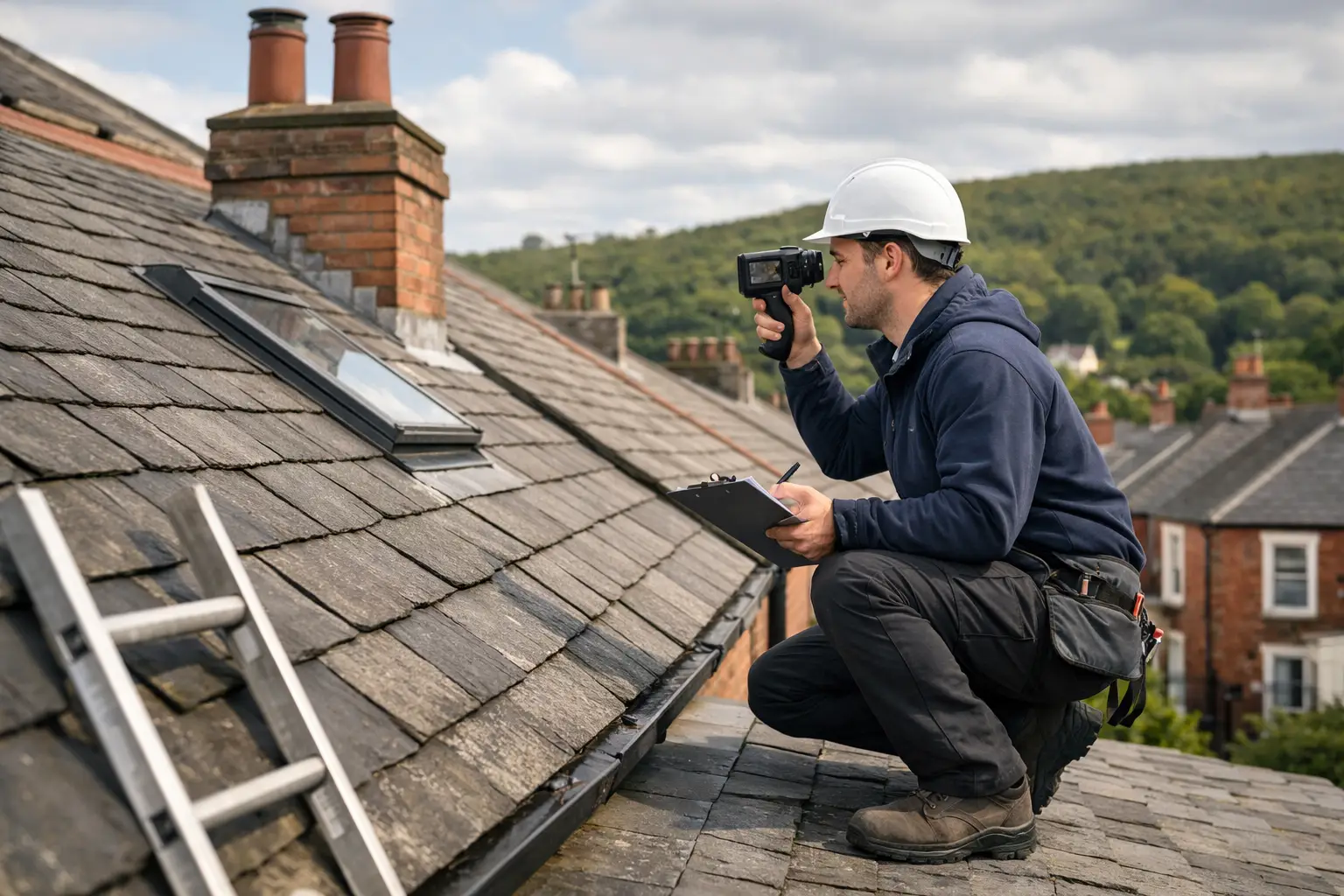
The work starts with opening up enough of the roof to understand its construction. We examine the membrane, deck, insulation, vapour control and the way the roof meets walls, fascias, outlets and adjoining pitched sections.
If the existing layers are suitable, they may be retained where doing so is technically sound. If they are not, we remove the affected materials and prepare the roof for a complete build-up. This can include replacing damaged deck sections, fitting appropriate insulation and creating a continuous vapour control layer before the new membrane is installed.
The order matters. Insulation needs to sit correctly without gaps or being squashed unnecessarily. Vapour control needs properly considered joints and penetrations. The deck must provide a stable base. The membrane and edge details then protect the entire build-up from external water.
We also pay close attention to height. Adding or replacing insulation can alter the finished roof level, which affects where the roof meets walls, door thresholds, fascias, outlets and guttering. A good installation accounts for these interfaces before materials are fixed in place. Otherwise, a roof can be watertight in the centre but vulnerable at its edges.
When replacement is especially important
Replacement or improvement is particularly important where you have found recurring internal damp, a musty smell, visible ceiling staining or a history of leaks. These signs do not prove that insulation or vapour control is the cause, but they justify investigating all the roof’s layers rather than applying another surface repair.
The same applies when converting a garage, extending a property or replacing a roof that has been altered over time. Different sections may have different construction methods, creating cold spots and complicated junctions. We assess the roof as a complete system so the new work is compatible with the property around it.
For a closer overview of our approach, read our Flat Roof Installation service page.
Get the roof build-up right before the membrane goes on
Insulation and vapour control are hidden once the roof is finished, so faults at this stage can be difficult and disruptive to correct later. At Roof Renovations Ltd, we inspect the existing construction, explain what needs to be retained or replaced and install the roof layers to suit the property’s actual condition.
If your garage, extension or house flat roof needs attention in Bridgend or across South Wales, contact us to arrange a site assessment and request a clear quotation based on the work required.
Other Articles