Blog
New Pitched Roof Installation Explained
A new pitched roof installation is not the sort of job you want to get wrong and fix later. If your roof is failing, a build is underway, or repeated repairs are starting to look like wasted money, the real question is not just what the roof will cost. It is whether the new roof will stand up properly to weather, last well, and be installed with as little disruption as possible.
For most homeowners, that means wanting clear answers before work starts. What is being replaced? Which materials make sense for the property? How long will the job take? And just as importantly, will the team turn up when they say they will, keep the site tidy, and explain the work without dressing it up in jargon?
When a new pitched roof installation makes sense
There are cases where repair is still the sensible option. A small isolated leak, a few slipped tiles after bad weather, or local damage around a chimney can often be dealt with without replacing the whole roof. A good contractor should say that plainly if it is true.
But there comes a point where ongoing patch repairs stop being good value. If the roof has widespread wear, the underlay has deteriorated, battens are failing, or there are repeated leaks in different areas, replacement usually becomes the more practical decision. The same applies where an older roof is being upgraded as part of a loft conversion, major renovation, or extension project.
A new roof also gives you the chance to put right problems that repairs cannot always solve properly. Poor ventilation, tired flashings, uneven tile lines, and rotten timber at the eaves are often only fully addressed when the roof is stripped back and rebuilt correctly.
What is included in the job
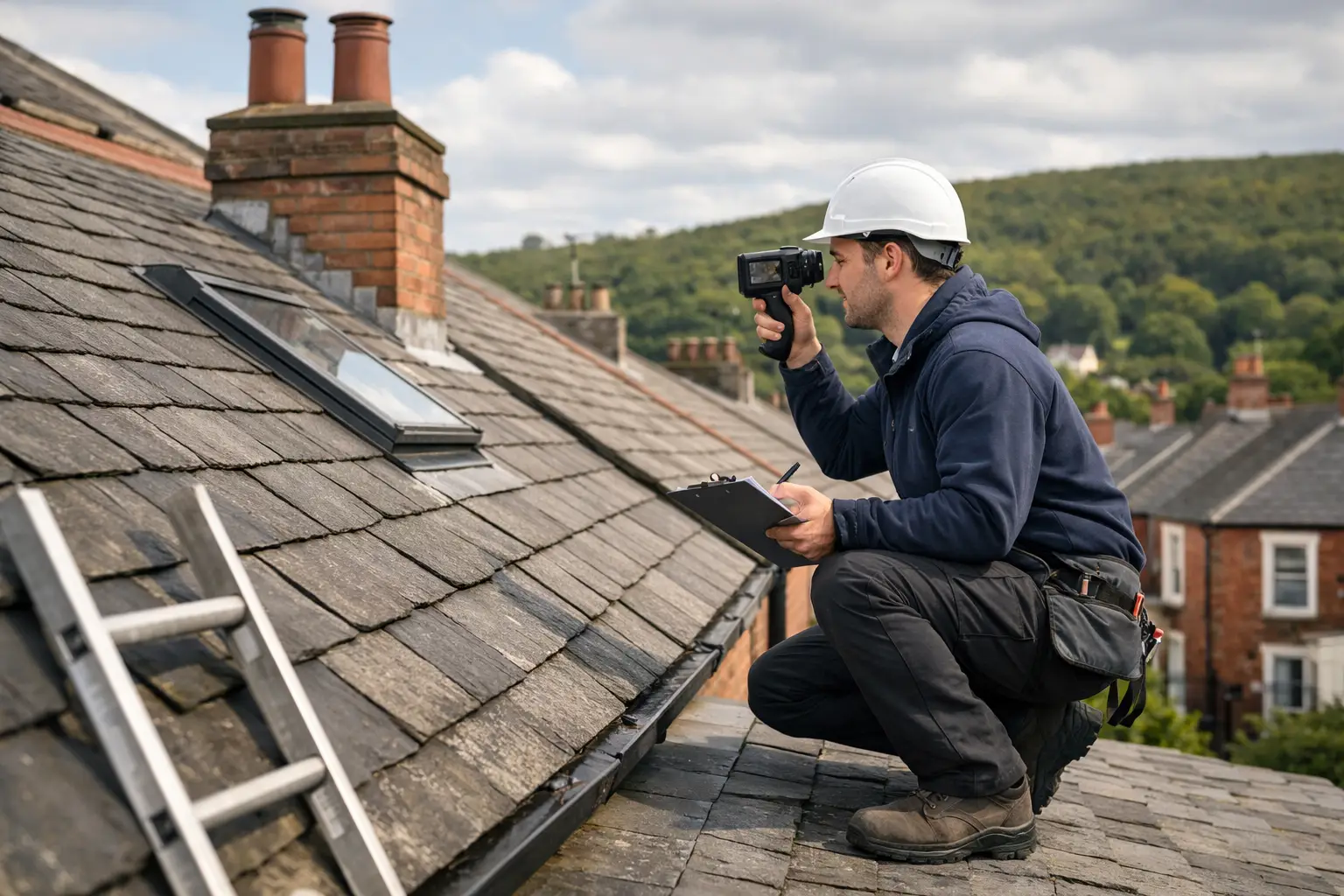
A proper new pitched roof installation is more than laying fresh tiles on top. In most cases, the roof is stripped back so the structure underneath can be checked. That allows damaged timbers, failing battens and worn membrane to be identified early instead of hidden under new materials.
From there, the build usually includes breathable felt or membrane, treated battens, the chosen roof covering, ridge and verge details, leadwork where needed, and the finishing elements around chimneys, abutments and roof windows. Fascias, soffits and guttering may also be part of the job if they are at the end of their service life or no longer suit the new roof line.
This is why like-for-like quote comparisons can be misleading. One price may only cover the visible outer finish, while another includes the full system needed for a durable result. The cheaper figure can quickly stop looking cheap if key parts have been left out.
Choosing the right roof covering
The best material depends on the property, the budget and the surrounding area. Concrete tiles are a common choice because they are reliable, widely available and often cost-effective for domestic roofs. Clay tiles have a more traditional appearance and can suit older homes particularly well, though they may come at a higher material cost.
Natural slate is often chosen where appearance matters as much as performance. It is durable and well suited to many homes across South Wales, but it does require proper handling and experienced fitting. Composite or man-made slate can offer a similar look at a different price point, although the finish and lifespan can vary between products.
There is no one-size-fits-all answer here. The right choice depends on roof pitch, exposure to wind and rain, planning considerations in some areas, and the look you want from the finished property. A straightforward site survey should help narrow the options quickly.
What affects the cost of a new pitched roof installation?
Size is only one part of the price. The roof shape makes a difference too. A simple dual-pitched roof is usually more straightforward than one with multiple hips, valleys, dormers or difficult access. Scaffolding, waste removal and the condition of the existing structure also influence the final figure.
Material choice matters, but so does what is found once the old covering comes off. If rafters need repair, insulation upgrades are required, or leadwork around chimneys is failing, the job may involve more than the original outer covering. That is not a reason to avoid the work. It is a reason to have the roof properly surveyed and quoted in clear, itemised terms from the start.
For homeowners and landlords, transparency matters as much as price. You should be able to see what is included, what could alter the cost, and what standards of workmanship are being promised. A vague estimate can cause far more trouble than a clear quote that sets realistic expectations.
Timescales and disruption
One of the first things customers want to know is how long they will be living with scaffold, noise and roofers overhead. The honest answer is that it depends on size, complexity and weather, but most domestic pitched roof replacements follow a clear sequence and can be planned sensibly.
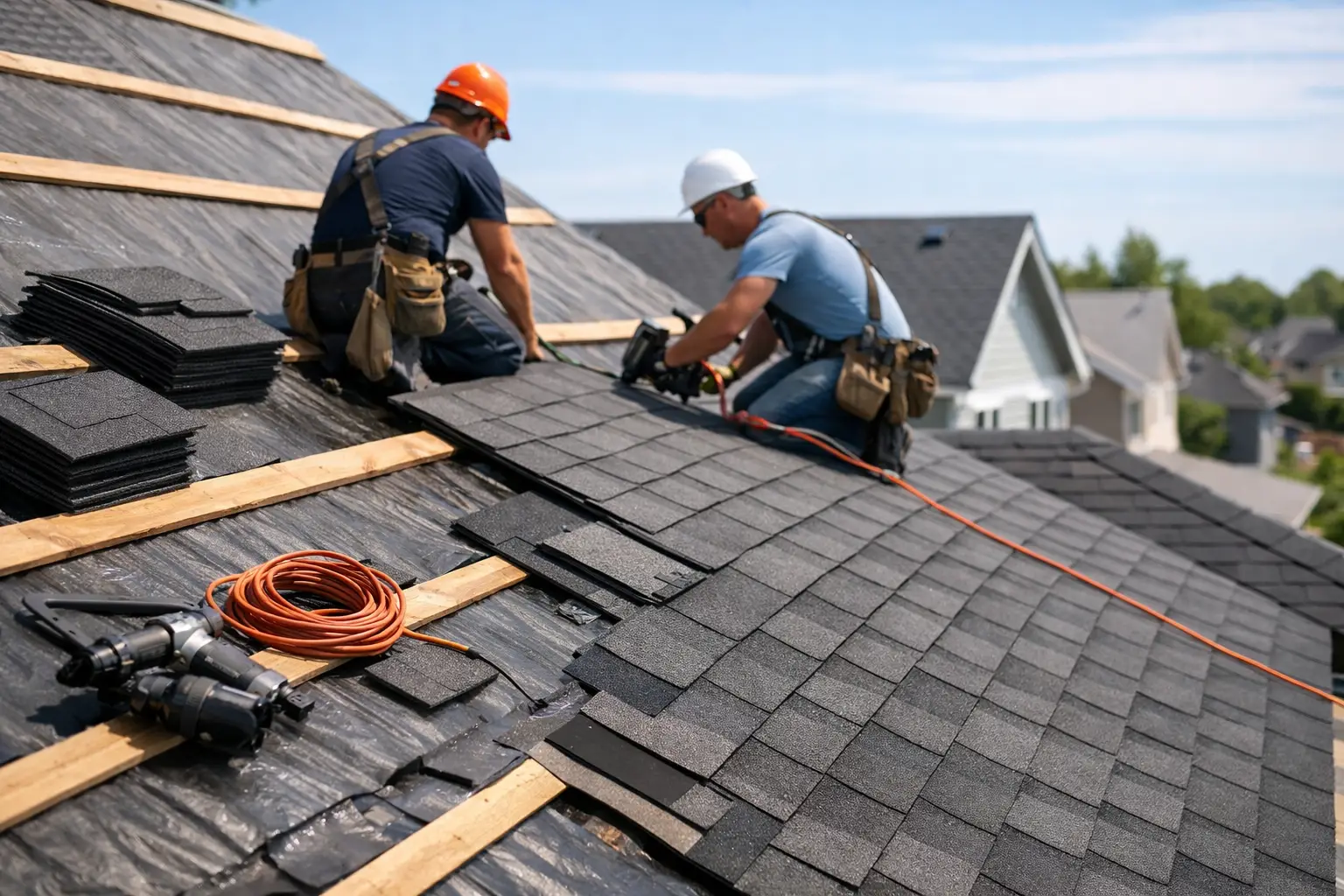
Preparation comes first, including scaffold and material delivery. The old roof is then stripped in sections, with the structure checked as the team goes. New membrane and battens are fitted before the final covering is laid, followed by ridges, verges, flashings and finishing details.
A reliable contractor will not promise an unrealistic finish date just to win the job. They should explain what happens if poor weather interrupts progress, how the property will be protected overnight, and when key stages are expected to be completed. Clear communication makes a big difference, especially when the work is taking place on a lived-in home.
Why workmanship matters more than sales talk
Good roofing should look neat when finished, but the real quality is in the details many customers never see. Correct fixing methods, straight batten lines, secure ridges, properly installed membrane, and careful leadwork all affect how the roof performs over time.
This is where experience counts. A roof in an exposed area has different demands from one in a more sheltered setting. In places across South Wales, driving rain and strong winds are not unusual, so the installation needs to be done with local conditions in mind, not just to create a tidy appearance on the day the scaffold comes down.
Just as important is the way the job is run. Punctual attendance, respectful behaviour, regular updates and a tidy site all matter to customers because they reduce stress. A new roof is a major job, but it should still feel organised and controlled rather than chaotic.
Questions worth asking before you agree to the work
Before you go ahead, ask what is included in the quote and whether waste removal, scaffold and finishing details are covered. Ask what happens if hidden structural issues are uncovered once the roof is stripped. Ask what materials are being used and why they suit your property.
It is also worth asking who will actually carry out the work, how the site will be protected during bad weather, and how long the project is expected to take in normal conditions. These are not difficult questions. A professional roofer should be comfortable answering them clearly.
If the replies feel vague, rushed or overly sales-led, that usually tells you something useful. Roofing work is built on trust long before the first tile goes on.
Getting the result right first time
A new pitched roof installation should leave you with more than a better-looking house. It should give you confidence that the property is protected, the materials are suitable, and the work has been carried out properly from the structure up.
That comes from good surveying, honest advice and careful installation - not guesswork, shortcuts or unclear pricing. For homeowners planning a replacement, and for landlords trying to avoid repeat call-outs, the best outcome is usually the same: a roof that is built to last, explained properly, and managed by a team that respects both the job and the property.
If you are at the stage where repairs no longer feel worthwhile, it helps to speak to a contractor who will assess the roof properly and tell you plainly what is needed. A straightforward conversation at the start often saves a great deal of money, time and uncertainty later.
Other Articles